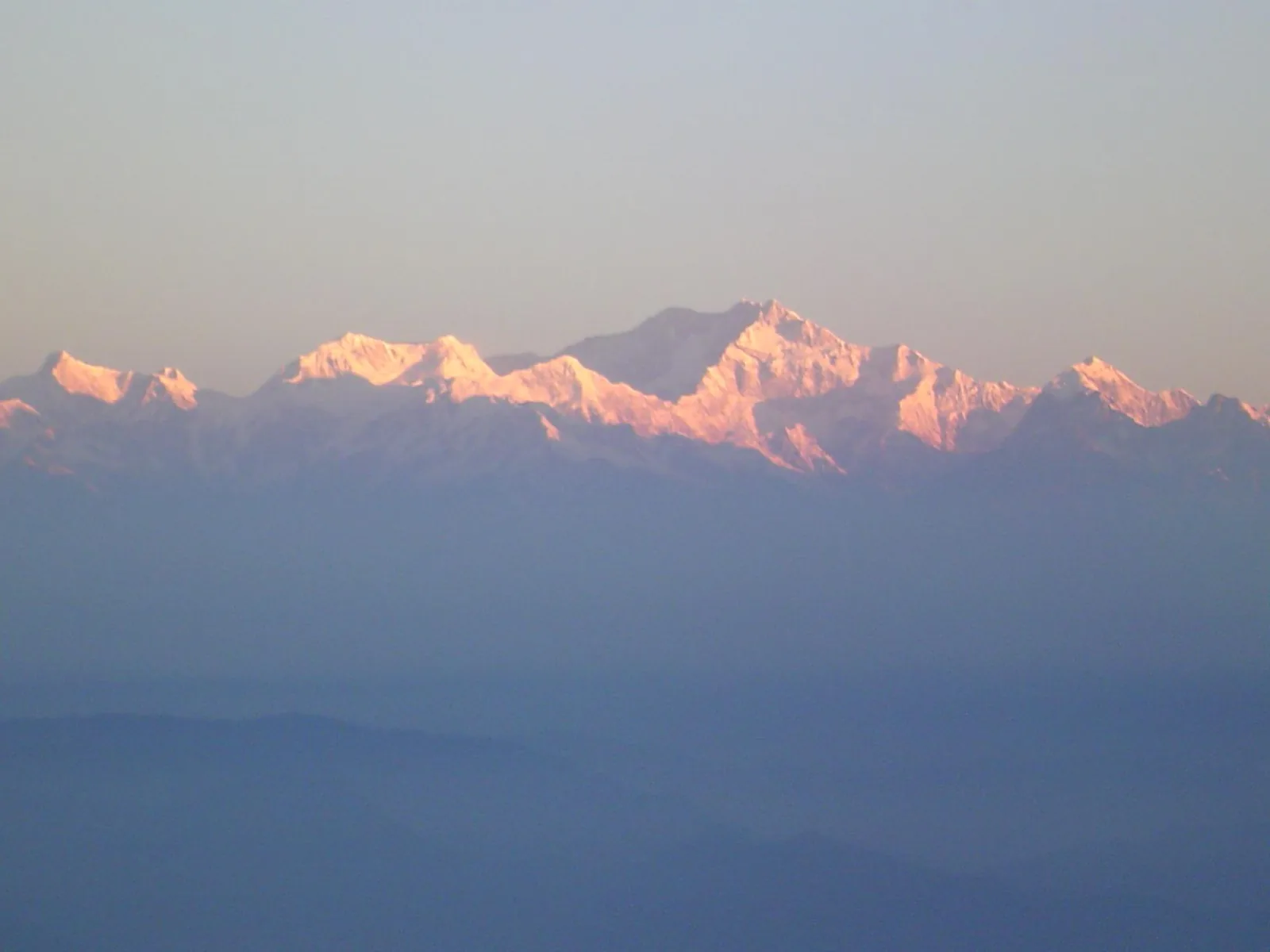
Ask anyone who has done Darjeeling and Gangtok back to back what stayed with them, and the answers are rarely the headline sights. They talk about a narrow-gauge train squeezing between shop fronts, a tea slope seen from a moving car, a monastery courtyard at chanting time, and the long winding roads that join all of it. This plan is built around those things, and around the two or three famous items that trip reports keep calling overrated, which get honest treatment instead of automatic inclusion.
You fly into Bagdogra and keep one car and driver the whole way. Darjeeling gets three nights, which is what lets you do the toy train, the zoo and mountaineering museum, and a tea estate without running. Gangtok gets three more, because the sights that make it worth the journey, Tsomgo Lake, the Baba Mandir road and Rumtek, are each a half-day or more by hill road. A common complaint in forum threads is that a week like this feels rushed when Kalimpong is added, so it stays out.
It suits couples, families with children old enough to tolerate winding roads, and parents who want hill air without a trek. Be ready for bends: the road from the plains is long, and anyone who gets carsick should say so before day one. Flights are not included, and the first day begins when you land.
From your pickup
Same trip, four starting points. Road times are real driving times; a long drive becomes its own travel day so nobody arrives wrecked.
Day by day
Day 1 · night in Darjeeling
Landing and the climb to Darjeeling
Bagdogra airport to Darjeeling, a long half day on narrow hill road
Your driver is waiting at arrivals and the road starts to rise almost as soon as the plains end. One blogger who made this same drive called the upper stretch narrow, with a few single-lane sections, and budgeted four to five hours; plan on the same and do not schedule anything for the evening beyond dinner. Another small tip from that writer: the airside at Bagdogra gets congested, so there is no prize for checking in absurdly early on the way home.
If your flight lands before noon you may make Darjeeling in the afternoon light, when the tea slopes turn from green to gold. Check in, put on a second layer, and walk the flat pedestrian stretch near the main square for the first hour. Momos at a market stall were reported at about fifty rupees a plate by that traveller, and they make a good first dinner.
Early to bed. Tomorrow has an early option, and you should decide tonight whether you want it.
- Darjeeling town
- Chowrasta
- Tea slopes

Day 2 · night in Darjeeling
A small steam engine and the loop
Sunrise at Tiger Hill is the item everyone asks about, so here is what travellers actually report. It lies about 13 km up from town, jeeps leave around four in the morning, and the road jams. One group of couples that tried it described walking the last stretch, one of them reaching the wrong hilltop, and cloud covering the view. A solo writer who went in the winter called it not worth the crowd and the cold. On a clear day the peaks do turn pink, so if you want it, let your driver know the evening prior, and treat it as a gamble. Many guests skip it and sleep.
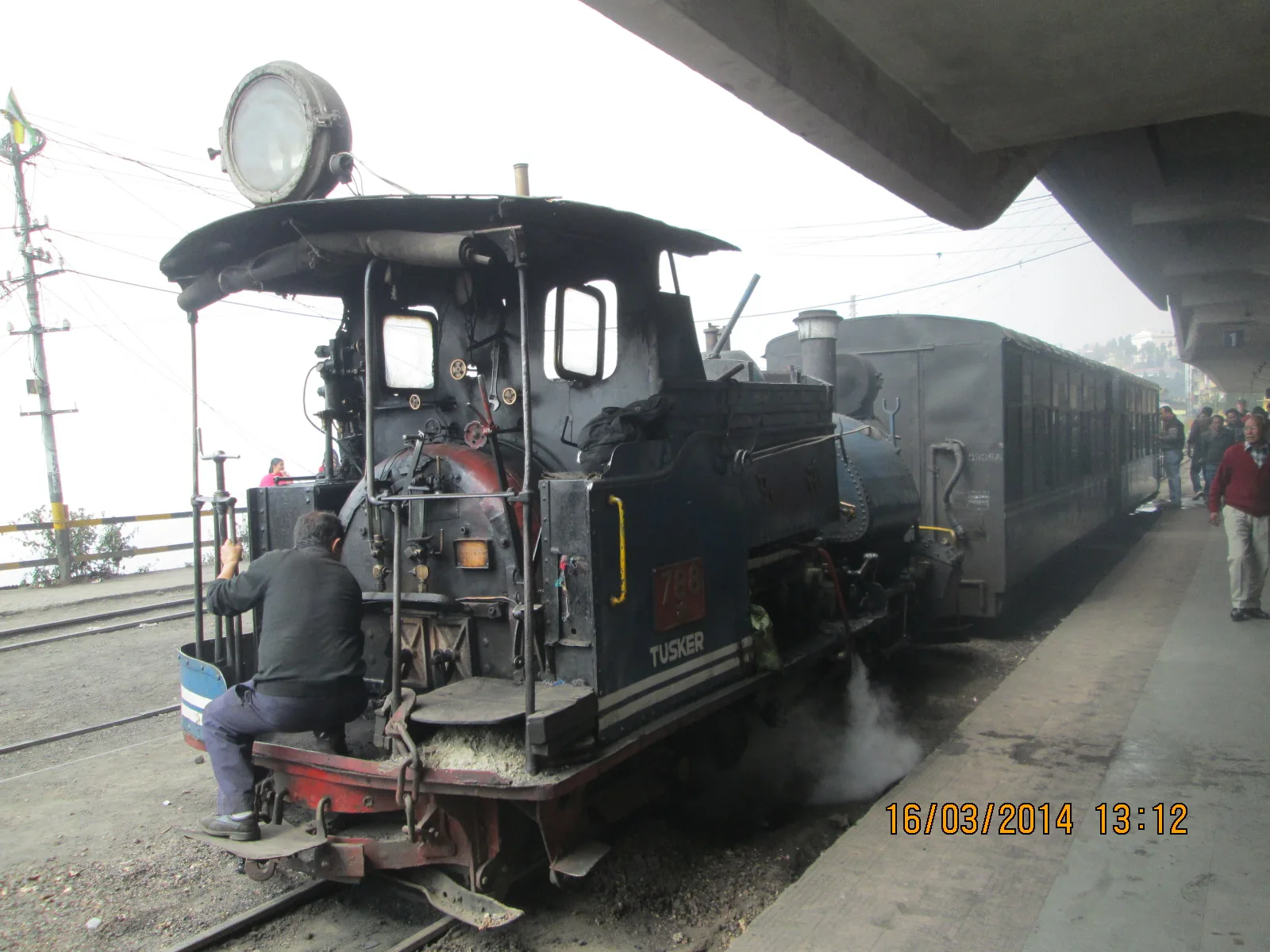
The better morning belongs to the narrow-gauge steam line. The short Joy Ride climbs to Ghum and returns, around two hours in all, and on the way down you step out at Batasia Loop while the train spirals around the hill. Riders mention how close the track runs to shopfronts and doorsteps, how locals pull produce back as it passes, and that the compartments are not comfortable but memorable. Wear dark clothes, because the soot is real. Tickets are best arranged through your hotel in advance.
In the afternoon walk to the Mountaineering Institute and its museum. One traveller called a three hour visit there the highlight of his Darjeeling days. The zoo next door has snow leopards and red pandas, though a visitor who found the cages small is worth keeping in mind. End the day at a tea estate and be ready to leave without buying a stack of packets.
- Toy train joy ride
- Batasia Loop
- Mountaineering Institute
- Padmaja Naidu zoo
- Tiger Hill (optional)
Day 3 · night in Darjeeling
A slow day among the tea rows
Nothing is scheduled before breakfast, and that is deliberate. After two days of motion and one early alarm, the third day in Darjeeling is for a long tea estate visit with a proper walk between the bushes, then a late lunch somewhere with a view. The Happy Valley estate dates from the 1850s, and one trip report gives it only half an hour before the group moved on, which is probably too little. Ask your guide to find a quieter garden if the main one is crowded.
Afternoon is for Observatory Hill, with its small Hindu and Buddhist shrines, and for the market lanes where people trade woollens, Tibetan trinkets and spice. The Peace Pagoda is the other low-effort stop and gives a calm view of town. The light changes around four, and that is when mountains tend to show if morning was cloudy.
Pack tonight. Tomorrow you cross into Sikkim, and the car leaves after an early breakfast.
- Tea estate
- Observatory Hill
- Peace Pagoda
- Darjeeling market
Day 4 · night in Gangtok
Down through the Teesta valley to Gangtok
Darjeeling to Gangtok, about 110 km, usually four hours or a little more
The road drops through forest and then runs along the Teesta, where the water changes colour with the season. You cross from West Bengal into Sikkim on the way, and your driver handles the permit paperwork at the checkpoint, so carry original photo ID for everyone in the car. One writer who did this route stopped at a park along the way and saw the meeting of two rivers, which is worth asking your driver about.
You reach Gangtok by mid afternoon in decent traffic. The town hangs on a ridge and feels busier and more modern than Darjeeling, with steep lanes and a lot of cars. The idea for tonight is easy: check in and walk to MG Marg, a car-free pedestrian street roughly half a kilometre long. Another found it calm at breakfast time, with people feeding pigeons, and lively in the evening. It is the best free hour of the trip.
Hand over your IDs to your host early, since the high-altitude permits for tomorrow need lead time.
- Teesta valley
- Sikkim border
- MG Marg

Day 5 · night in Gangtok
Up to the lake and the soldier's shrine
Gangtok to Tsomgo Lake and Baba Mandir, a long day of hill road
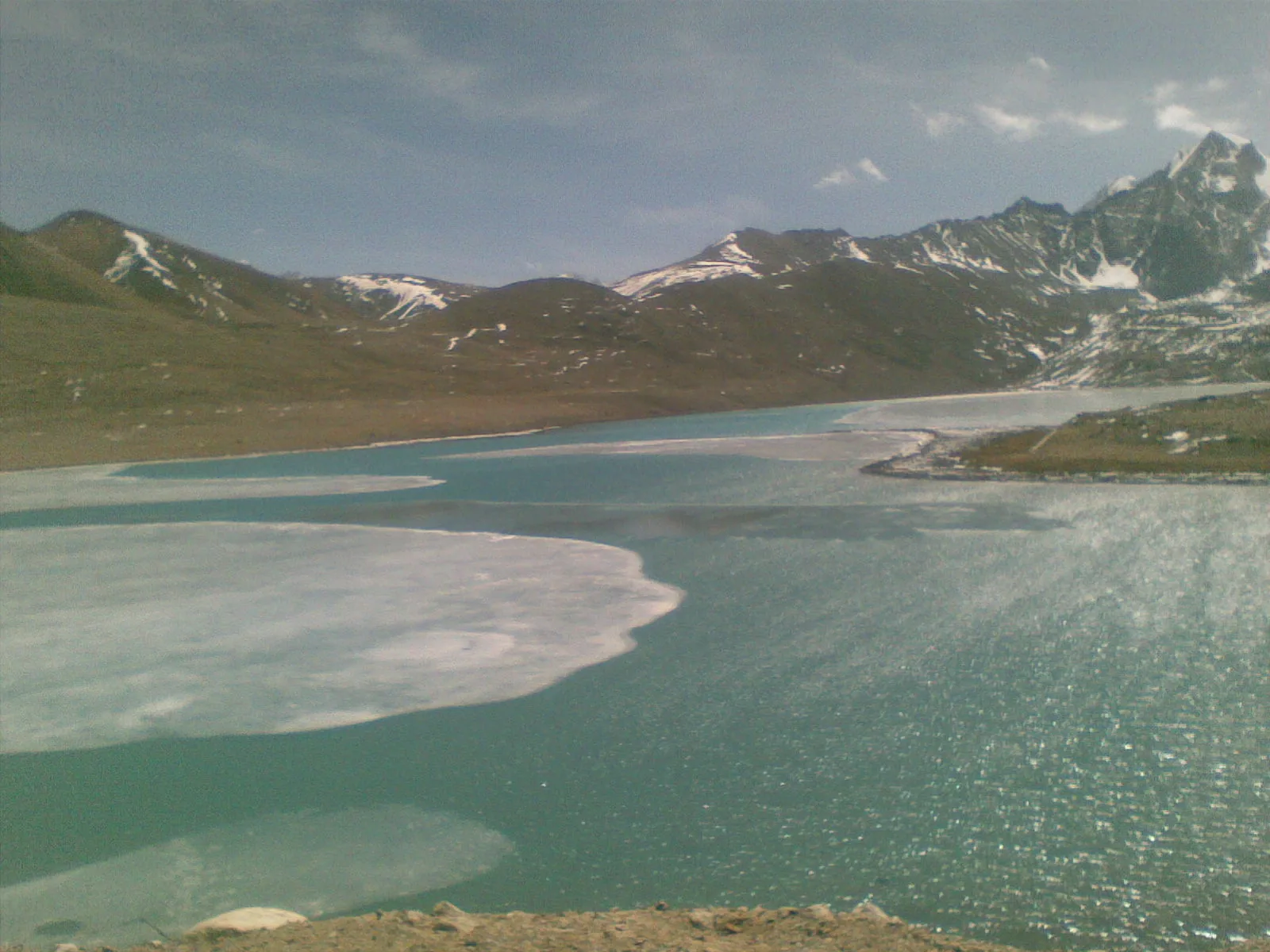
This is the big day, and it has a hard start. Tsomgo, also called Changu, sits at around 3,750 metres and the official visiting hours are from half past seven to half past four, so you leave early. Expect permits to be collected that morning, and expect the road to be slow if snow or rain has come. Altitude is real here: people report headaches and breathlessness, so walk slowly, drink warm water and skip the yak ride if your chest feels tight.
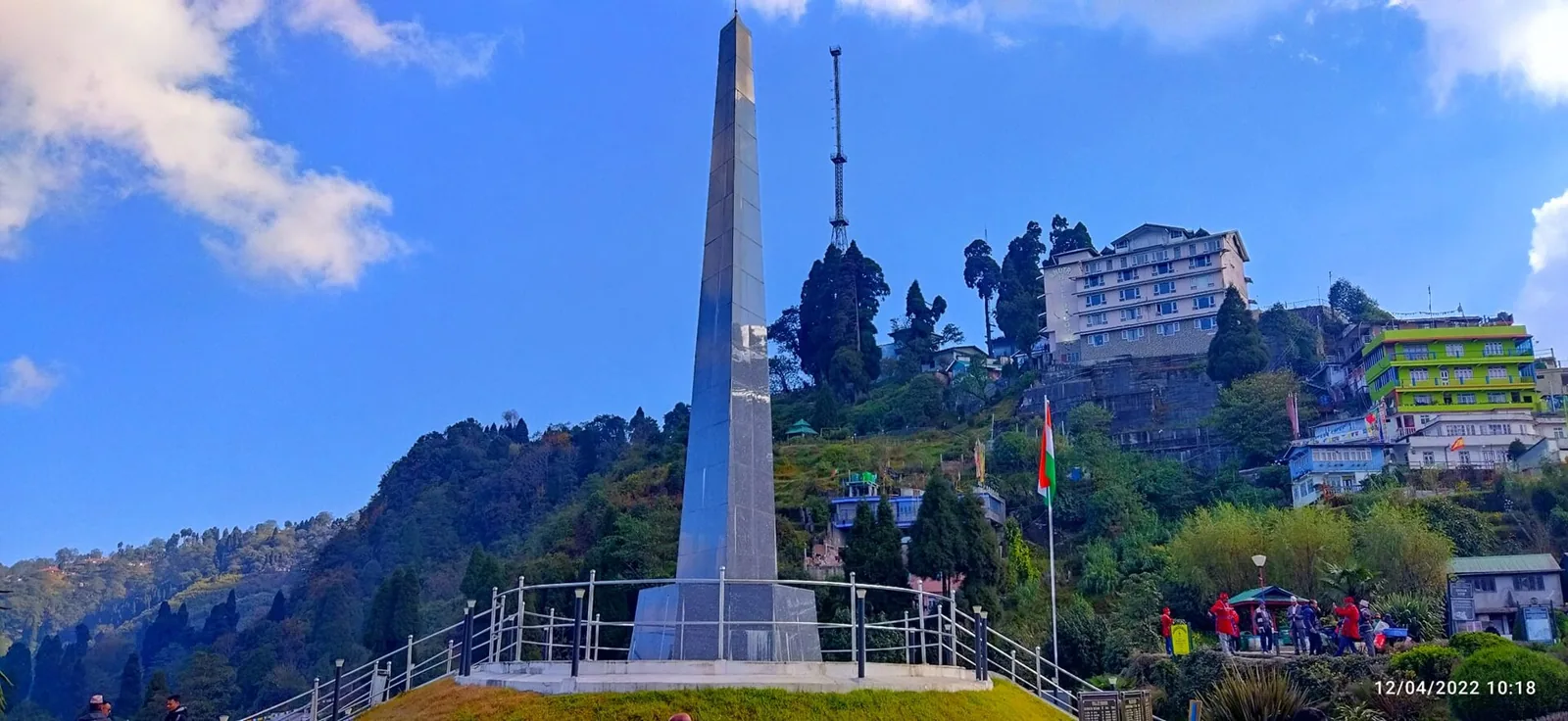
Beyond the lake the road climbs to the Baba Harbhajan Singh memorial, a military shrine around 58 km from Gangtok. One writer visited in June and found that the Nathu La road beyond it was shut by a landslide, so Baba Mandir was the day's end point. That is the main lesson of the day: the high road depends on weather, and the plan is to enjoy whichever of them is open. The pass itself sits at 4,310 metres and is closed on Mondays.
Come back for hot momos or thukpa and an early night. Families with a young toddler should consider a gentler city tour instead, as forum advisers regularly suggest.
- Tsomgo Lake
- Baba Harbhajan Singh Mandir
- Nathu La (if open)
Day 6 · night in Gangtok
Monasteries and the long evening
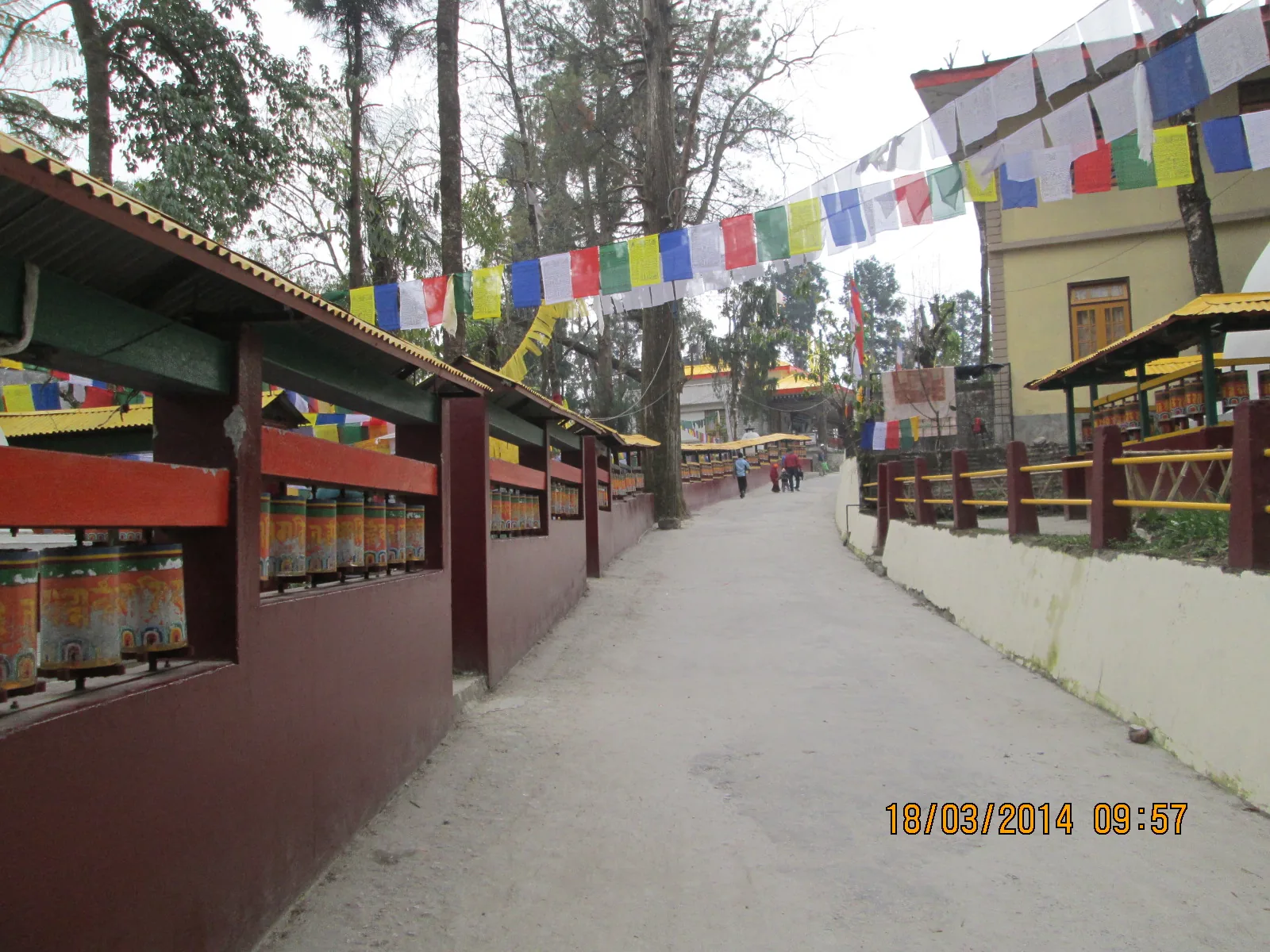
A kinder day after yesterday. Begin at Enchey Monastery in the morning, when one visitor got to chat with monks and listen to morning chanting, and describes it as an unexpectedly moving start. Then drive on to Rumtek, around an hour out and the largest monastery in the state. On the Karmapa's birthday one writer found it packed with devotees; on an ordinary day it is much quieter and the carved prayer wheels along the wall are a good place to slow down.
Return in the afternoon for the Do Drul Chorten, the white stupa ringed by prayer wheels, and the viewpoints at Ganesh Tok and Hanuman Tok, which both look out toward Kanchenjunga on clear days. Skip the cactus nursery: one traveller paid the small entry and said it was not worth the time.
In the evening return to MG Marg and the market lanes around it. People who stay three evenings say New Market and the older bazaar are where you spend money on cheese, tea and local woollens. Ask about chhurpi, the hard yak-milk cheese, sold in unassuming packets for a few rupees.
- Enchey Monastery
- Rumtek Monastery
- Do Drul Chorten
- Ganesh Tok
- Hanuman Tok
Day 7 · night in Bagdogra
The long drive back to the plains
Gangtok to Bagdogra, roughly half a day with a lunch stop
Leave early. The road descends beside the river and then flattens into the plains, and the safe rule is to reach Bagdogra three hours before a flight. Book afternoon departures only; a morning flight from Bagdogra means sleeping near the airport the night before, and our team can adjust the plan if you tell us.
If your flight is later, the driver can stop at a viewpoint or tea stall along the Teesta. Otherwise, sleep, look out of the window, and say goodbye to the hills. Your car and driver end the trip at the airport.
- Teesta valley
- Bagdogra airport
When the hills are kind and when they are not
March to May and October to early December are the usual choices. The official climate table puts Darjeeling at a range of roughly freezing to fifteen degrees in January and February, and around twelve to twenty-three degrees in August and September, but August is monsoon, which means slides and cloud. Late autumn tends to bring the clearest mountain views, and Darjeeling holds a carnival in November, with an orange festival in December. Winter is cold, and Nathu La and Tsomgo can be closed by snow or landslides.

What trip reports say to leave out
Three things come up again and again. Tiger Hill is hit and miss and costs you sleep. Kalimpong is a separate day on its own, and one traveller found its market weaker than the other two. A skydiving or paragliding push from a driver is often paid on commission, so say no politely if you do not want it. With those three gone, the week breathes.
Older parents and young children
The hardest parts are the road and the height. Tsomgo is above 3,700 metres, and travellers with a three year old were advised to swap it for a city tour. Parents with knee trouble should know that Darjeeling and Gangtok are both steep, and the rail ride and car-free stretches are the easiest highlights.
What the price covers
- Car and driver from your pickup to the airport, and again from arrival to departure
- 6 nights in hand-picked stays
- Breakfast and dinner every day
- Local guide at the main sights
- Tolls, parking and fuel
- Flights and trains (we book them with you at the fare of the day)
- Lunches
- Monument tickets, permits and activity fees
- Personal shopping
Questions people ask
Is Tiger Hill sunrise worth the early start?
Reports are mixed. It is a gamble on cloud, the road jams around four, and writers describe crowds and a building site. Go only if you are happy to lose sleep for a chance of clear peaks.
Do we need a permit for Sikkim and for Tsomgo Lake?
Indian citizens are generally processed at the border with photo ID, and Tsomgo and Nathu La need separate paperwork. We arrange this through the driver and stay, and the details change, so confirm just before you travel.
How long does the toy train ride take?
Expect roughly two hours for the little ride up to Ghum and down again, with a pause at Batasia Loop. Do not expect comfort, but do expect charm.
Can Gangtok and Darjeeling be done in the other order?
Yes, the same days work in reverse. The order here ends with the higher, harder lake day in the middle of the week so a bad weather window has a spare day.
What if my flight lands very late at Bagdogra?
Because the hill road is slow after dark, the plan can add a night near the airport. Tell us your flight time when you book and we adjust the first day.
Which of your pickup points can I use for this?
Yes, any of the four works. A Laladham car brings you to the departure airport, you book the flight yourself, and a car is waiting when you land in Bagdogra.
Is the trip suitable for a 65-year-old parent?
Mostly yes, if altitude is manageable. The lake day is the one to discuss with a doctor, and an easy city day in Gangtok can replace it.
- Tsomgo Lake (7:30 to 4:30) and Nathu La (8 to 6, closed Mondays) timings per the tourism site; permits and weekday closures change
- Toy train joy ride timetable and booking; ask your hotel a few days ahead
- Whether the Nathu La road is open after rain or snow
- Entry fees at the museum, zoo and monasteries
 7 days
 4 days
 4 days