Day 1: Delhi to Chennai by air, then south
Take a morning flight, since Incredible India lists Chennai International Airport as the nearest for Kanchipuram. Drive out the same afternoon and settle in so that the next morning begins at the first temple, not in traffic. We could not confirm the road time, so ask your driver and leave a generous margin.
Day 2: Kanchipuram, the city of a thousand temples
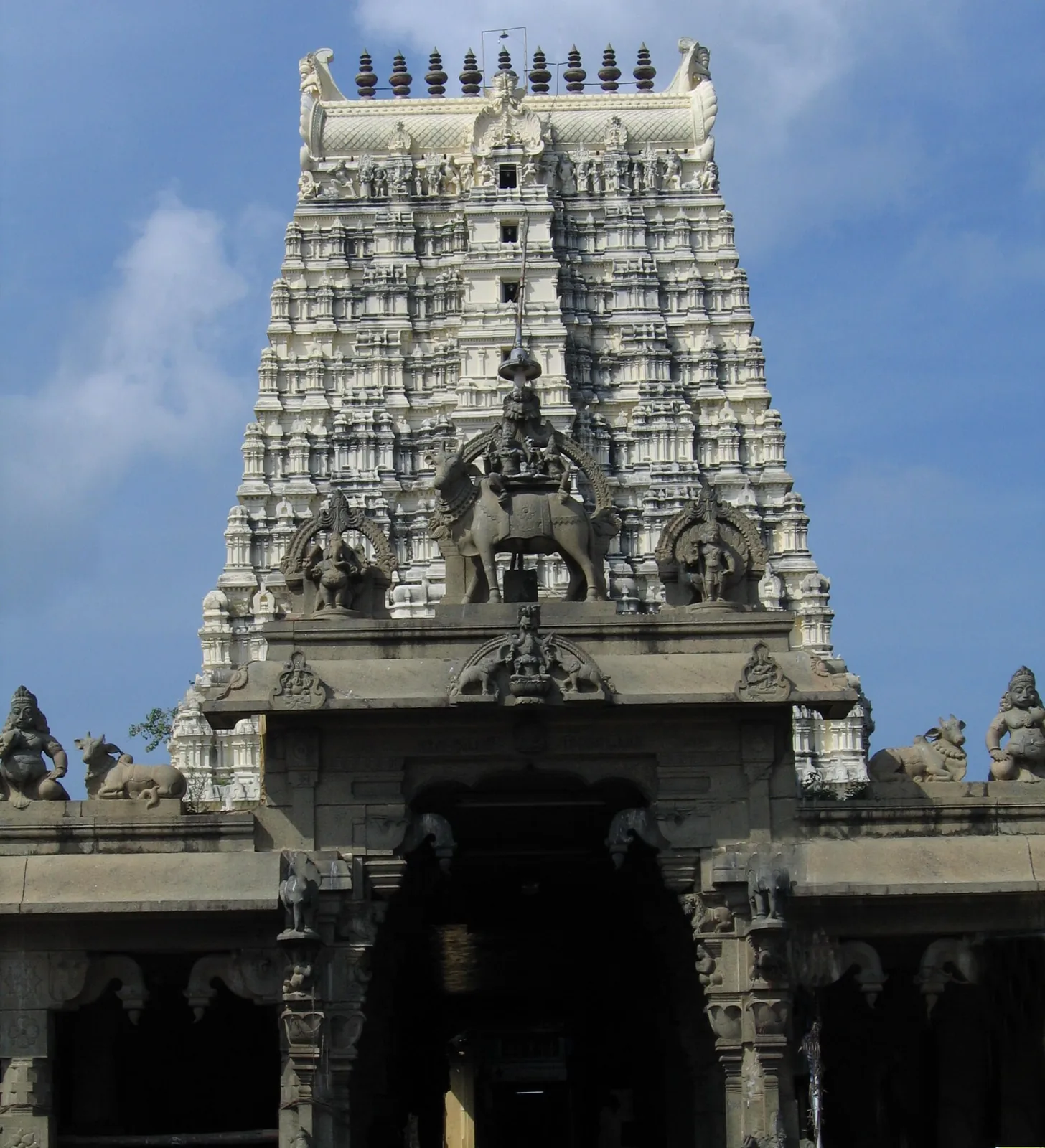
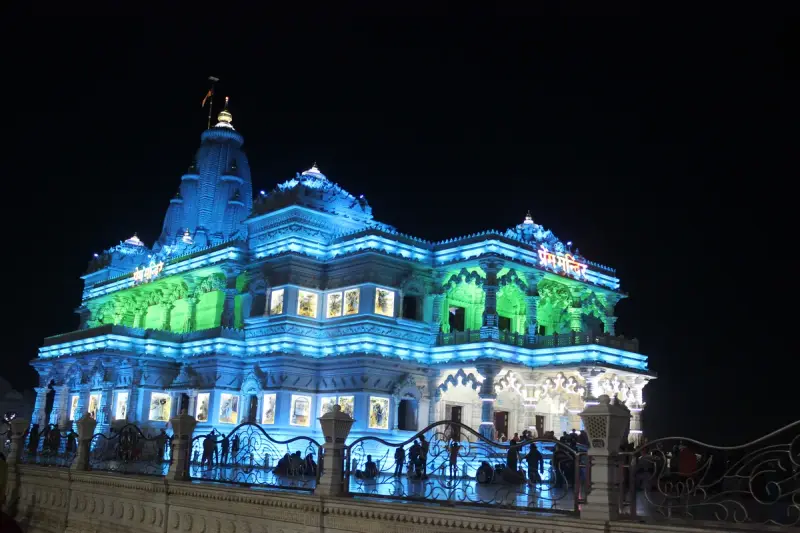
Incredible India says Kanchipuram is still widely called the cultural capital of Tamil Nadu. Start at the Kamakshi Amman Temple, whose goddess is the reigning deity of Kanchi, then walk to Ekambareswarar, one of India's largest temple complexes at about 40 acres, with its towering gateways. Varadharaja Perumal has a 40 foot reclining idol of Athi Varadar that is brought out for darshan once in 40 years, which is why you will meet the temple's name in every conversation.
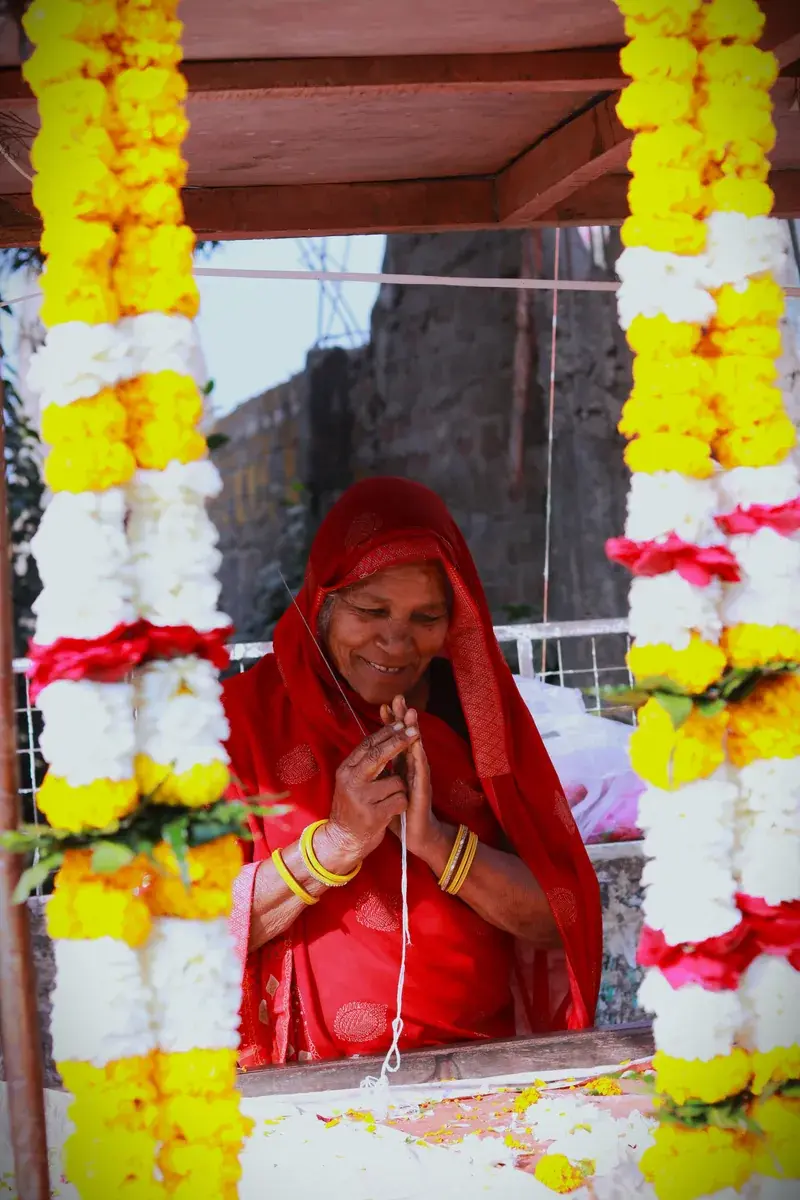
Kailasanathar, one of the oldest structures in the town, holds a 16-sided black granite linga and a secret escape tunnel that the Pallava rulers are said to have built; the tunnel is still visible. Buy a Kanjeevaram sari only from a shop you trust, since the town is known for its gold zari silk. Night in Kanchipuram or on the road south.
Day 3: Tiruchirappalli and Srirangam
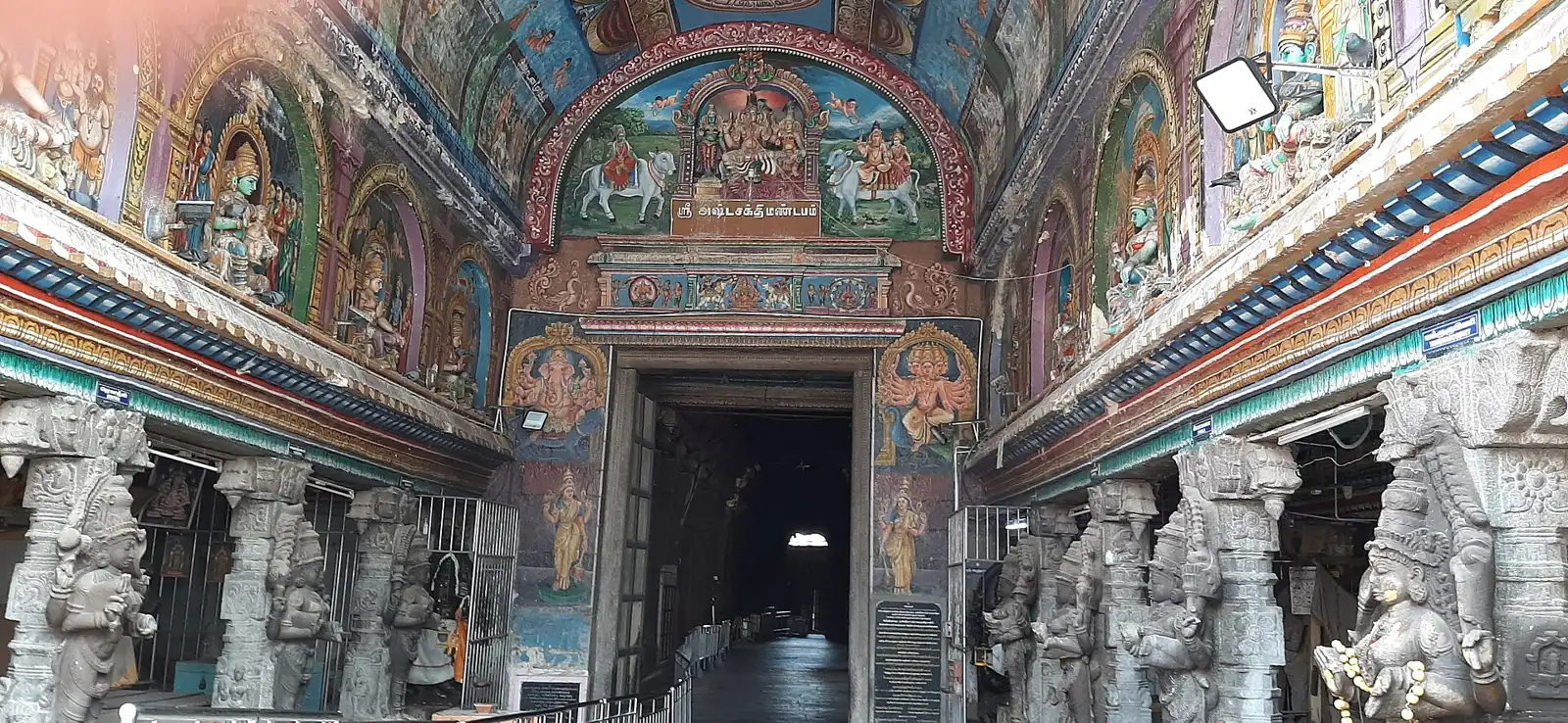
Today is the long driving day, so start early. Trichy gives two very different things. The Rockfort, whose foundation is credited to the Pallava king Mahendravarman I, is the cultural symbol of the city. The Sri Ranganathaswamy Temple in Srirangam sprawls over 156 acres and is described by Incredible India as the largest operational Hindu temple in the world and a UNESCO World Heritage Site, dedicated to Vishnu.
Give Srirangam the whole afternoon. The compound is a town in itself, with shops, streets and shrines, and the walking is long. The Jambukeswarar Temple for Shiva and the Samayapuram Mariamman Temple are the other names on the list, but do not add them on the same day.
Day 4: Thanjavur and the Chola towers
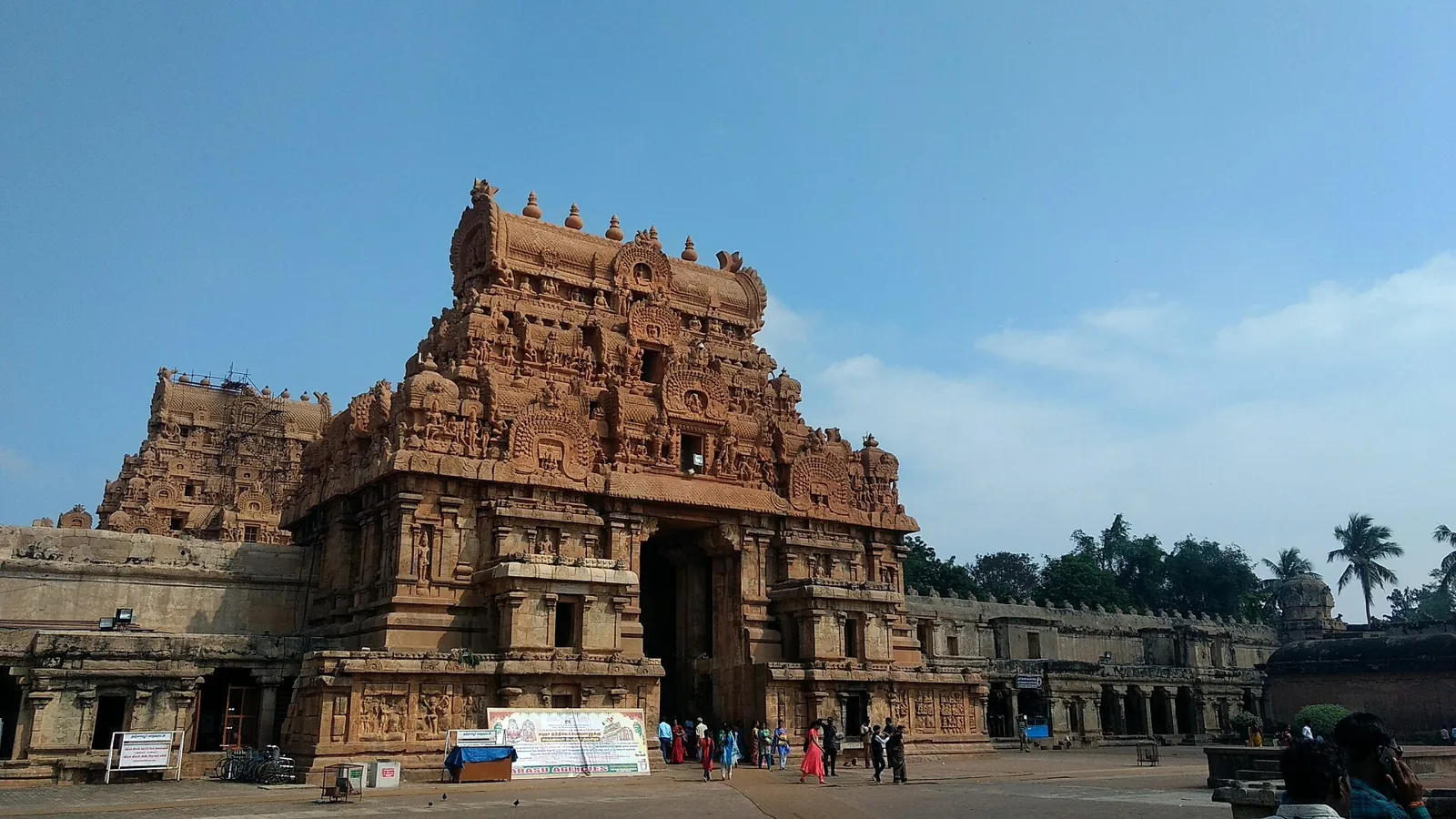
Thanjavur is about 61 km from Trichy's airport and, by Incredible India's count, roughly 350 km south-west of Chennai. The Brihadeeswara Temple, built around 1010 by Rajaraja Chola I, is the reason you came. Tamil Nadu Tourism puts the main tower at 216 feet, all granite, with a Nandi carved from a single rock 13 feet high and 16 wide, and a capstone of nearly 80 tons. Go in the morning when the stone is cool.
The Big Temple counts among the three Great Living Chola Temples, with Gangaikonda Cholapuram and Airavatesvara at Darasuram. If you have the energy, Airavatesvara is the quiet one, known for carving. Thanjavur is also where gold-leaf paintings come from, so a stop at a gallery is worth the time.
Day 5: Madurai after dark
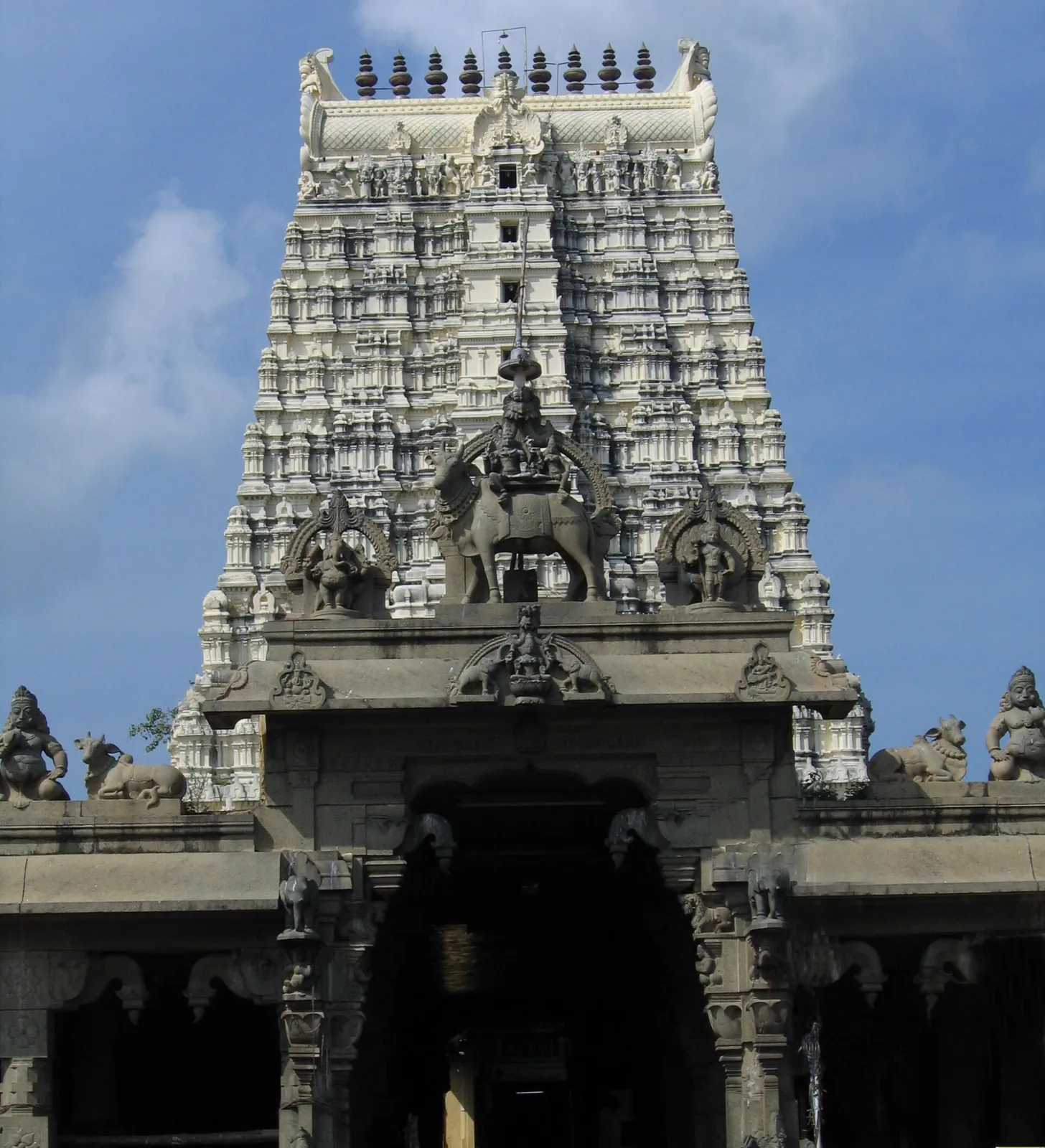
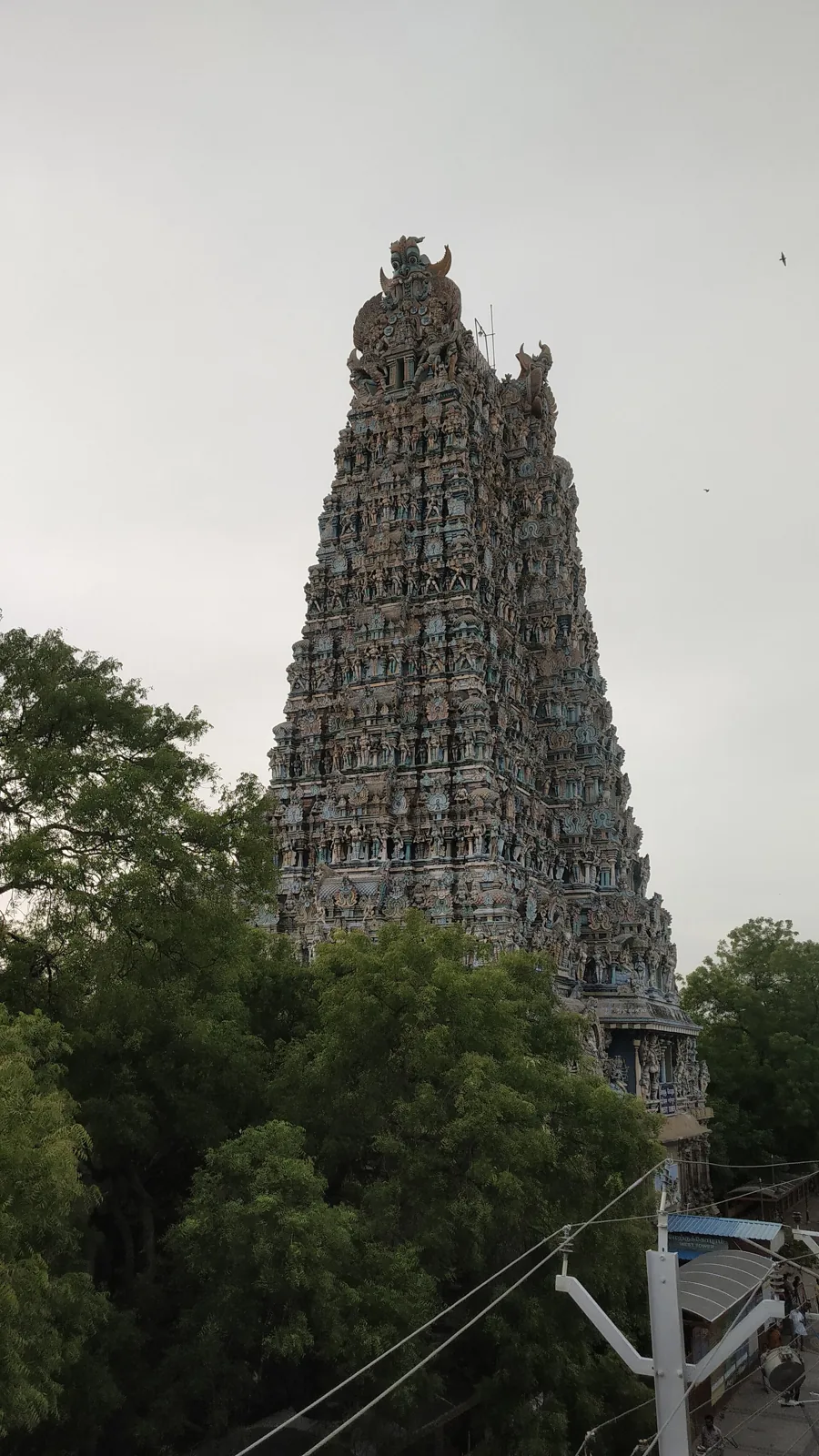
Drive to Madurai and treat the afternoon as rest. The Meenakshi-Sundareswarar Temple is best seen at its busiest and quietest ends: with 14 gopurams of 45 to 50 metres, the thousand-pillar hall and the musical pillars, it deserves more than one visit. Tamil Nadu Tourism calls the city Thoonga Nagaram, the city that never sleeps, so after the evening rites, walk the streets round the temple and eat.
The hot months are hard on stone floors. The official table shows highs of about 39 degrees in April, and the board says December to February is best.
Day 6: Madurai, palace and market
Spend the day on the rest of the city. Thirumalai Nayak Palace has 248 pillars, the Gandhi Memorial Museum is housed in the old palace of Rani Mangammal, and the Teppakulam is the largest temple tank in the state. Add Koodal Azhagar or Thirumohoor for a second temple that is not crowded, and leave the evening for a last walk near the Meenakshi gopurams.
Day 7: Rameswaram
Madurai airport is about 180 km from Rameswaram, on the Tamil Nadu Tourism page. It sits on Pamban Island, linked by the Pamban Bridge, and the Ramanathaswamy Temple has the longest corridor of any Hindu temple in India, about 1,200 metres with 1,212 pillars, and 22 wells within the complex. It is one of the twelve jyotirlinga temples and holds an important place for Hindus. Come in the afternoon and again at first light, when the corridor is quiet.
Afterwards Dhanushkodi is the place to see two seas meet. Stay the night on the island.
Day 8: the road north again, then home
Return by road to Madurai and take the flight out from there, with a direct service to Delhi listed for Madurai airport. Keep the last morning empty and leave for the airport earlier than you think you need to. If you want a southern finish instead, Kanyakumari lies about 240 km from the same airport, but it adds a day.
Season, dress and pacing
November to February is the comfortable window; Madurai and Thanjavur get very hot from March.
Dress modestly, carry a cloth to cover shoulders, and wear sandals you can slip off quickly, because temples are entered without shoes.
Midday is a bad time for stone courtyards, so plan the day around dawn and dusk and eat a long lunch.
Festival weeks, including Pongal and Madurai's Chithirai, fill rooms months ahead.
Let Laladham run it from Delhi
Laladham can pick you up in Delhi, at the airport, station, home or hotel, and run the complete trip: the flights, a driver for the eight days, rooms in each town and a daily plan that lets you see each temple at its best hour. No price is published for this route, so ask for a quote on the book page with your dates and group size.
Questions, answered
Is this trip done by road from Delhi?
No. Go by air into Chennai, drive the circuit and leave from Madurai. The road is only for the Tamil Nadu days.
Why Madurai twice?
Madurai gets two nights because the Meenakshi temple rewards two visits and the city is the base for Rameswaram.
What is the best season?
November to February. Madurai and Thanjavur turn hot from March.
Are the temples open to everyone?
Rules differ by temple. Check entry conditions and dress rules locally before you go.
Can I shorten it?
Yes. Drop Kanchipuram and Trichy for a five day version of Thanjavur, Madurai and Rameswaram.