This guide is about how the trip is organised, because that is where first-timers go wrong. The permissions, the jetties, the boats and the rules all come from the forest department's pages for the Sundarban Tiger Reserve, and they are more specific than most travel articles.
What you are actually visiting
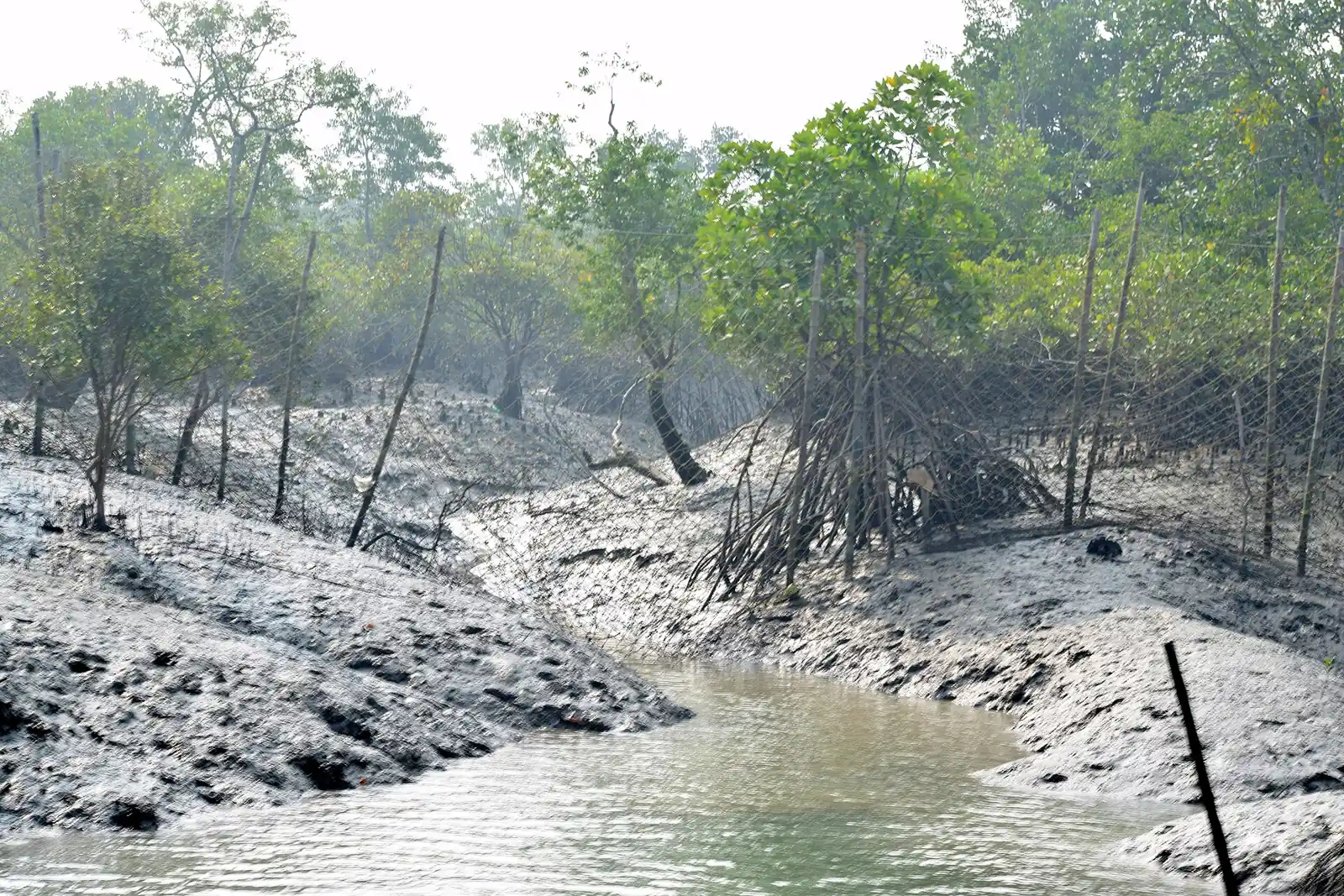
The reserve describes the Sundarban as the largest deltaic region in the world, with 105 islands cut by a maze of rivers and creeks. The name means beautiful forest and is believed to come from the sundari tree. The Indian part is the southern end of the Ganges and Brahmaputra delta, bordering the Bay of Bengal, and the Kalindi, Raimangal and Harinbhanga rivers separate it from Bangladesh on the east.

The Tiger Reserve covers 2,584.89 sq km and dates from 1973, one of the first nine reserves under Project Tiger. The national park area has been a World Heritage Site since 1987. The reserve says it is the only mangrove ecosystem in the world that has tigers, animals that swim between islands and eat fish and crabs as well as boar and cheetal.
Getting from Kolkata to the water
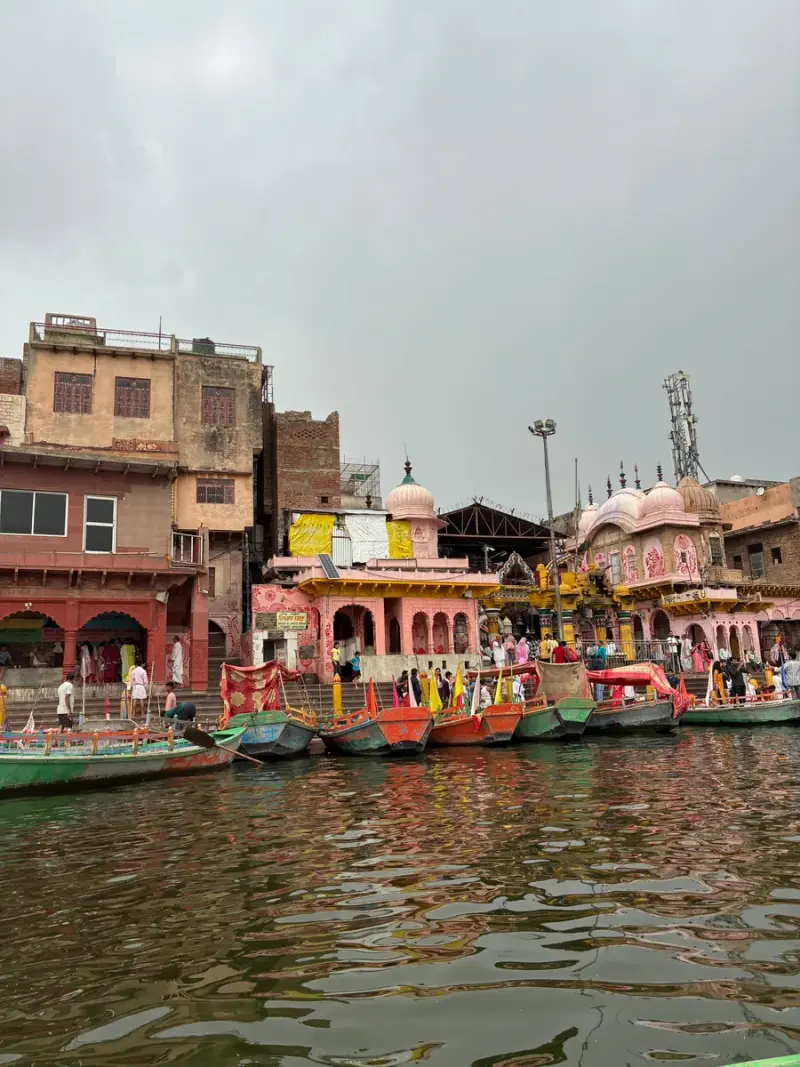
The nearest railhead is Canning, and the reserve says EMU trains run from Sealdah roughly every hour. Buses run from Esplanade to Sonakhali and Godkhali, and Dhamakhali buses start at Sealdah, Babughat, Barasat and Science City. If you drive, there is private parking at Godkhali Jetty Ghat.

From the jetty a ferry takes you on to Sajnekhali and the nearby stops. West Bengal Tourism Development Corporation runs guided tours from Kolkata, and the reserve suggests you contact an operator or a boat online and book before you reach the Sundarbans. [Trains from Delhi to Kolkata](/trains/delhi-to-kolkata) are the usual way in, then this leg is a long day or a night's stay.
Permits, boats and the guide you must take
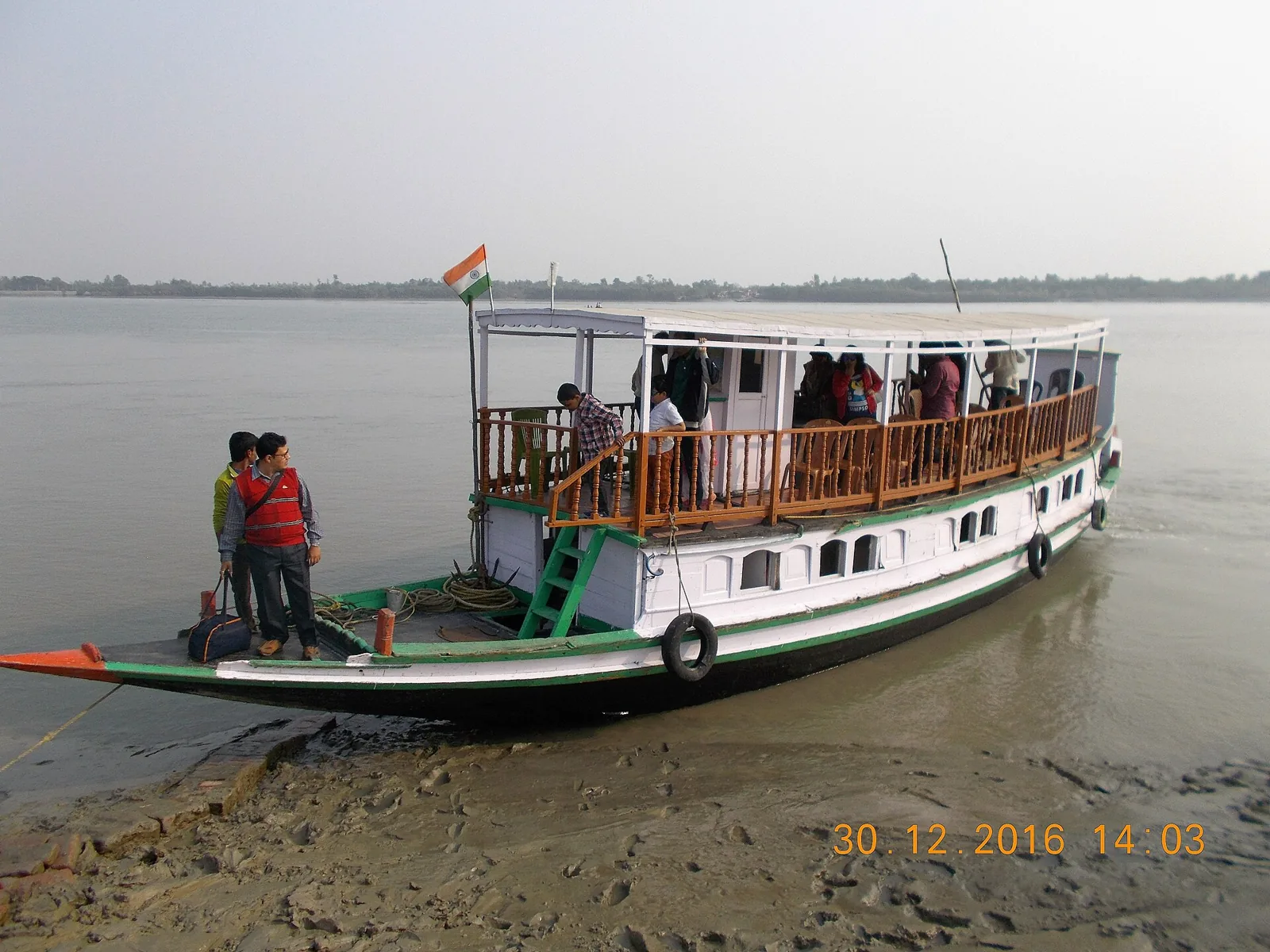
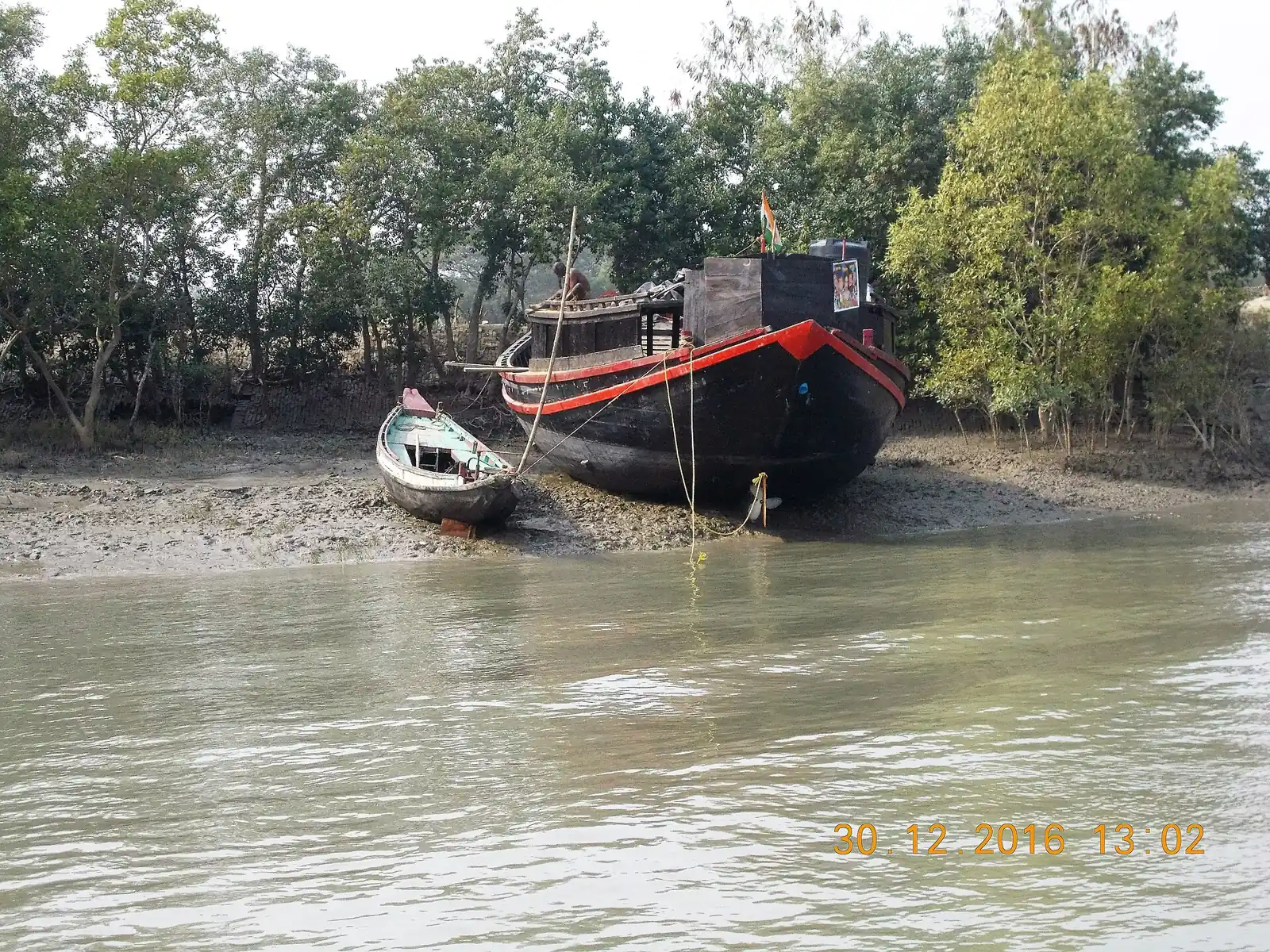
Nobody wanders in alone. Visitors need permission through the Field Director's offices at Canning, Sonakhali, Bagna, Sajnekhali or Jhingakhali, with an entry fee for the boat and each person. Only registered tourist boats may enter, and a compulsory eco-guide rides along for the whole cruise. Foreigners bring their visa papers and need nothing more.
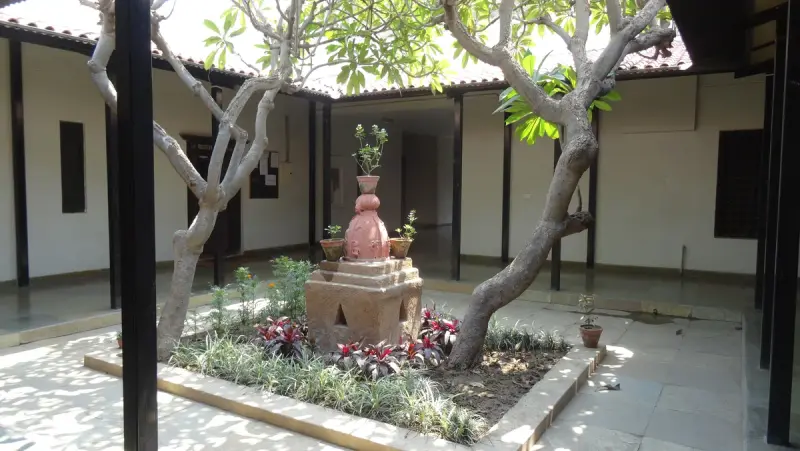
Boats must keep to routes set by the department, so a boat captain cannot take you somewhere nicer on request. That sounds restrictive and works in your favour: the tigers stay undisturbed and the guide knows where the watch towers are.
The stops that matter
Sajnekhali is the usual first landing, with a mangrove interpretation centre, a turtle and crocodile pond and its own tower. Sudhanyakhali has a mangrove park and a watch tower. Dobanki has a canopy walk that ends in a tower with a wide view over the forest. Burirdabri is for those who like mud: a cage trail and a mud walk, with a tower looking across the Raimangal to Bangladesh.
Netidhopani has the ruins of a 400-year-old temple. Haliday Island on the Matla river covers only 3.5 sq km but lists spotted deer, wild boar, barking deer and macaques, and tigers are described as occasional visitors. Lothian Island adds estuarine crocodiles and olive ridley turtles. Not every boat touches every stop, so ask the operator to name the towers before you pay.
Dolphins, birds and what not to expect
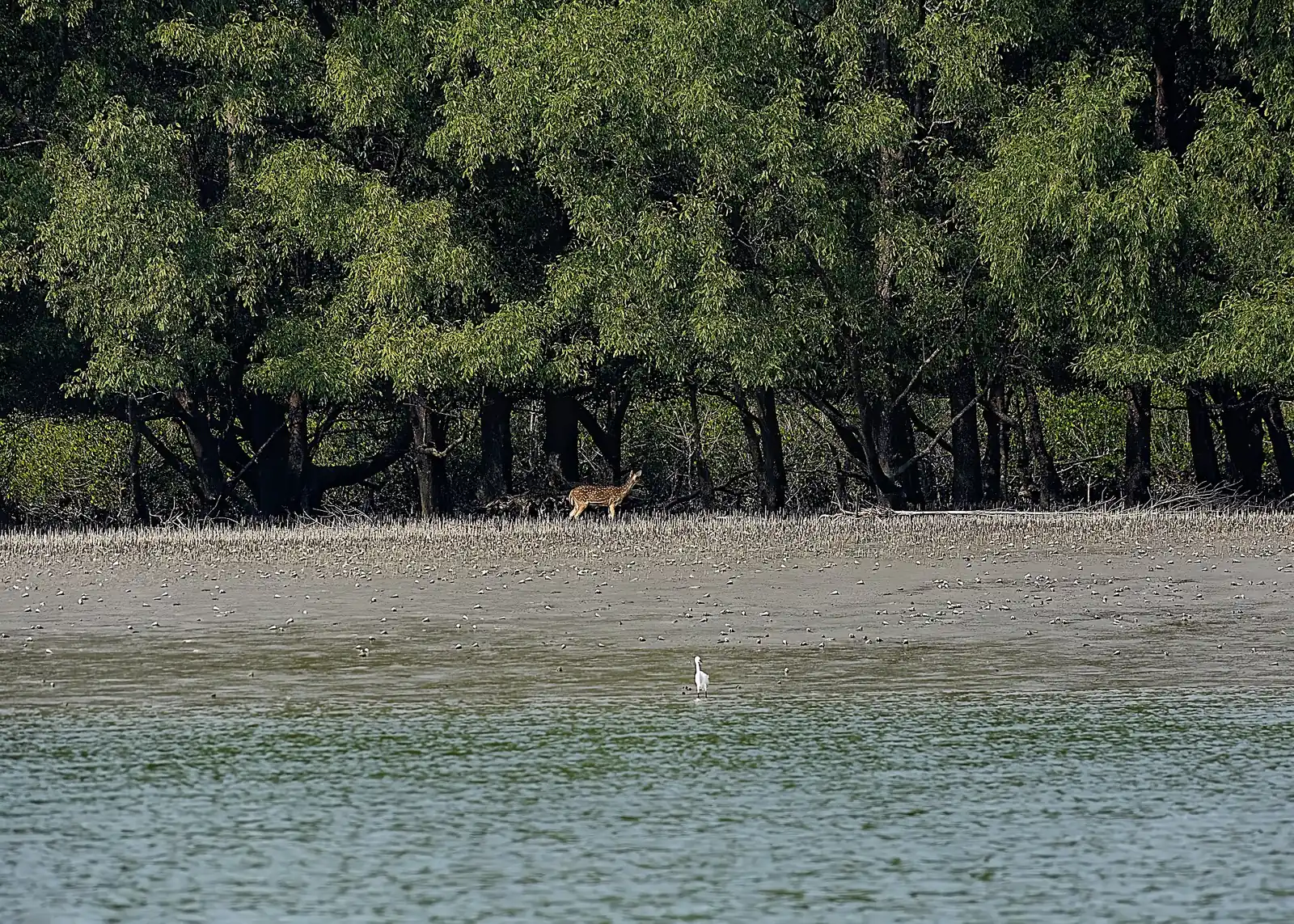
The forest department lists Gangetic and Irrawaddy dolphins, fishing cats and otters, and over 300 bird species with many migrants in winter. BBC reporting on the Bangladesh side notes that finless porpoises and humpback dolphins move upriver when salinity is high, which is part of why winter water is lively.

Do not promise yourself a big cat. A census counted about 70 here when the reserve was first surveyed by camera traps, in a landscape of mud, water and dense roots, and a sighting from a boat is a lucky exception. Count the trip a success if you see a tower view, a crocodile on the bank and the deer standing in the open.

Rules that will be enforced
Silence is expected inside the forest, so no music. Single-use plastic and plastic bottles are banned, as are drones, liquor and smoking, and swimming, diving and fishing are all prohibited. Tourists may land only at camps opened for tourism. Carry your own steel or glass bottle and a cloth bag for rubbish.
The department invites complaints about guides by email with the boat name, guide name and date, which tells you the rules are meant seriously.
Which months, and how long
The reserve notes that migrant birds arrive from higher altitudes in the winter months, and that is also when the cooler air makes hours on a deck bearable. Avoid cyclone and storm warnings whatever the month, because a boat cannot shelter in open water. Plan one night, or at most two, with an early start from Kolkata.
Day trips exist, but the road and the tide leave very little time on the water. An overnight stay near the jetty puts you on the first boat while the light is soft.
Laladham for the Sundarbans
Laladham can plan this from Delhi: pickup from the airport, a station, your home or a hotel, flights or trains to Kolkata, a driver for the road to the jetty, a registered boat with a guide and a room near the water. Share your dates on the [booking page](/book) and ask for a quote.
Questions, answered

Do I need a permit to visit the Sundarbans?
Yes, but your boat operator normally handles the paperwork. A department office issues the permission and collects fees, and private entry without a registered boat is not allowed.
Is a guide compulsory?
Yes. An eco-guide sits aboard from start to finish, so there is no option of going without.
How do I reach the jetty from Kolkata?
The simplest route is an hourly suburban train from Sealdah to Canning, then a short road transfer to the jetty. Buses from the Esplanade bus stand also go to Godkhali.
Can I get off the boat and walk about?
Only at the designated tourism camps. Everywhere else you stay aboard.
Will I see a tiger?
Probably not, and the honest answer is better than a promise. Plan around the towers, deer, crocodiles and birds, and treat a tiger as a bonus.
- Sundarban Tiger Reserve, how to reach and permits
- Sundarban Tiger Reserve, rules and regulations
- Sundarban Tiger Reserve, places to visit
- Sundarban Tiger Reserve, the Indian Sundarban
- Sundarban Tiger Reserve, fauna
- BBC News, Bangladesh dolphins get Sundarbans sanctuaries
- BBC News, India wild tiger census shows population rise