Day 1: Delhi to Bhubaneswar and the temple city
Fly Delhi to Bhubaneswar; Incredible India names Biju Patnaik International Airport as the nearest for every stop on this route. The city's name comes from Tribhubaneswar, Lord of the Three Worlds, and its temples were built in the Kalinga period, between the 3rd century BCE and the 11th century CE.
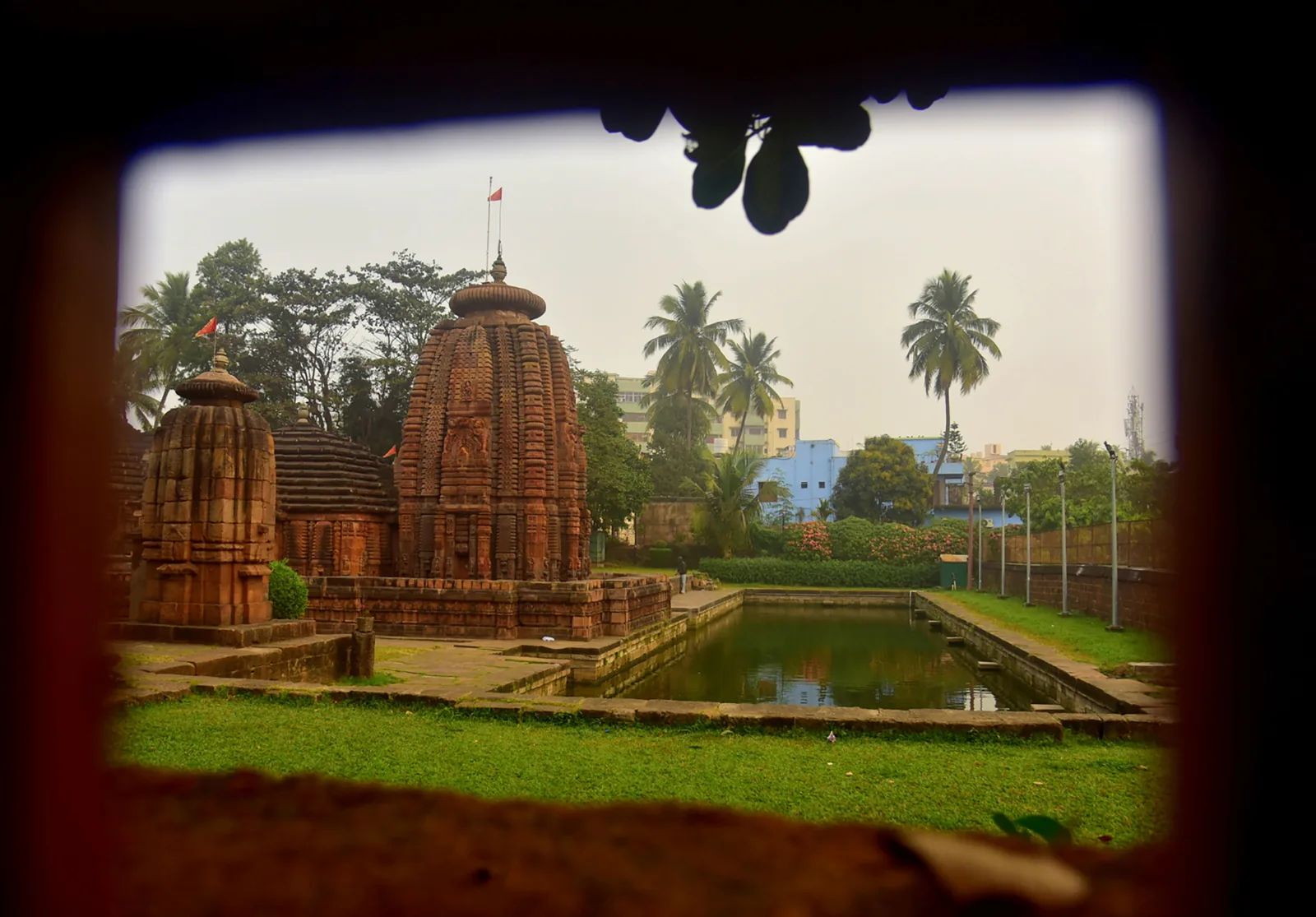
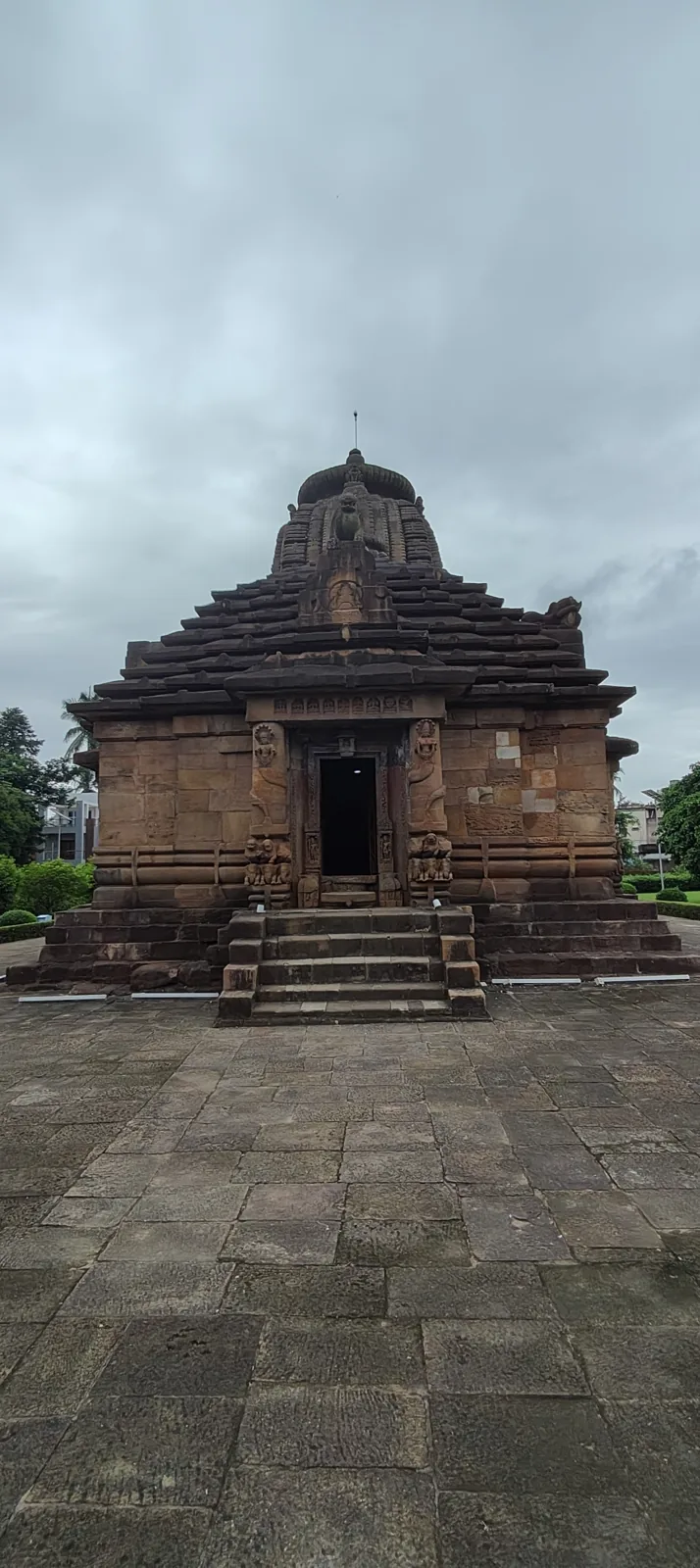
Start with Rajarani Temple, from the 11th century, named for the red and yellow sandstone it is made of. It has no deity inside, which leaves the carving on the outer walls as the point of the visit. Then Mukteshwar for a smaller, finer example of the same style. Eat early and rest, because the next days start before sunrise.
If you land with energy to spare, walk the lanes near the temples in the late afternoon and see how the old and the new city share the same streets. The state capital is also known for Odissi, Gotipua and Chhau dance, and an evening performance is worth asking about when you book rooms.
Day 2: Lingaraj, caves and Dhauli, then Puri
Go to Lingaraj in the morning, when it opens at 7 am. Commissioned in the 11th century by King Jajati Keshari, it is dedicated to both Shiva and Vishnu, with a tower of 180 feet in a compound of more than 40 acres and about 150 smaller shrines. Only Hindus may enter; the page says others can view the whole complex from an elevated platform. Plan your time for the platform if that applies to you.
Udayagiri and Khandagiri caves come next, rock-cut monasteries from the 2nd century BCE under Emperor Kharavela, built for Jain monks, with carved pillars and reliefs. Dhauli is 8 km from Bhubaneswar and is presumed to be where the battle of Kalinga was fought; the Daya river is reported to have run red, and Ashoka's rock edicts are carved into a mass of rock beside the road to the summit, where a peace stupa now stands. The caves are open until evening, so Dhauli first in the cool of morning, then the caves, is the easier order. By late afternoon, head to Puri.
Day 3: Puri, the temple and the shore
Puri is the Purushottama Kshetra of the old texts, and the Jagannath Temple is why people come. The chariot festival, listed by Odisha Tourism as Ratha Jatra, falls in June or July, which is the one time not to arrive unplanned. On other days the thing to do is the darshan and a slow walk in the markets, where Pattachitra paintings, palm leaf engravings and applique work are sold. We could not confirm the entry rules from the pages we read, so check the temple's rules for your group before you plan the morning.
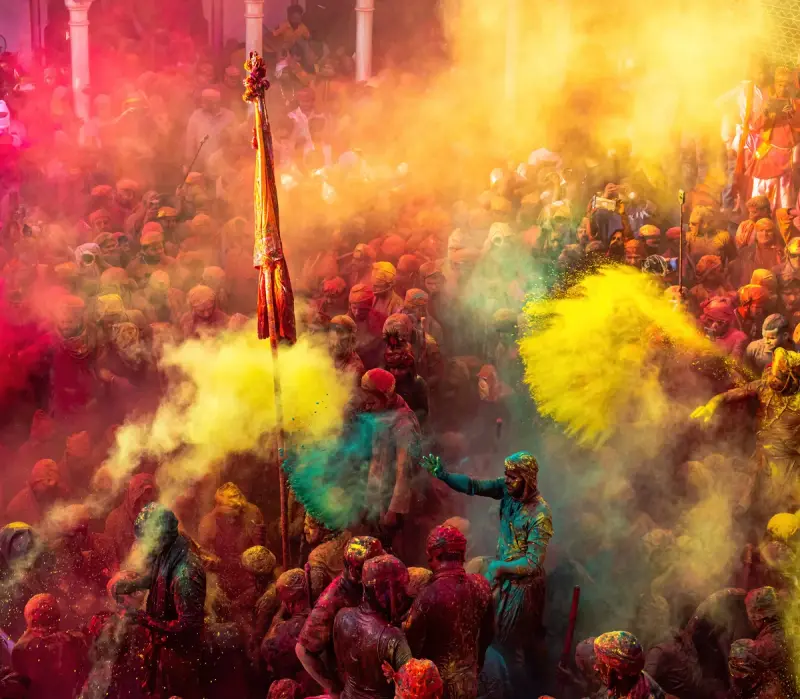
In the evening, go to the beach. Incredible India lists monthly highs in Puri between about 30 and 35 degrees, with November and December the coolest, so evening is the right time for the sand and the sea.
Day 4: Konark at dawn, then the flight
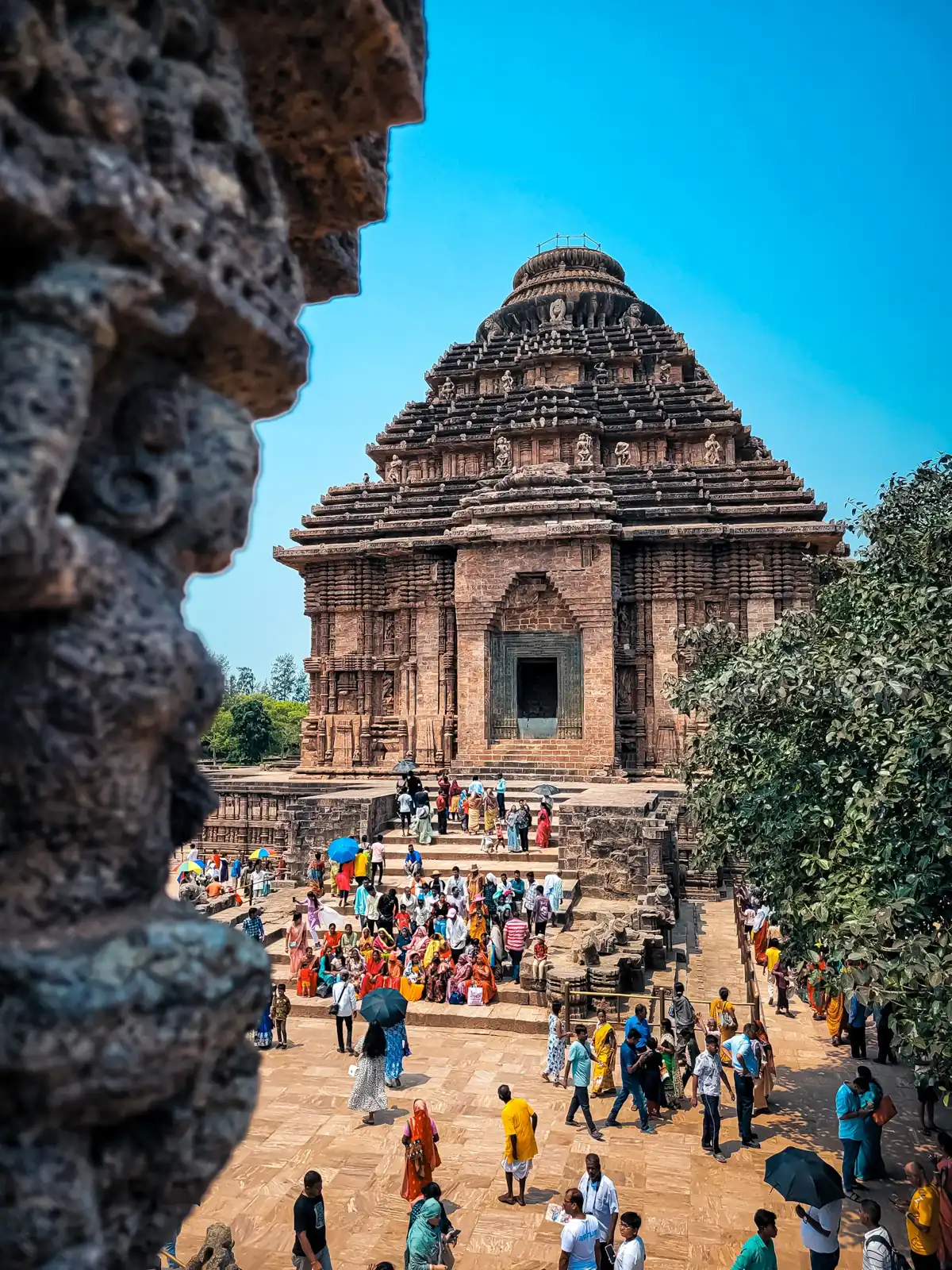
Konark lies about 35 km north-east of Puri, and the temple opens at 6 am. Be at the gate on time. The temple was conceived as a colossal chariot for the Sun God, with 24 carved wheels, nearly 10 feet across, that work as sundials, and seven stone horses. The tower is gone, but the Jagamohana and the skeleton of the dance hall survive. Spend an hour at the wheels.
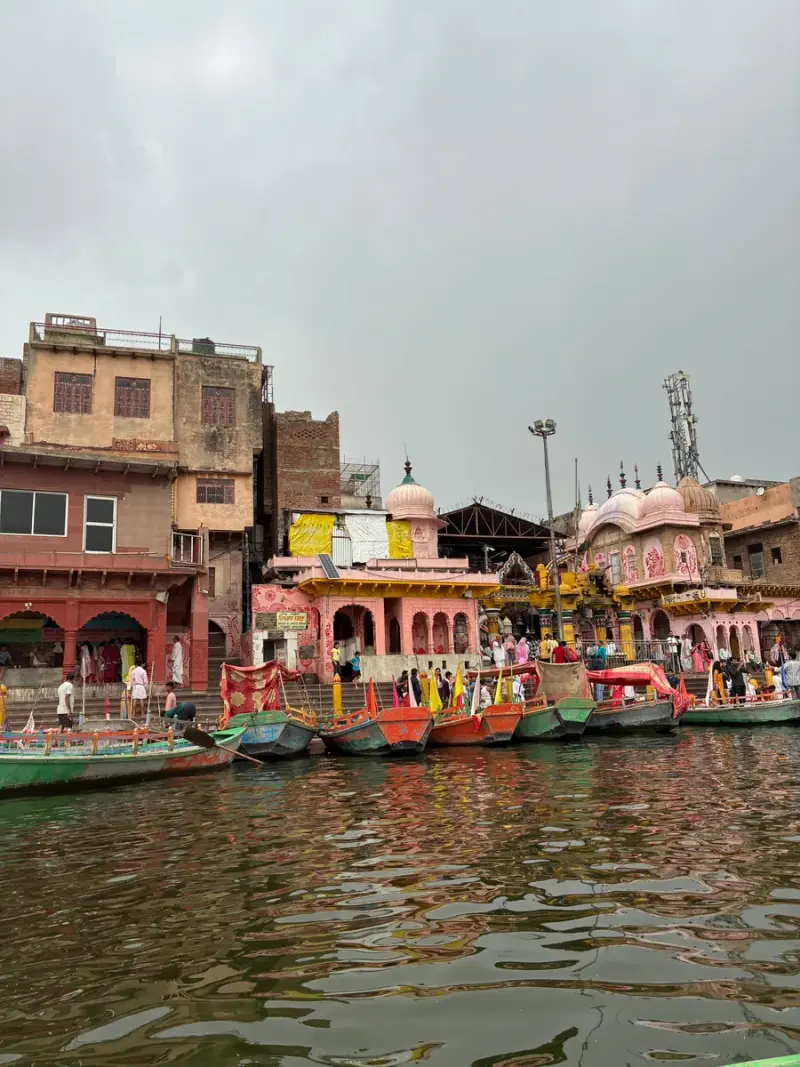
Then return to Bhubaneswar for a flight. Give the drive generous margin, as the pages give no road time. If your flight is late, Chandrabhaga Beach, a short distance from the temple, is a pleasant stop.
Eating along the way
Odisha Tourism's cuisine list begins with Mahaprasad, the temple food, followed by rasagola and chhenapoda. Puri's own page promises dosas, idlis and chaats for plainer meals. After two days of stone and steps, a long lunch is a fair reward, and the coast adds fresh fish if you eat it.
Season, dress and pace
October to March is the comfortable period for Konark, and the Odisha winter is mild; Puri's December highs average about 30 degrees.
Dress modestly for the temples, carry water, and wear shoes that slip off easily.
Do not try to add a fourth big temple to any one day; the heat, the steps and the queues will use up everything you have.
Let Laladham run the four days
Laladham can pick you up in Delhi, at the airport, station, home or hotel, and run the complete trip: the flight to Bhubaneswar, a driver across the triangle, rooms in the city and on the coast, and timings for each temple. No price is published for this route, so ask for a quote on the book page with your dates and group size.
Questions, answered
Can non-Hindus enter Lingaraj Temple?
Not the sanctum. Incredible India says non-Hindus can view the complex from a designated elevated platform.
How far is Konark from Puri?
About 35 km, according to Incredible India.
Is four days enough?
Yes, if you do one major site per half day. Add a day for the beach or Chilika Lake.
When is the best season?
October to March.
What is Dhauli known for?
The site where Ashoka is said to have renounced war, with rock edicts and a peace stupa.