This is a map of the state's main regions, with the distances official pages give, so you can pick two or three and do them well.
Start with the distances
Karnataka Tourism's own seven day route is a useful ruler. Bengaluru to Bandipur is 214 km and about 4.5 hours, Bandipur to Mysuru 72 km and an hour and a quarter, Mysuru to Hassan 112 km and about 2.5 hours, and Hassan to Hospet 310 km, around 6 hours. From Hospet to Aihole it lists 125 km and 2.5 hours, and Badami back to Bengaluru is 450 km, about 8.5 hours, for which it suggests a night train or State Roadways bus.
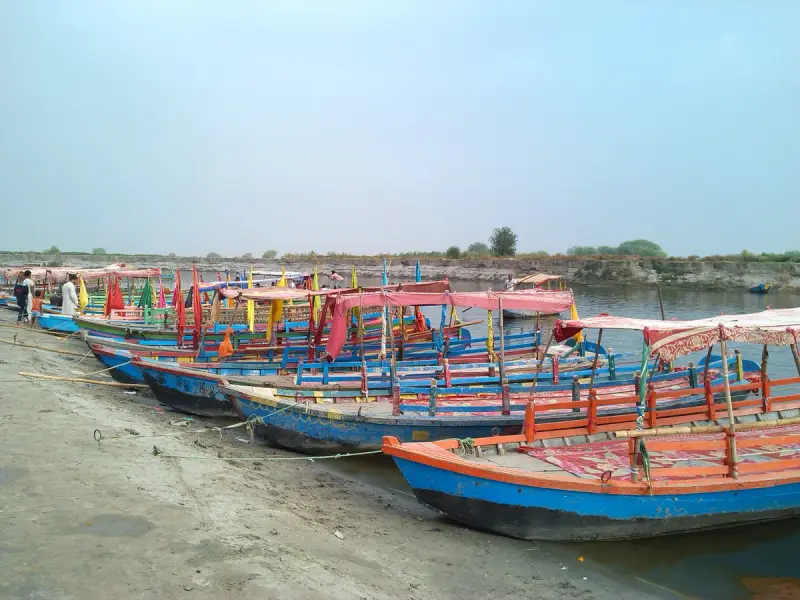
The pattern: south Karnataka is a loop of short drives from Bengaluru, and the north is a different trip, closer to a flight and a train than a day's drive. Read those numbers before you decide how many stops fit.
Bengaluru, the starting point
Most visits begin here. Incredible India lists the Vidhana Soudha and Bannerghatta Biological Park among the sights, and Nandi Hills sits close enough for a dawn outing. If you need a day in the city before heading out, the [Bengaluru guide](/blog/bengaluru-travel-guide) has the detail. Treat it as a base, not the destination.
Mysuru and Dasara
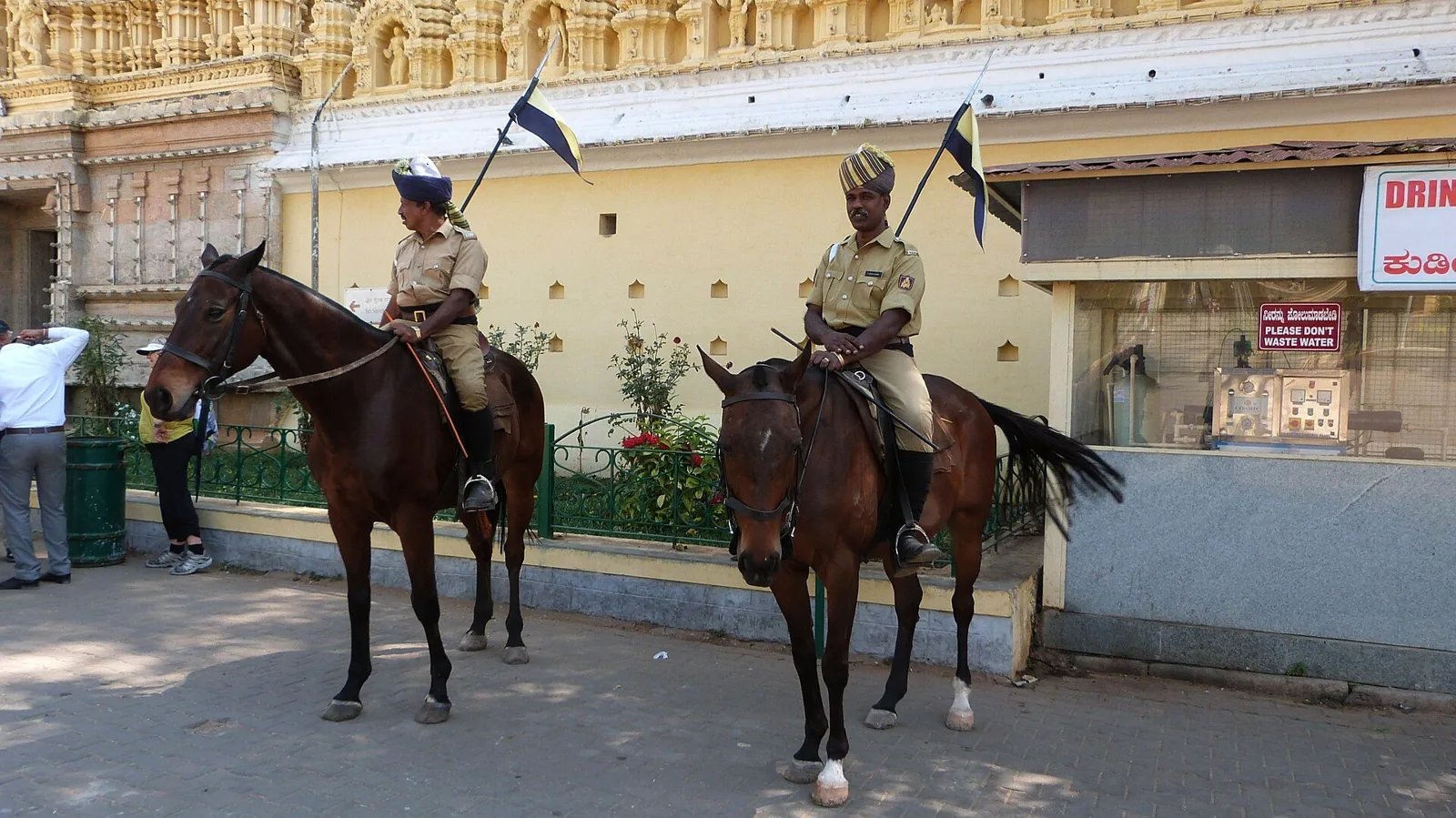
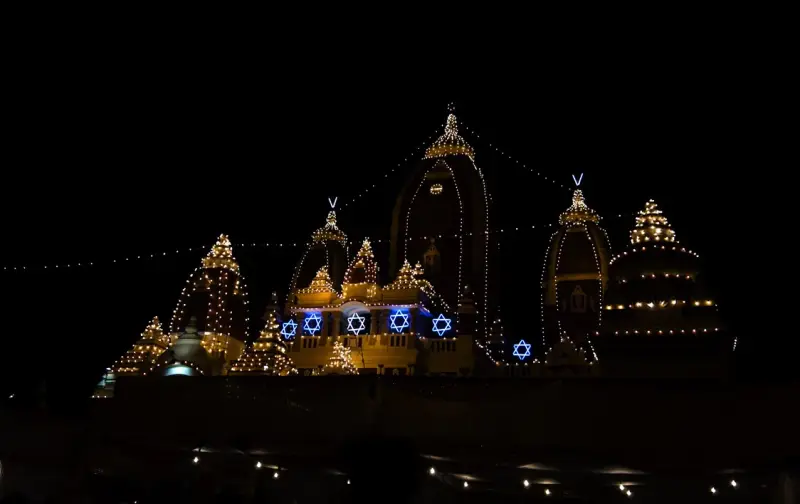
Mysuru is the gentlest city in the state. The palace, Amba Vilas, dates to 1912 and is the centre of everything, with Chamundeshwari Hills, the zoo and Brindavan Garden around it. Karnataka Tourism describes the palace outlined by about 97,000 bulbs during the ten days of Dasara, lit for two hours each evening instead of the usual short spell. On ordinary Sundays and holidays there is a smaller illumination in the early evening.
Dasara runs from the nine nights of Navaratri to Vijayadashami, ending in the Jamboo Savari procession. Karnataka Tourism places it in September or October while Incredible India says October or November, so confirm the dates before booking, and book hotels early because the whole city fills.
Belur, Halebidu and Shravanabelagola
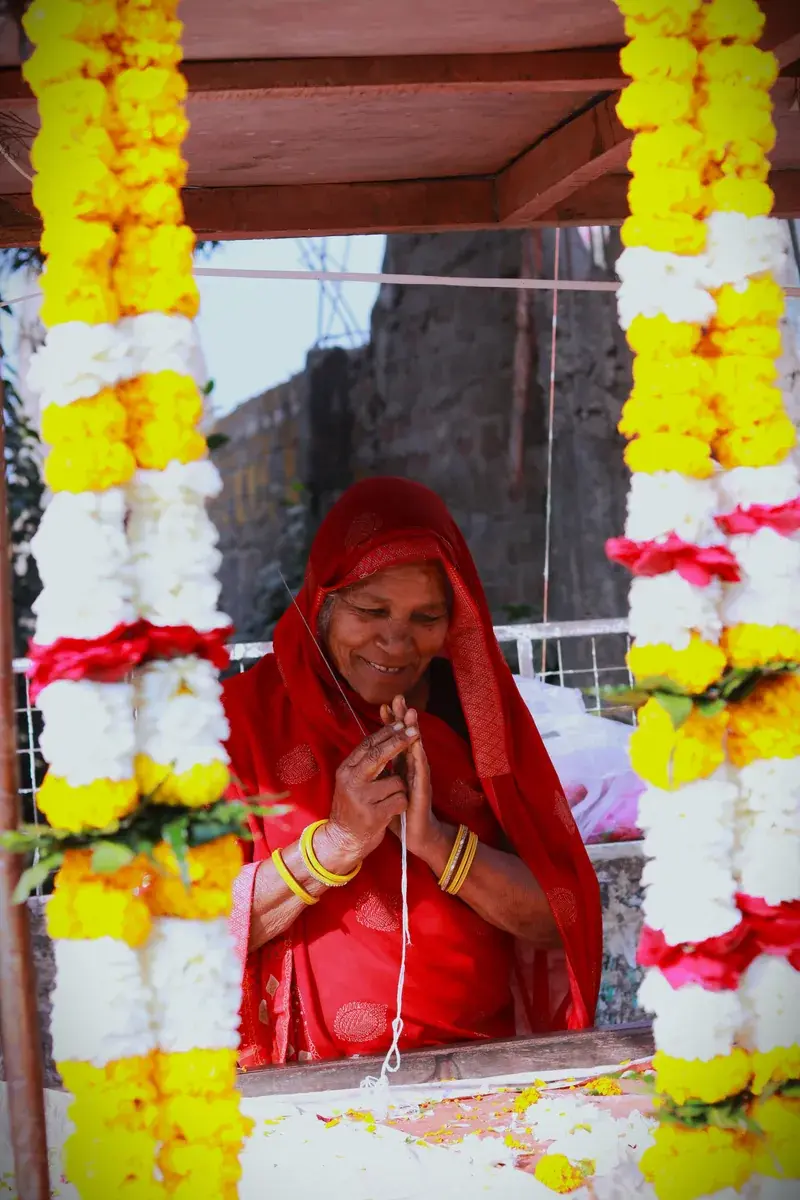
Hassan, at about 934 m, is the base for the Hoysala temples. Outlook Traveller dates Belur's Chennakesava Temple to 1117 and Halebidu's Hoysaleswara Temple to the 12th century, and both are famed for soapstone sculpture of gods, animals and celestial figures. Shravanabelagola, nearby, has a Bahubali statue Outlook Traveller gives as 57 feet and 981 CE, where Incredible India has the Gommateshwara figure at 58 feet, and Karnataka Tourism says about 600 steps lead up to it. Plan comfortable shoes and an early start.
Hampi and the northern Chalukya sites
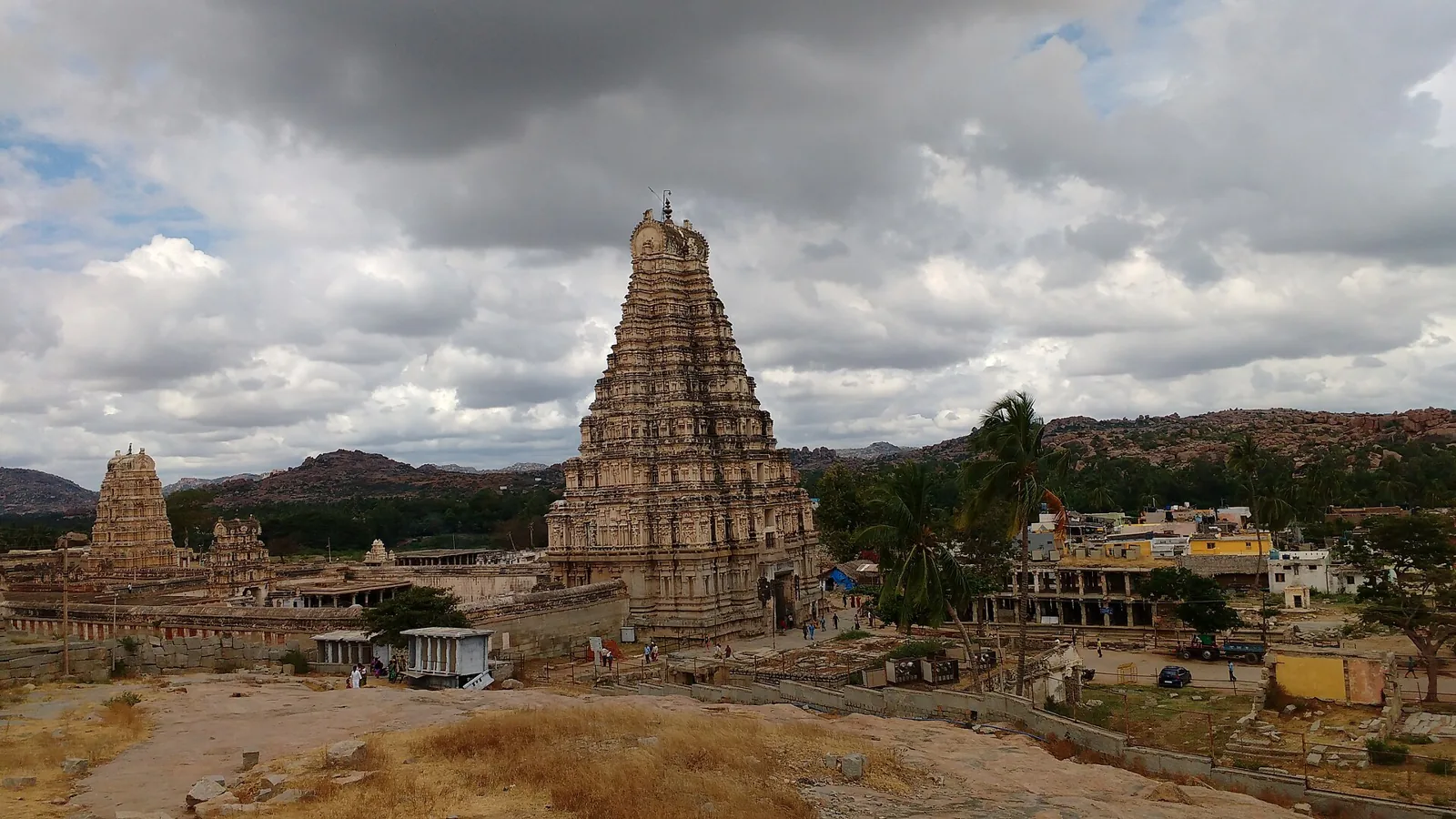
Hampi is the state's signature. Karnataka Tourism recommends October to February and about three days, and gives about 340 km from Bengaluru, with Hospete 12 km away as the station and bus hub. Read the [Hampi guide](/blog/hampi-travel-guide) and the [Hampi 2 day plan](/blog/hampi-2-days-itinerary) before you go.
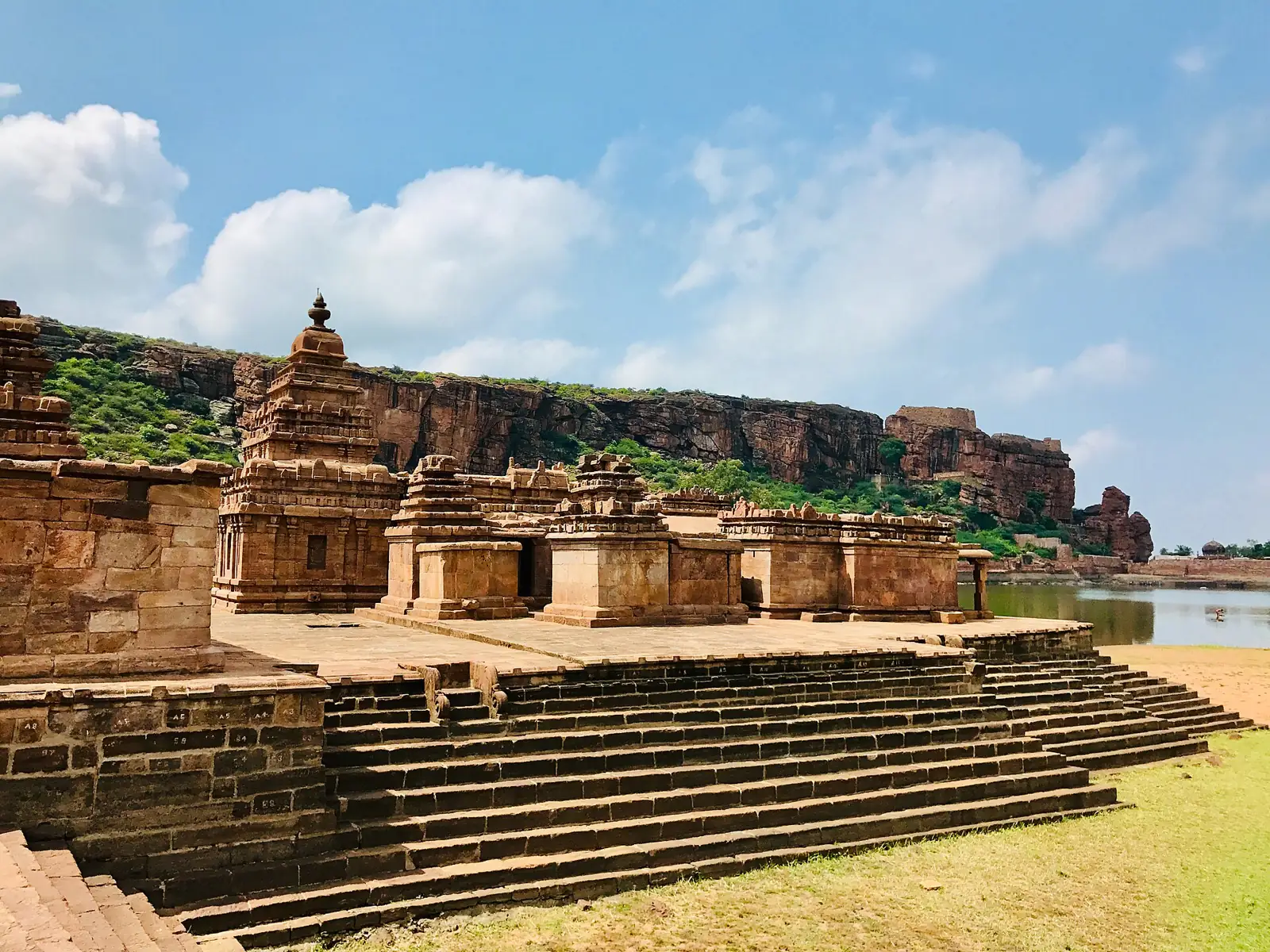
Further north lie Badami, Aihole and Pattadakal, where Chalukya architects experimented with temple forms 1,300 years ago. They deserve their own trip: see the [Badami, Aihole and Pattadakal guide](/blog/badami-aihole-pattadakal-travel-guide). Further still, Outlook Traveller lists Gol Gumbaz in Vijayapura, built in 1656, with a whispering gallery, and Bidar Fort, a 15th century Bahmani stronghold with the tile-decorated Rangin Mahal.
The Ghats: Coorg, Chikmagalur, Agumbe and Jog
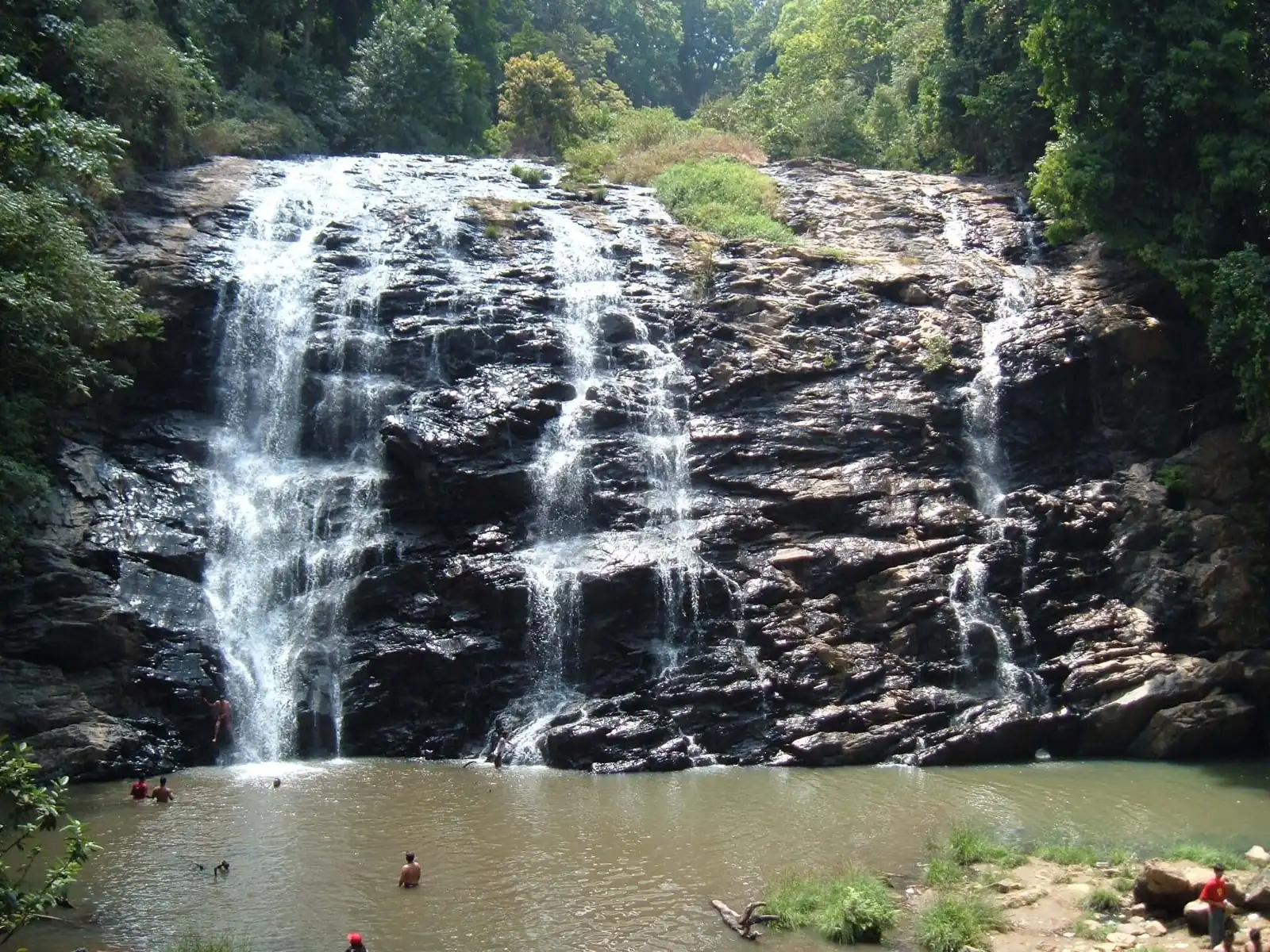
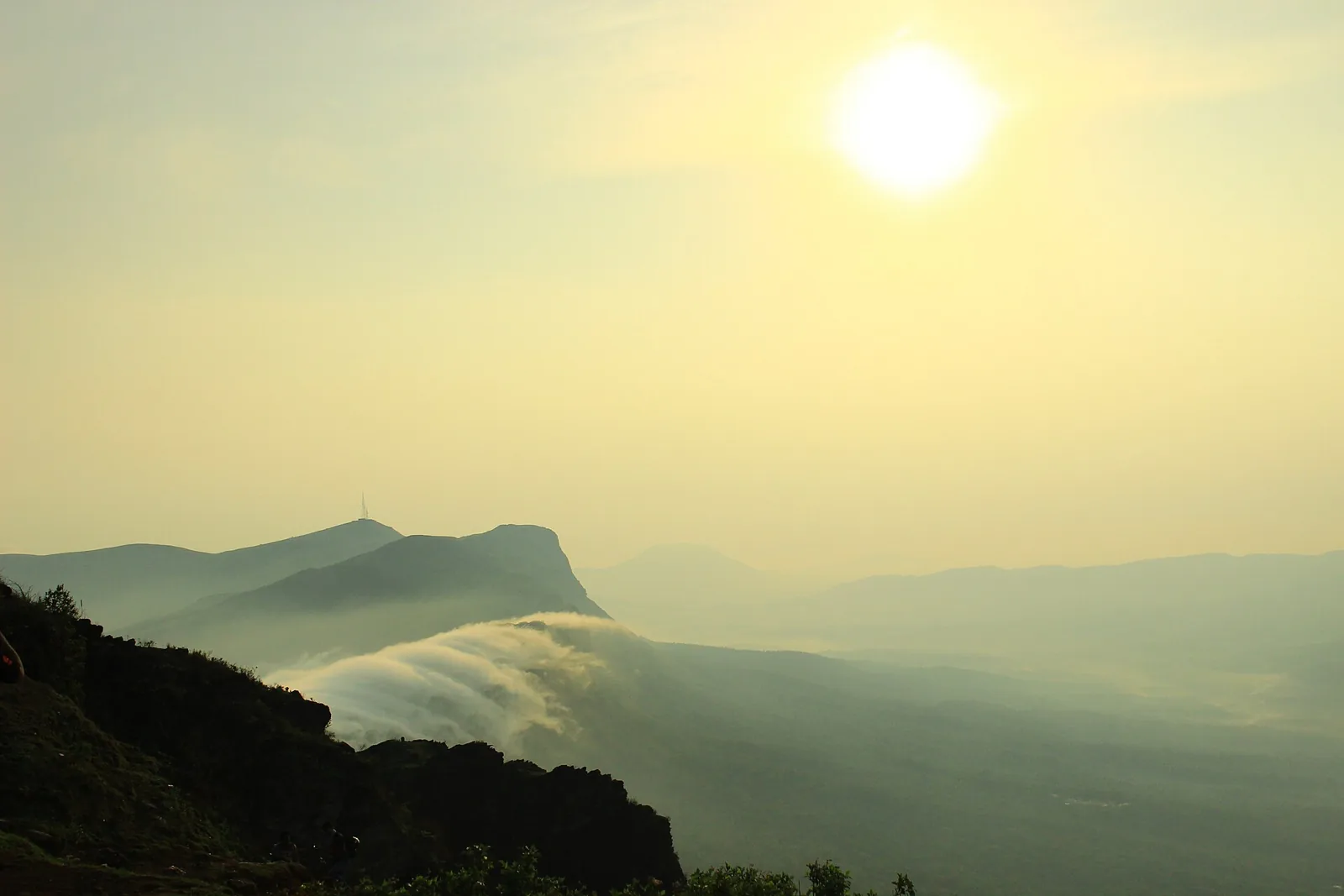
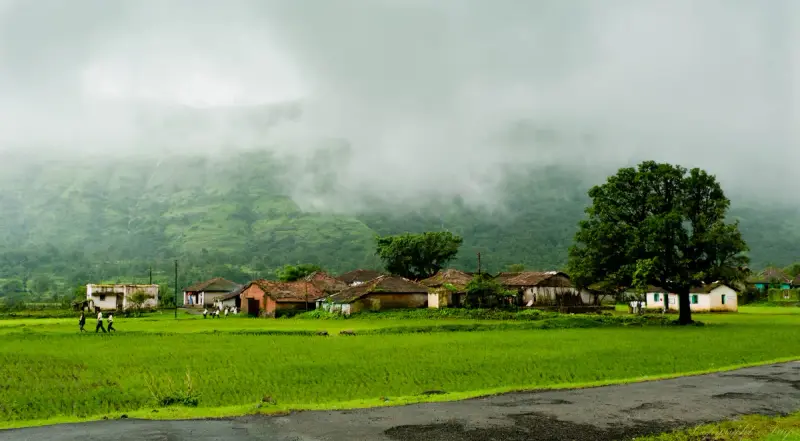
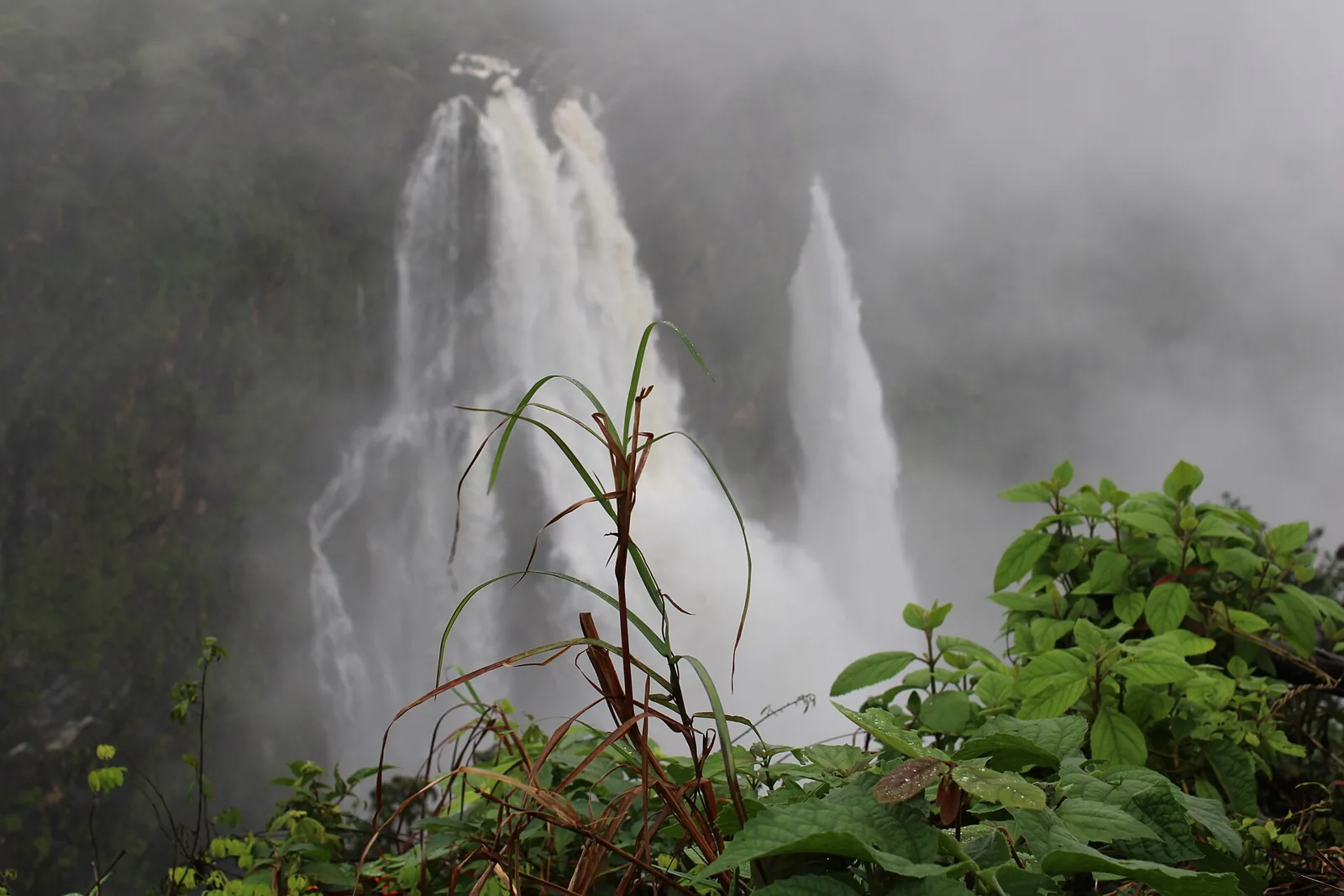
The hills run down the western side and they are at their best when wet and misty. Incredible India names Coorg, Chikkamagaluru, Sakleshpur, Kemmanagundi and Agumbe, and notes that Karnataka produces about 70 percent of India's coffee. Karnataka Tourism says the southwest monsoon arrives in June and lasts through September, with most waterfalls peaking from July to September.
The same page warns that hill roads can close for a time after heavy rain, leeches are common on forest trails and river crossings and waterfall bases are to be avoided in downpours. Jog Falls, which it gives as 253 m, splits into four cascades in the rains, and the climb down to the base is 1,400 slippery steps. Details on the hills are in the [Coorg](/blog/coorg-travel-guide) and [Chikmagalur](/blog/chikmagalur-travel-guide) pages.
The coast
Incredible India lists Gokarna's Om and Kudle beaches, Murudeshwar's Shiva temple and Mangaluru's old temples. For temple towns on this stretch, see [Udupi](/blog/udupi-krishna-matha-guide) and [Mangaluru and Dharmasthala](/blog/mangaluru-and-dharmasthala-travel-guide). Avoid the peak of the monsoon if you want beaches.
Season, and how to cover it
For monuments, October to February is the dependable window, with Karnataka Tourism giving 18 to 28 degrees for Badami, while March to May tops 40 in the north. For waterfalls, July to September. From Delhi you will want to fly to Bengaluru, or to Hubballi for the north, or ride the rails for the long haul, then drive on the ground.
Laladham from Delhi
Laladham picks you up in Delhi, from the airport, a station, your home or hotel, arranges the flight or train for the long leg and a driver for the rest, and plans a complete Karnataka trip around the regions you choose. Send your dates through the [book page](/book) and ask for a quote.
Questions, answered
What is the best time to visit Karnataka?
October to February suits monuments and cities. July to September suits waterfalls and the Ghats, with caution on hill roads.
How far is Hampi from Bengaluru?
Karnataka Tourism gives about 340 km.
Can I cover north and south Karnataka in one short trip?
Not comfortably. Badami to Bengaluru alone is about 450 km, so split the state into a southern loop and a northern heritage trip.
When is Mysuru Dasara?
Sources say September or October, with Incredible India saying October or November. Check the announced dates.
Which UNESCO sites does Karnataka have?
Incredible India names Hampi and Pattadakal.