This is an overview of what is worth a stop, roughly in the order you meet it going north from Delhi, with the facts that official pages give and the ones you should check at the gate.
Sultanpur: the wetland on Gurugram's doorstep
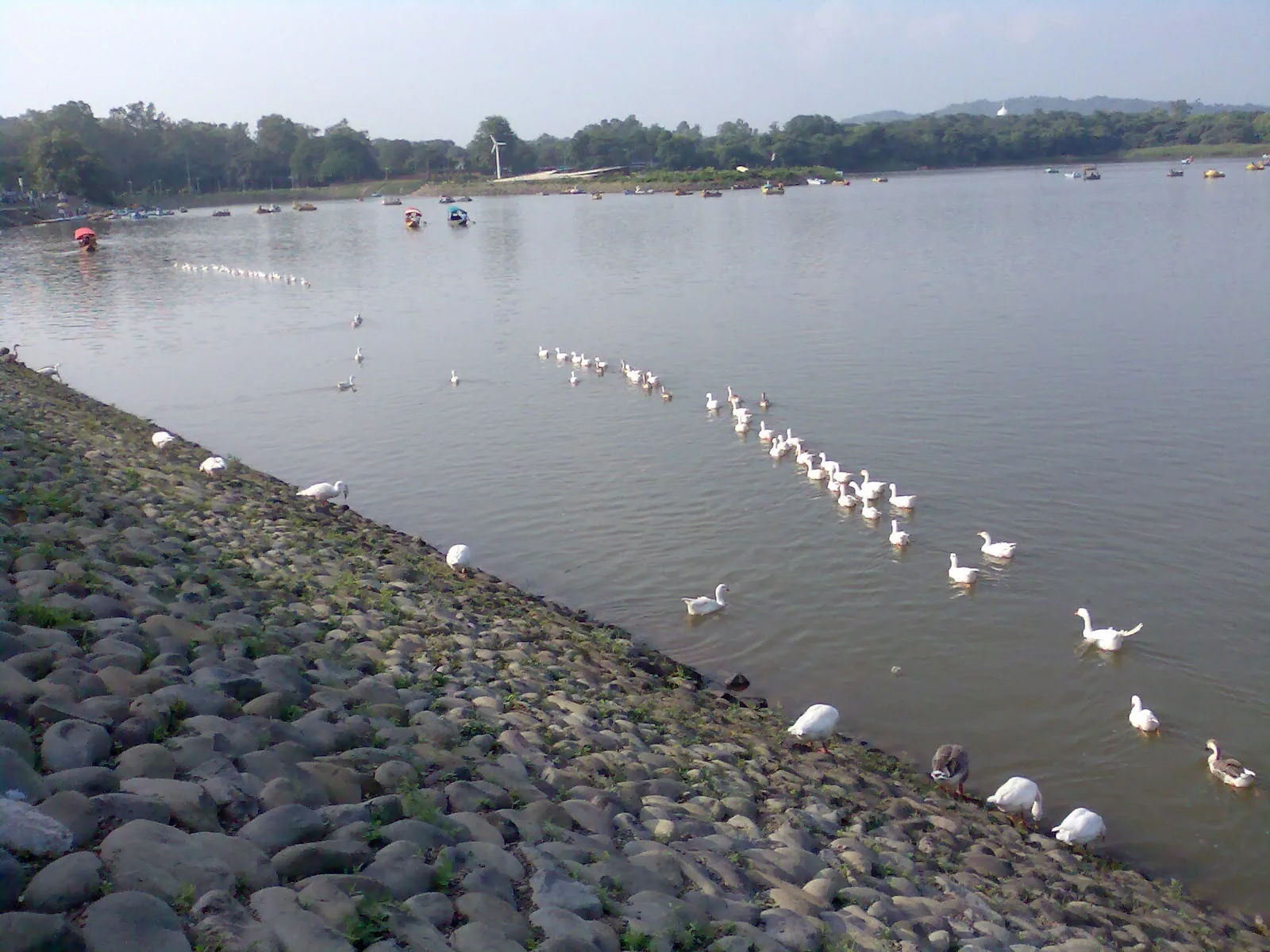
Sultanpur is the closest wild place to Delhi that is worth the early alarm. The forest department puts it about 50 km out of Delhi, 15 km from Gurugram, on the Gurgaon to Farrukhnagar road. The park is small, 1.42 sq km, which is why you can walk the whole marsh in a morning, and it became a sanctuary on 2 April 1971 before being upgraded to a national park in 1991.

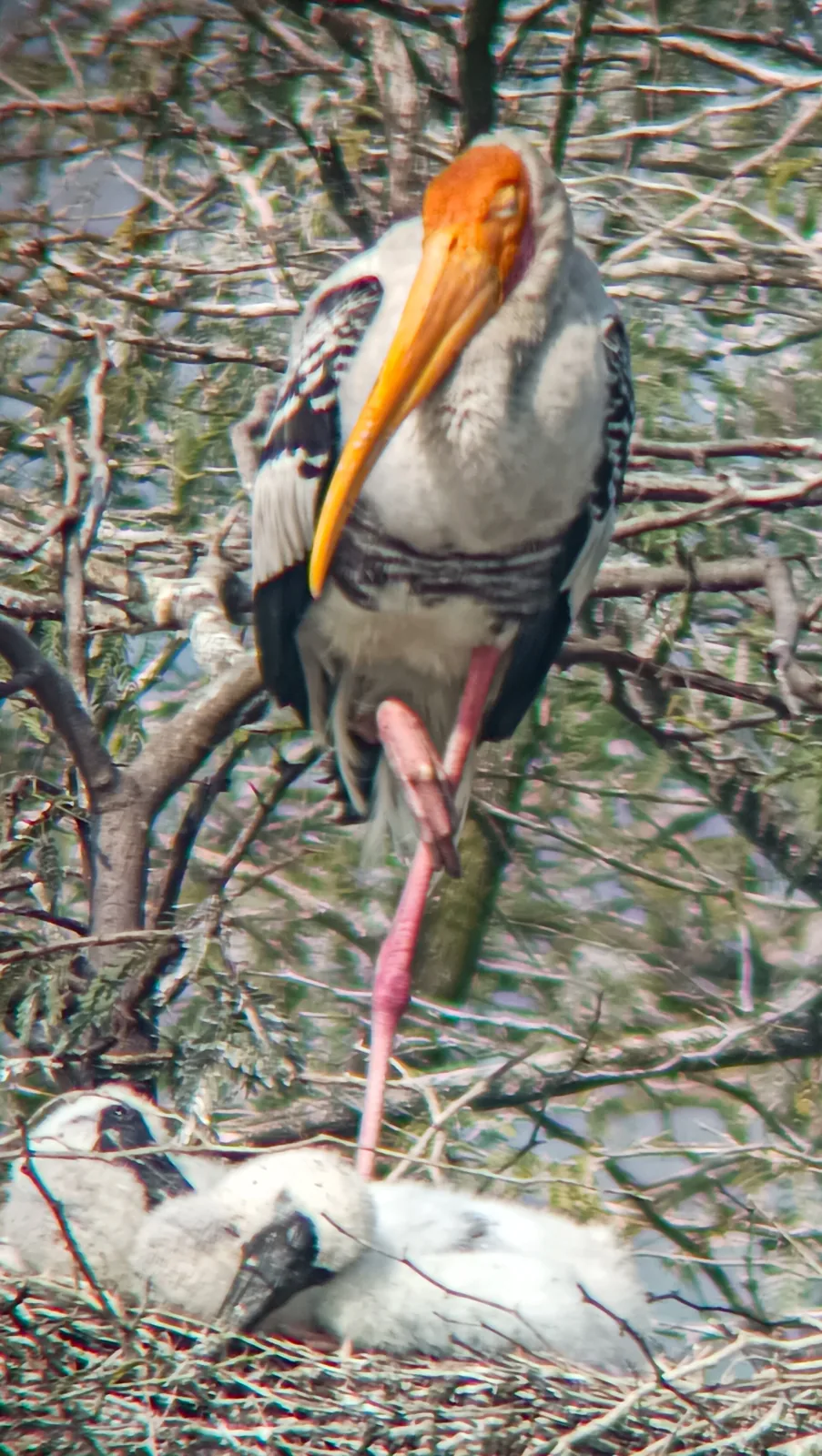
Birds arrive from September and stay until March or April. The forest department names December to February as the best window, with a count of about 250 species that includes Sarus Crane, Painted Stork and Demoiselle Crane. Outlook Traveller describes four watch towers and a trail looping round the central marsh, with boards that explain what you are looking at. Go at first light or in the last hours of the afternoon, bring binoculars and your own water, because the amenities are basic.
Surajkund: crafts in the cold season
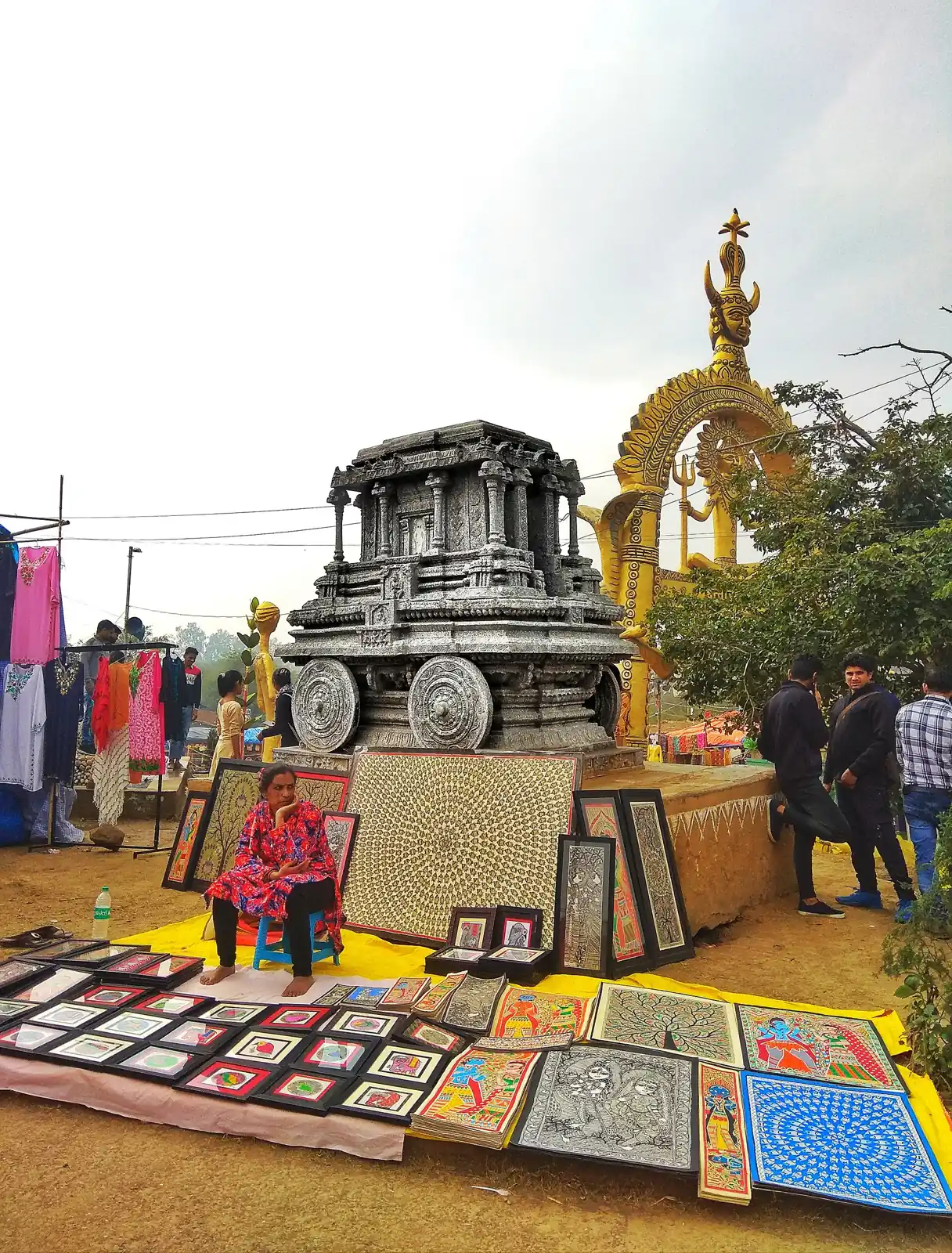
Surajkund, on the edge of Faridabad, is known for its international crafts fair. The edition covered by The Tribune ran from 31 January to 15 February, roughly 10 am to 8 pm, with tickets sold online through Haryana Tourism or at the gates. It sits about 4 to 5 km from Badarpur on the Delhi Metro's Violet Line, so most visitors ride to Badarpur and finish with an auto or e-rickshaw.

Treat it as an afternoon-to-evening outing. Handloom stalls, wood and metal work, and food courts from across the country fill the grounds, and the dates and theme states change each season, so confirm before planning a trip around it.
Panipat: three battles, one quiet park
Panipat is about 90 km north of Delhi on NH-44, and Incredible India recommends October to March. The town's fame is military. Kabuli Bagh Mosque was raised by Babur after the first battle of 1526, and the page calls it the first Mughal monument in India. Ibrahim Lodi, the last Lodhi ruler, is remembered at a tomb in the Tehsil Camp area, and there is a memorial to Hemu, who fought Akbar's forces in 1556.
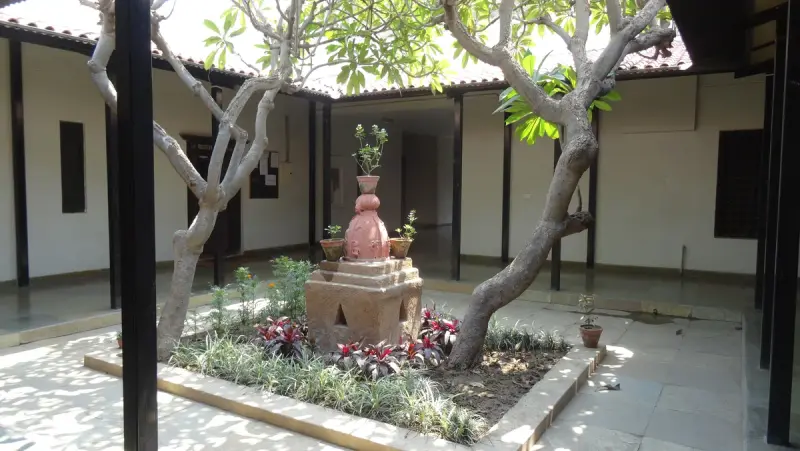
The Kala Amb park is the one that stays with you. Haryana Tourism puts it about 8 km out of the city, and a red obelisk marks where the Maratha commander Sadashiv Rao Bhau fell in 1761. The black mango tree that gave the park its name no longer stands. Families walk the paths today, which makes the place stranger and more affecting than a fenced memorial would be. Panipat is also known for handloom durries and carpets, so leave room in the car.
Kurukshetra, covered properly elsewhere
Kurukshetra deserves its own day and its own page, so rather than squeeze it here, read the [Kurukshetra guide](/blog/kurukshetra-travel-guide) for Brahma Sarovar, Jyotisar and the Panorama, and the [Delhi to Kurukshetra day trip](/blog/delhi-to-kurukshetra-day-trip) for the timing of one long day. The short version for planning: it is roughly 160 km from Delhi, and it works as the middle point of any northern Haryana route.
Pinjore: a garden over a temple
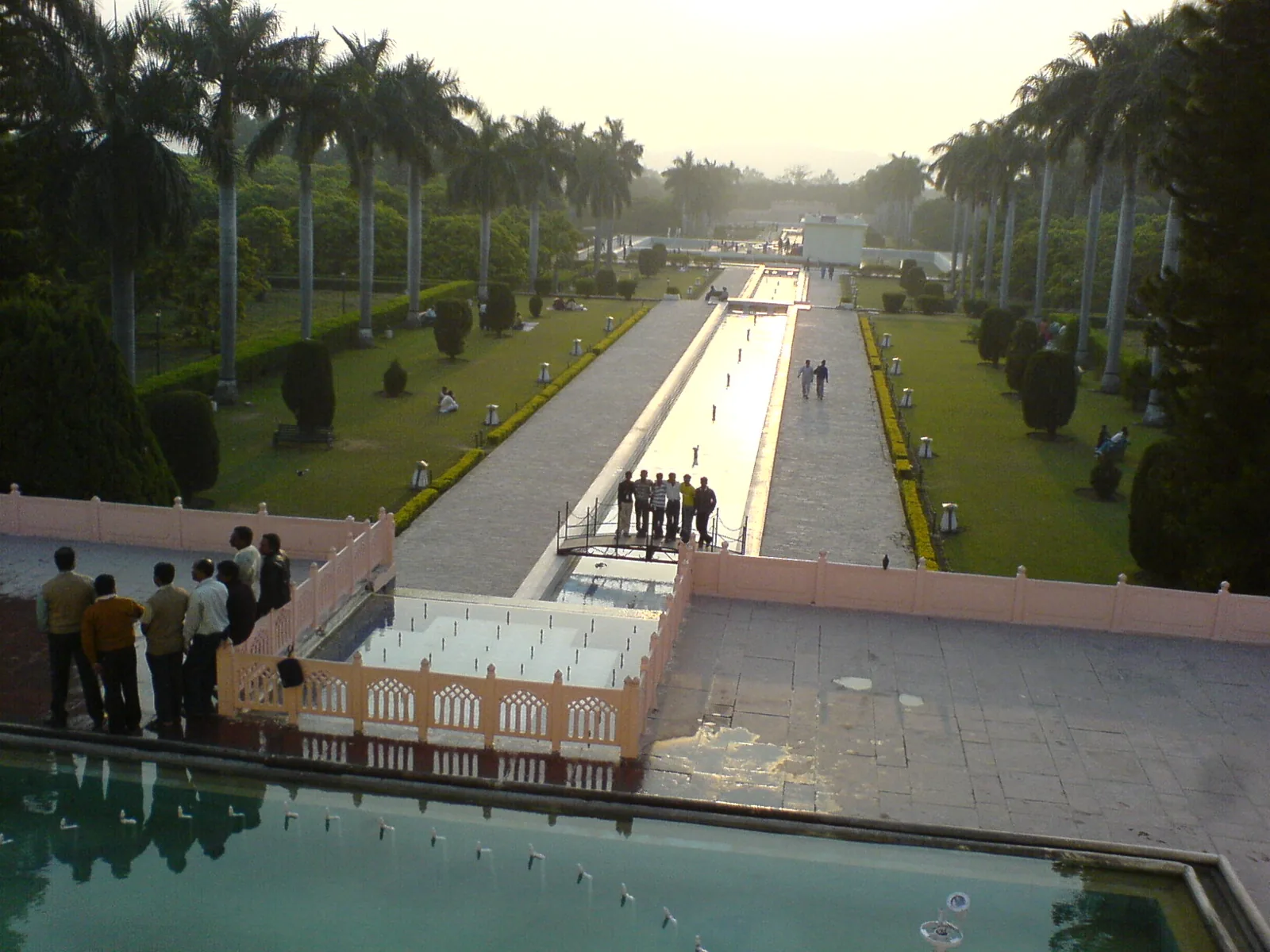
Pinjore is where the plains stop. Haryana Tourism's description of the Yadavindra Gardens runs to about 50 acres, a central channel of fountains, seven terraces and pavilions named Sheesh Mahal and Rang Mahal, a 17th century plan credited to Fidai Khan. The garden hosts three events that Incredible India lists: the Baisakhi Mela on 13 and 14 April, the Mango Mela in June or July and the Pinjore Heritage Festival in December.

The history is under your feet. Haryana Tourism's page on the Bhima Devi temple records that Alexander Cunningham found a 10th century inscription here naming Panchapura, the source of the name Pinjore, and says the neighbouring Mughal garden may have been built from the rubble of a demolished temple. The excavated plinths show a Panchayatan layout, and some sculptures are compared to Khajuraho. The temple remains lie about 10 km from the garden, so it counts as a short drive, not a stroll.
Morni: pines, two lakes and a long drive
Morni is the hill station Haryana is almost shy about. Haryana Tourism places it at 3,600 feet, in the Shivalik foothills of Panchkula district, 45 km from Chandigarh, and says five hours from Delhi; Outlook Traveller says about four, reached by the Delhi to Jaipur Expressway or the GT Karnal road. Believe the longer figure on a weekend.
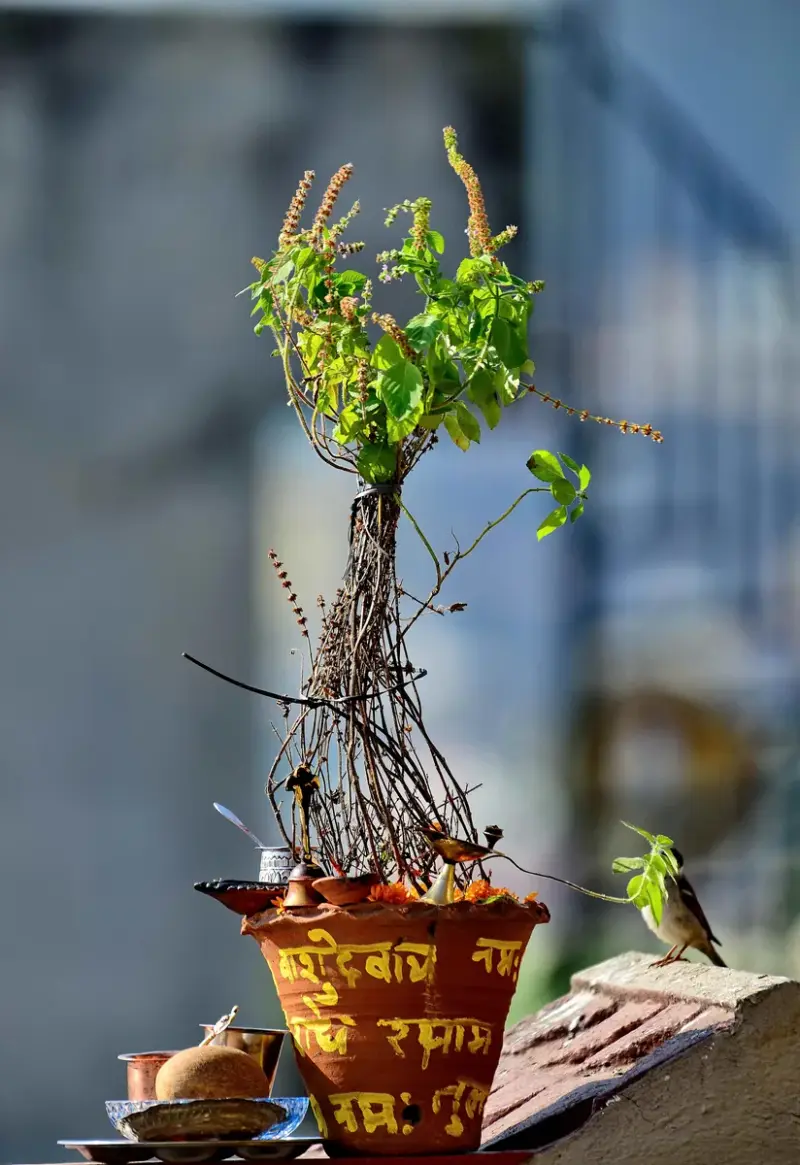
The two Tikkar lakes sit side by side, and the page says the water level in both stays the same even though a hillock separates them. A small lakeside temple holds a Trimurti dated to the 12th century, and there are the remains of an old fort. Treks lead to the lakes, to the fort and, for the more adventurous, down to the Ghaggar. Outlook Traveller adds Gurudwara Nada Sahib, the Thakur Dwar temple and the Karoh Peak trek. Haryana Tourism runs a hilltop resort here, and the lakes are open to camping.

When to go and how to string it together
October to March is the comfortable window for almost all of it, and it coincides with the bird season at Sultanpur and the crafts fair at Surajkund. Summer on the plains is punishing, while the Mango Mela is the one reason to enjoy Pinjore in the monsoon run-up.
Distances argue for two clusters. The south cluster is Sultanpur and Surajkund, each an easy day from Delhi or Gurugram. The north cluster is Panipat, Kurukshetra, Pinjore and Morni, which needs two or three days and a night near the hills. The [Haryana 3 day itinerary](/blog/haryana-3-day-itinerary) lays the northern run out day by day. If you are staying in the capital's southwest, the [Gurugram guide](/blog/gurugram-travel-guide) covers the base for Sultanpur.

Let Laladham drive it
Laladham can pick you up in Delhi, from the airport, a station, your home or hotel, and plan a complete Haryana trip with a driver, the stops sequenced for the hours that suit each place and a hill night if you want one. Tell us your dates on the [book page](/book) and ask for a quote.
Questions, answered

How far is Sultanpur National Park from Delhi?
Roughly 50 km by road, and the park is a short hop beyond Gurugram.
When is the best time for birds at Sultanpur?
Mid-winter is the peak, though migrants are around from early autumn into spring.
How far is Panipat from Delhi?
Incredible India gives about 90 km north on NH-44, and suggests October to March for a visit.
How long does Morni take from Delhi?
Sources differ: Haryana Tourism says five hours and Outlook Traveller about four. Plan for five on a weekend.
What is Surajkund known for?
An international crafts fair held in the cold months in Faridabad, with handicraft and handloom stalls and food courts.