The right order is water first, rooms of tribal art second, and the lanes of the old town last.
Day one morning: the Upper Lake
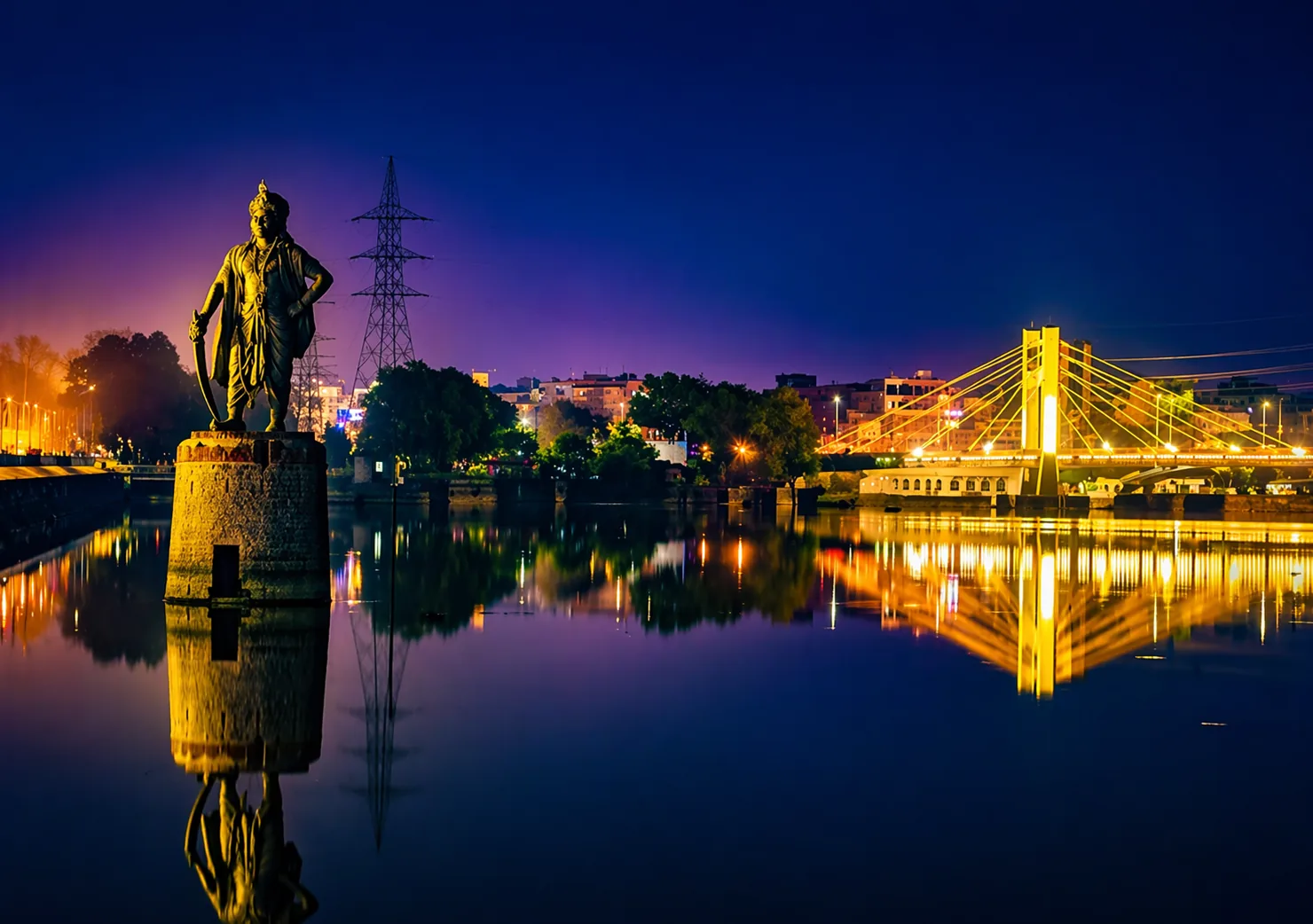
The Upper Lake, Bada Talab, was made in the 11th century under Raja Bhoj and, with the Lower Lake, forms the Bhoj Wetland. Free to visit, it is best at the edge of the morning, when the paddle boats go out (paddle, sail and motor boats are all on offer) and VIP Road fills with walkers. Van Vihar, a park and zoo against the lake, where the tourism board says white tigers show best from July to September, wants an early start and a cap and water bottle.
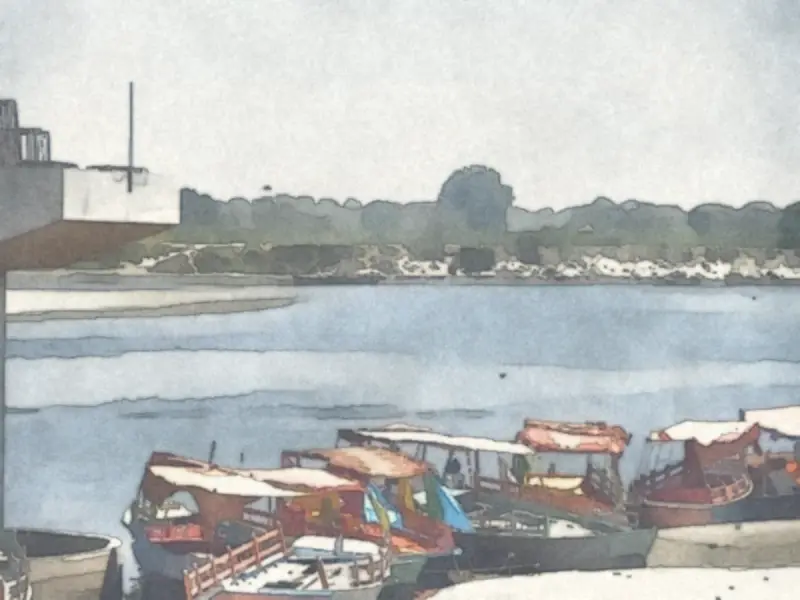
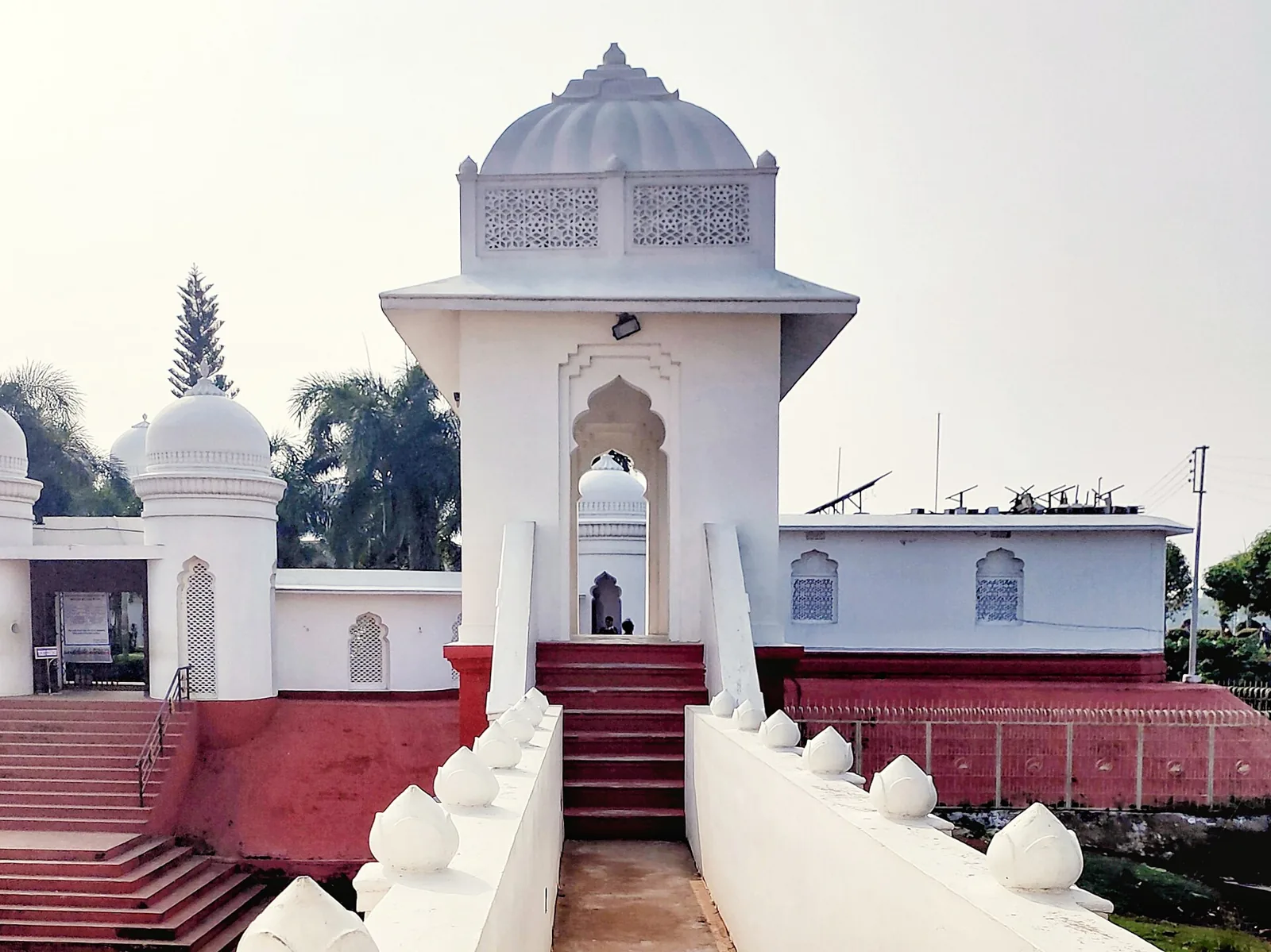
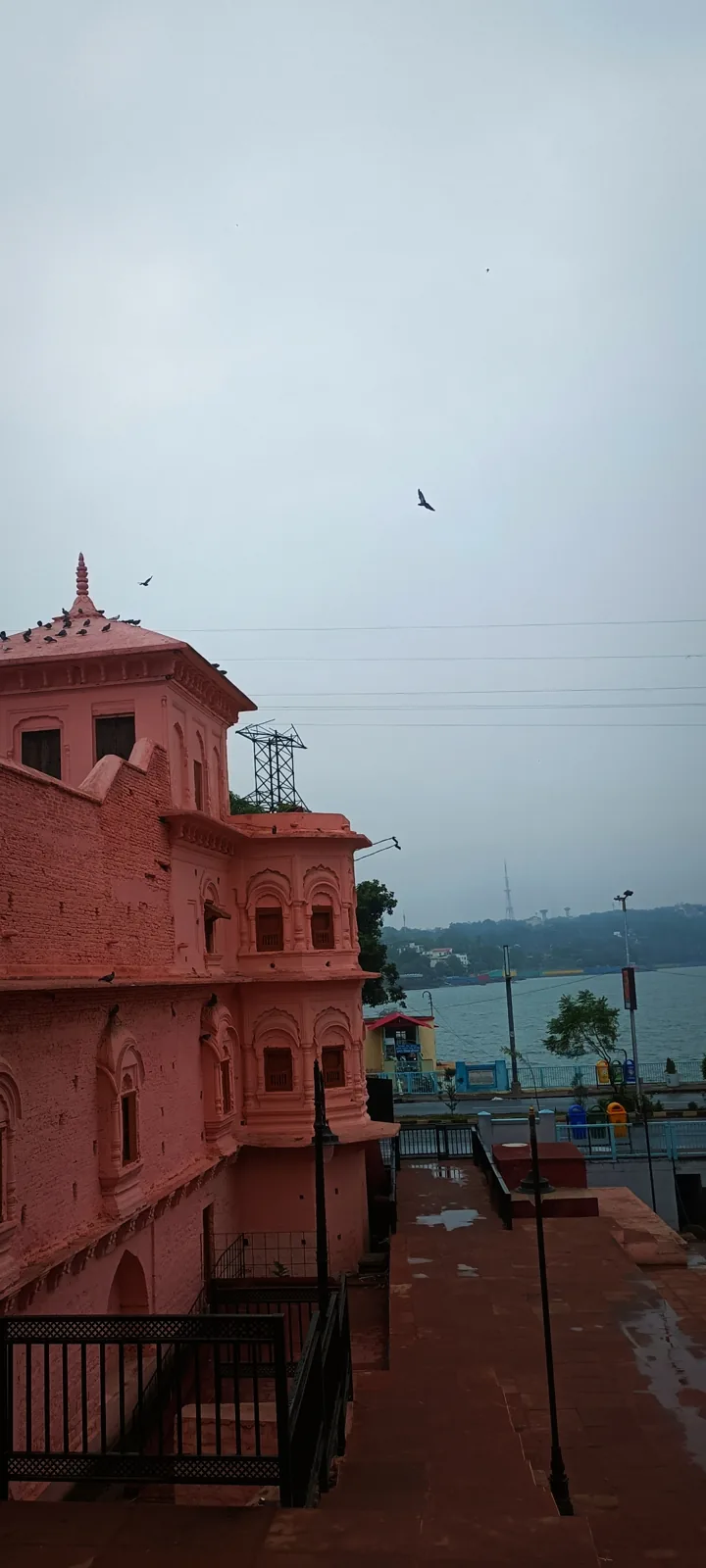
Gohar Mahal, the pink palace over the water in the photograph above and one of three Begum-era palaces with Shaukat Mahal and Sadar Manzil, dates to the 1820s and was built by Gohar Begum, Bhopal's first woman ruler. It is a stop of half an hour, not half a day, and the lakes' dusk light and sound show makes an easy evening follow-on.
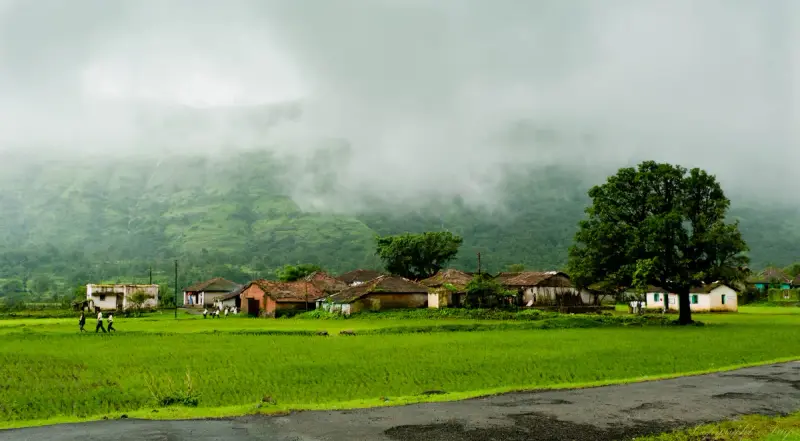
Day one afternoon: three museums, pick two
Shamla Hills holds the heavy hitters. The Manav Sangrahalaya, the Museum of Mankind, covers 200 acres of open-air displays with recreated tribal houses you can walk into, so drive between exhibits rather than walking the whole site. The State Tribal Museum, a short distance on, covers the crafts and culture of seven major communities, among them the Gond, Bheel, Korku and Baiga, in tall bright galleries.
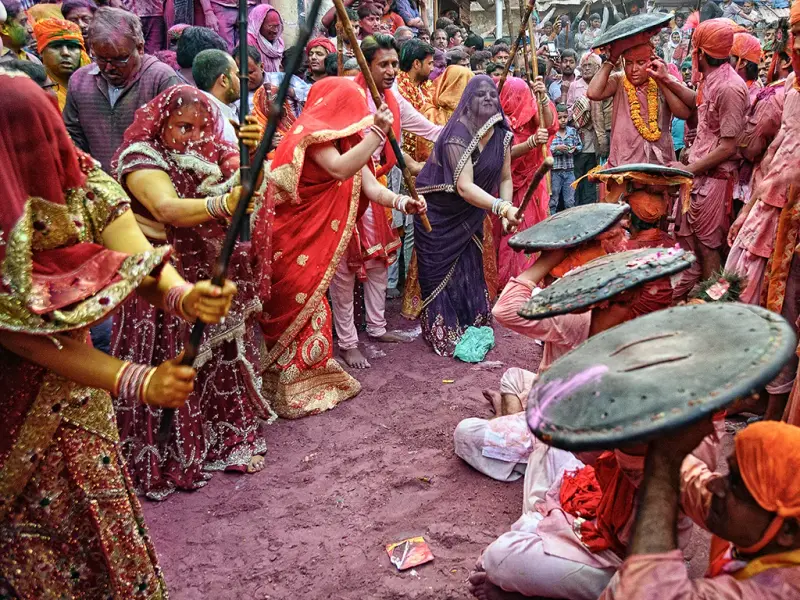
Bharat Bhavan, the arts centre in red sandstone by Charles Correa, is for people who want to sit and look. Opening hours and fees change, so confirm them at each gate. Pick the two that match your interests, and do the third another time.
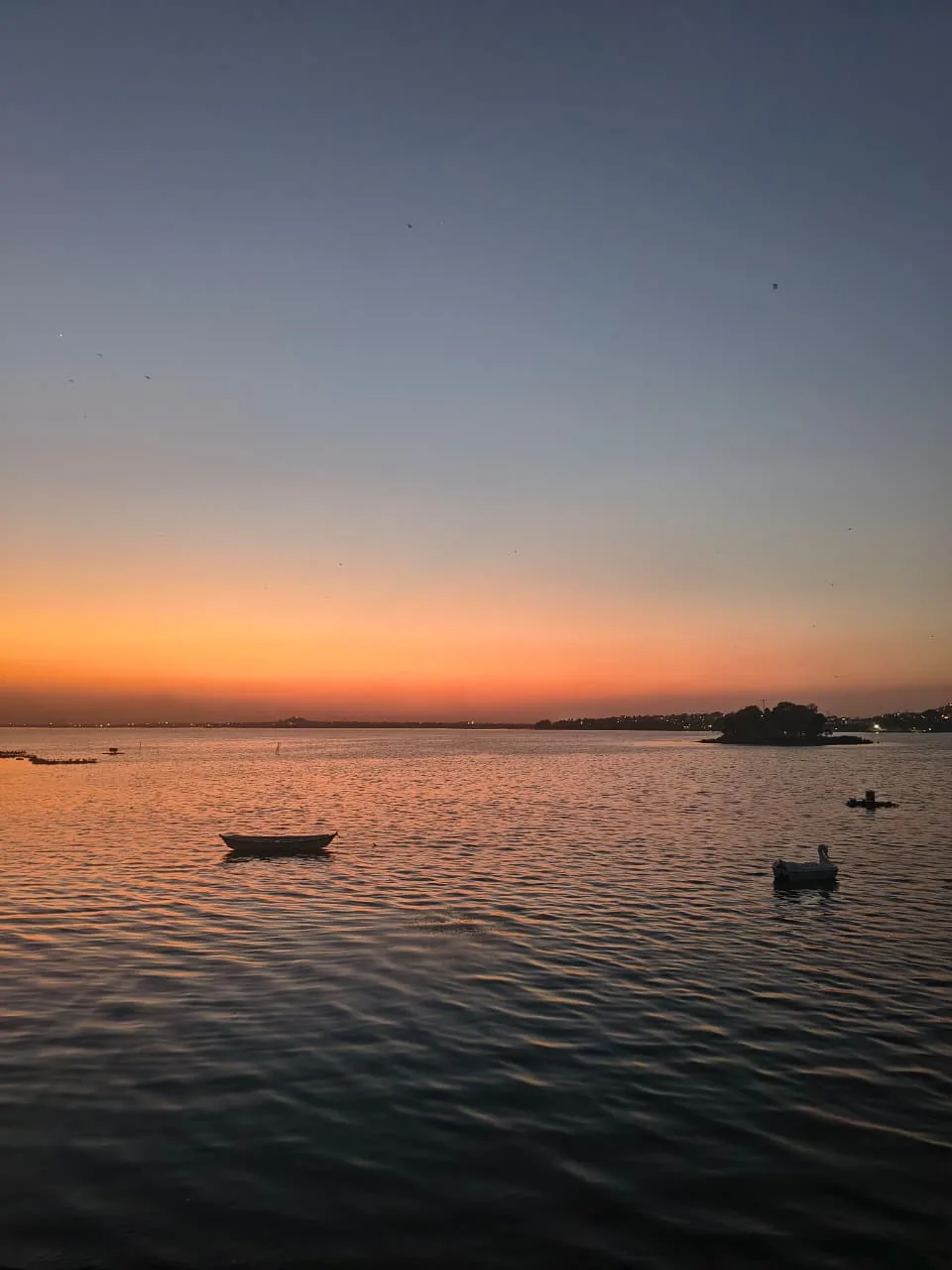
Day one evening: Chowk Bazaar
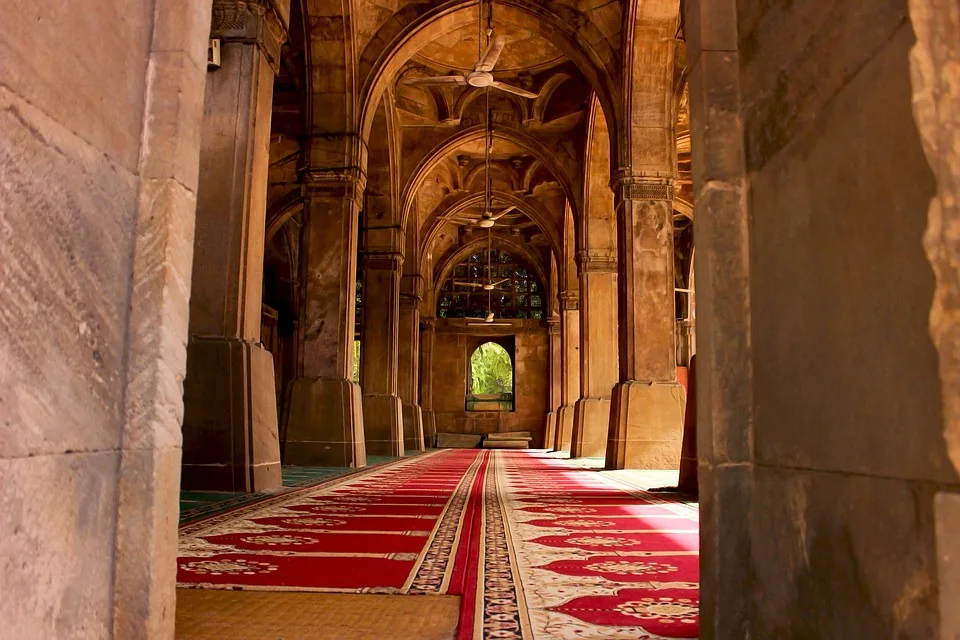
Old Bhopal wakes up at dusk. Around the Jama Masjid and Chowk Bazaar the food is Nawabi: tikka and kebab at Zam Zam on Hamidia Road, and Bhopali gosht korma, slow-cooked mutton. For a vegetarian breakfast the locals' answer is poha with hot jalebi. Manohar Dairy, open since 1970, is known for sweets and chole bhature.
Go with someone local if you can, bargain before you buy, and watch the hygiene at the street stalls.
Day two: Sanchi or Bhimbetka
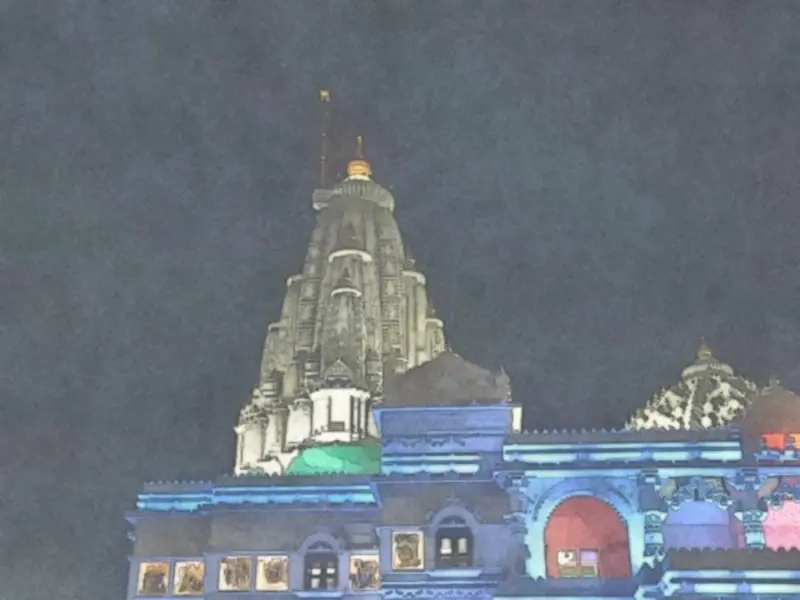
Sanchi is the day trip most people take, about 48 to 50 km from the city. The stupa is the star, and the separate [Sanchi guide](/blog/sanchi-travel-guide) covers the gateways and timings. Bhimbetka, about 45 km away, is the other option, a World Heritage rock-shelter complex holding some of the oldest cave paintings in the country.
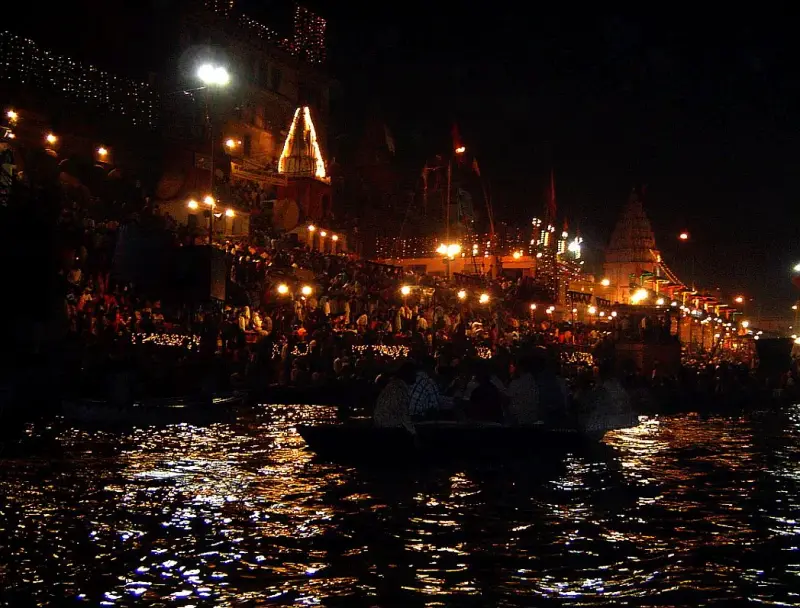
A gentler day trip is Bhojpur, whose unfinished Shiva linga earns it the name Somnath of the East, about 29 km out, where a temple of roughly a thousand years stands beside a hill and draws huge crowds on Shivaratri. Kerwa and Kathotiya, 15 and 25 km out, suit families who want trees and water more than monuments.
When to come
The tourism board suggests August to March; January runs about 6 to 30 degrees, while May reaches 44. The cooler months suit the museums' open-air grounds far better than the heat of April to June, and the monsoon fills the lakes.
Getting there from Delhi
Bhopal Junction, close to Hamidia Road, is the main station, and Rani Kamlapati is the newer one. The airport is about 15 km from the centre. From Delhi this is a train or flight journey rather than a drive, after which a car for the museum circuit and a day trip is worth its price.
Where to sleep
For atmosphere, the lakeside options are the Madhya Pradesh Tourism's Hotel Lake View on a hill above the water, and the heritage Noor-us-Sabah on VIP Road. Choose a room on the lake side, since the old city is a short ride away.
Let Laladham run it
Laladham picks you up in Delhi, from the airport, station, home or hotel, then arranges the train or flight to Bhopal, a driver for the lakes, museums and the Sanchi day, and rooms that suit the plan. Ask for a quote on the [book page](/book).
Questions, answered
How many days does Bhopal need?
Two days cover the lakes, two museums and Chowk Bazaar, and a third day takes in Sanchi or Bhimbetka.
How far is Sanchi from Bhopal?
About 48 to 50 km, roughly an hour by road. A full day is the realistic allowance with the stupa and the museum.
What does Bhopal cost to see?
The lakeshore costs nothing and boat rides are paid on the spot. Museum fees vary, so ask at each entrance.
What should I eat in Bhopal?
Poha with jalebi for breakfast, Bhopali gosht korma and kebabs in the old city, and sweets from long-running dairies.
When is the best time to visit?
August to March, according to the tourism board. May is very hot.
Where is Bhimbetka?
Roughly 45 km out, where the painted rock shelters are a listed World Heritage place.