Stotra · Surya
Aditya Hridayam आदित्य हृदयम्
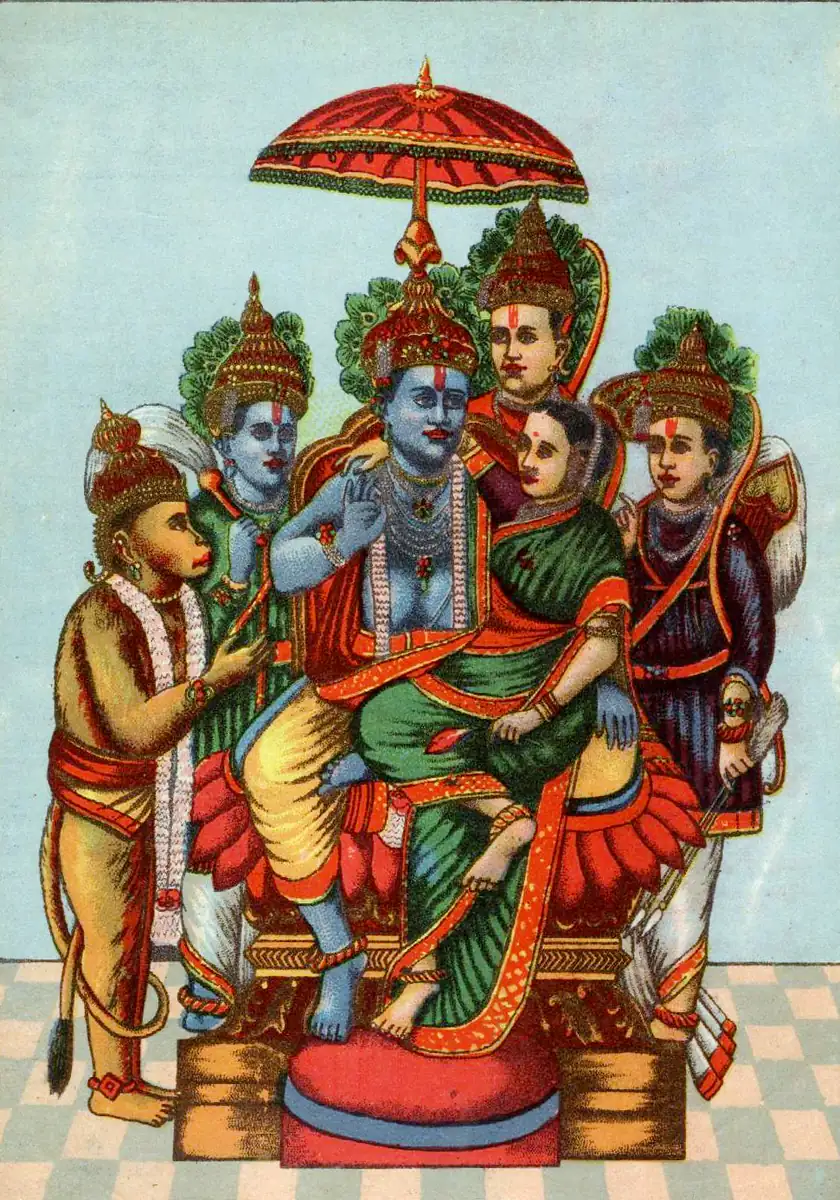
The setting is the battlefield at Lanka.
ततो युद्धपरिश्रान्तं समरे चिन्तया स्थितम्।
रावणं चाग्रतो दृष्ट्वा युद्धाय समुपस्थितम्॥
दैवतैश्च समागम्य द्रष्टुमभ्यागतो रणम्।
उपागम्याब्रवीद्राममगस्त्यो भगवान् ऋषिः॥
राम राम महाबाहो शृणु गुह्यं सनातनम्।
येन सर्वानरीन् वत्स समरे विजयिष्यसि॥
आदित्यहृदयं पुण्यं सर्वशत्रुविनाशनम्।
जयावहं जपेन्नित्यम् अक्षय्यं परमं शिवम्॥
सर्वमङ्गलमाङ्गल्यं सर्वपापप्रणाशनम्।
चिन्ताशोकप्रशमनम् आयुर्वर्धनमुत्तमम्॥
रश्मिमंतं समुद्यन्तं देवासुरनमस्कृतम्।
पूजयस्व विवस्वन्तं भास्करं भुवनेश्वरम्॥
सर्वदेवात्मको ह्येष तेजस्वी रश्मिभावनः।
एष देवासुरगणाँल्लोकान् पाति गभस्तिभिः॥
एष ब्रह्मा च विष्णुश्च शिवः स्कन्दः प्रजापतिः।
महेन्द्रो धनदः कालो यमः सोमो ह्यपां पतिः॥
पितरो वसवः साध्या ह्यश्विनौ मरुतो मनुः।
वायुर्वह्निः प्रजाप्राण ऋतुकर्ता प्रभाकरः॥
आदित्यः सविता सूर्यः खगः पूषा गभस्तिमान्।
सुवर्णसदृशो भानुर्हिरण्यरेता दिवाकरः॥
हरिदश्वः सहस्रार्चिः सप्तसप्तिर्मरीचिमान्।
तिमिरोन्मथनः शम्भुस्त्वष्टा मार्ताण्ड अंशुमान्॥
हिरण्यगर्भः शिशिरस्तपनो भास्करो रविः।
अग्निगर्भोऽदितेः पुत्रः शङ्खः शिशिरनाशनः॥
व्योमनाथस्तमोभेदी ऋग्यजुःसामपारगः।
घनवृष्टिरपां मित्रो विन्ध्यवीथीप्लवङ्गमः॥
आतपी मण्डली मृत्युः पिङ्गलः सर्वतापनः।
कविर्विश्वो महातेजाः रक्तः सर्वभवोद्भवः॥
नक्षत्रग्रहताराणामधिपो विश्वभावनः।
तेजसामपि तेजस्वी द्वादशात्मन् नमोऽस्तु ते॥
नमः पूर्वाय गिरये पश्चिमायाद्रये नमः।
ज्योतिर्गणानां पतये दिनाधिपतये नमः॥
जयाय जयभद्राय हर्यश्वाय नमो नमः।
नमो नमः सहस्रांशो आदित्याय नमो नमः॥
नम उग्राय वीराय सारङ्गाय नमो नमः।
नमः पद्मप्रबोधाय मार्ताण्डाय नमो नमः॥
ब्रह्मेशानाच्युतेशाय सूर्यायादित्यवर्चसे।
भास्वते सर्वभक्षाय रौद्राय वपुषे नमः॥
तमोघ्नाय हिमघ्नाय शत्रुघ्नायामितात्मने।
कृतघ्नघ्नाय देवाय ज्योतिषां पतये नमः॥
तप्तचामीकराभाय वह्नये विश्वकर्मणे।
नमस्तमोऽभिनिघ्नाय रुचये लोकसाक्षिणे॥
नाशयत्येष वै भूतं तदेव सृजति प्रभुः।
पायत्येष तपत्येष वर्षत्येष गभस्तिभिः॥
एष सुप्तेषु जागर्ति भूतेषु परिनिष्ठितः।
एष एवाग्निहोत्रं च फलं चैवाग्निहोत्रिणाम्॥
वेदाश्च क्रतवश्चैव क्रतूनां फलमेव च।
यानि कृत्यानि लोकेषु सर्व एष रविः प्रभुः॥
एनमापत्सु कृच्छ्रेषु कान्तारेषु भयेषु च।
कीर्तयन् पुरुषः कश्चिन्नावसीदति राघव॥
पूजयस्वैनमेकाग्रो देवदेवं जगत्पतिम्।
एतत् त्रिगुणितं जप्त्वा युद्धेषु विजयिष्यसि॥
अस्मिन् क्षणे महाबाहो रावणं त्वं वधिष्यसि।
एवमुक्त्वा तदागस्त्यो जगाम च यथागतम्॥
एतच्छ्रुत्वा महातेजा नष्टशोकोऽभवत्तदा।
धारयामास सुप्रीतो राघवः प्रयतात्मवान्॥
आदित्यं प्रेक्ष्य जप्त्वा तु परं हर्षमवाप्तवान्।
त्रिराचम्य शुचिर्भूत्वा धनुरादाय वीर्यवान्॥
रावणं प्रेक्ष्य हृष्टात्मा युद्धाय समुपागमत्।
सर्वयत्नेन महता वधे तस्य धृतोऽभवत्॥
अथ रविरवदन्निरीक्ष्य रामं
मुदितमनाः परमं प्रहृष्यमाणः।
निशिचरपतिसंक्षयं विदित्वा
सुरगणमध्यगतो वचस्त्वरेति॥
What it means
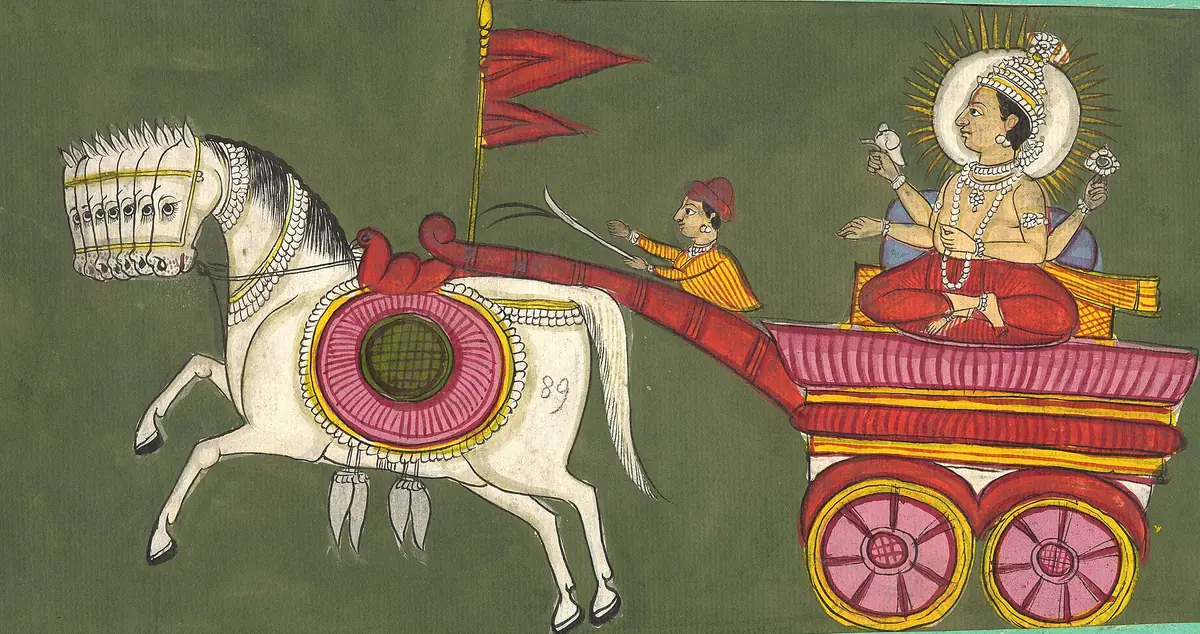
The setting is the battlefield at Lanka. Rama is tired from the long war and stands thinking, with Ravana coming at him. The sage Agastya arrives with the gods who have come to watch, and tells Rama he will teach him an old secret by which he can overcome all his enemies. The secret itself is the heart of the Sun, which gives the hymn its name: holy, destroyer of enemies, victory-bringing, imperishable and supremely auspicious. It removes worry, grief and sin, and lengthens life. Next Agastya names the sun in a long run of titles, as the king of the gods, the ruler of the three worlds, the maker of day and night, the lord of the seasons and the rain, source of Brahma, Vishnu, Shiva, Skanda and Indra, the golden-wombed one who wipes out darkness. He says anyone who recites it in trouble or danger does not sink. Rama, told to say it three times with a steady mind, does so, sips water, takes his bow and goes forward, and the sun, pleased, tells him from among the gods to make haste.
How it is sung
It is chanted in the steady anushtup beat, usually at dawn facing the rising sun. Sunday is the day for it, and Agastya tells Rama to repeat it three times, so three rounds are a common practice. It suits a quiet morning, after a bath, with a lamp or a little water offered to the sun.
Questions, answered
Where is the Aditya Hridayam from?
It is part of Valmiki's Ramayana, in the Yuddha Kanda, where the sage Agastya teaches it to Rama on the battlefield before the final fight with Ravana. That is why Valmiki is named as the composer.
How many verses does it have?
Thirty couplets in the main text, followed by a four-line closing verse in a different metre. Some sites count thirty-one by adding the closing verse, so the totals differ a little.
When should I recite it?
Many people read it on Sunday mornings facing the sun. Agastya advises it especially in times of difficulty or danger.