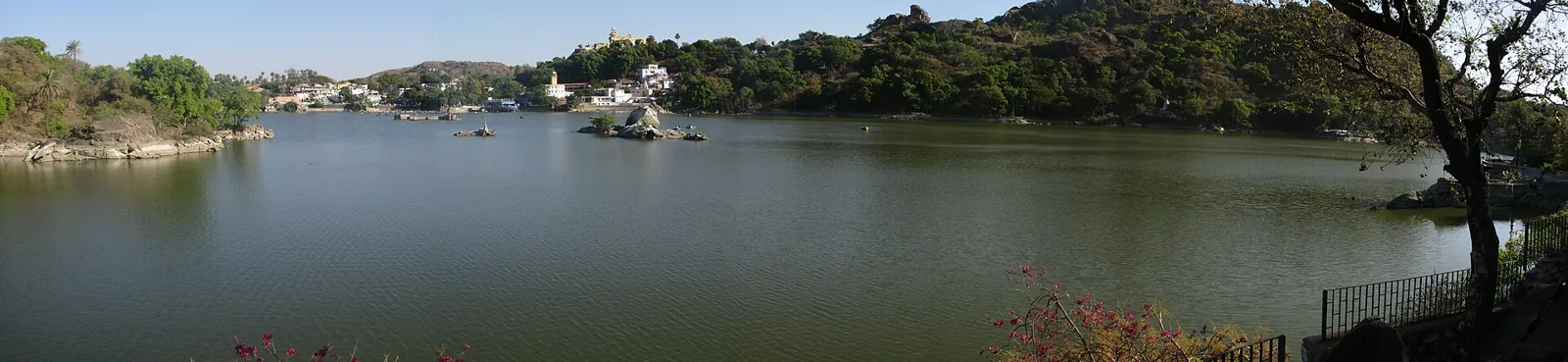
Mount Abu is the odd one out in Rajasthan. Everything else on the map is sand, sandstone and forts, and then the road climbs a ghat out of the plains and you are among trees, mist and cool air. Almost every account written by people who have been says some version of the same two things: the Dilwara carving was far finer than they expected, and the town itself is smaller and more crowded on weekends than the brochures suggest.
That second point shapes this plan. Gujarat families drive up in numbers, so the lake promenade and the market get loud on Saturdays and holidays, while the early mornings and the middle of the week stay calm. One writer who took the road up on a Sunday described a steady line of private cars on the bends. The days below put the busy places at the hours when they are quiet, and keep the Dilwara temples to the window in which they are actually open to visitors.
It suits couples, families with children, and parents who want fresh air without trekking. It is a gentle trip with two long walks you can shorten. With a car and driver for the whole stay you skip the haggling over local taxis, which several writers mention as the tiring part of doing it alone.
From your pickup
Same trip, four starting points. Road times are real driving times; a long drive becomes its own travel day so nobody arrives wrecked.
Day by day
Day 1 · night in Mount Abu
Arrive, walk round Nakki Lake, then climb for the evening
Abu Road to Mount Abu, about 28 km of ghat road
The last stretch up from Abu Road is the first thing you notice: switchbacks, then pines, then a drop of several degrees. Check in and rest. Nobody gets anything out of rushing a hill station on the first afternoon.
Walk down to Nakki Lake once the heat of the day has gone. The lake is ringed by a promenade, with small rocky islets and a rock that looks like a toad sitting on the shore. Boats are available and the rowing is slow; one writer who paid for about half an hour called the lake smaller than Nainital's but pleasant on a breezy day. Another visitor, in December, liked it best at night when the town lights lay on the water and the hills went dark behind. Take tea at one of the lakeside tables. A traveller who did that praised the breeze more than the menu.
If the sky is clear, go to Sunset Point an hour before dusk. The walk up takes roughly twenty minutes, and there are carts for people who cannot manage it. Expectations matter: one visitor found the sun itself unremarkable but enjoyed the pastel colours after, and a December traveller liked the same spot at sunrise instead. Dinner at the stay.
- Nakki Lake
- Toad Rock
- Sunset Point
Carved ceiling at Dilwara Day 2 · night in Mount Abu
Guru Shikhar early, Dilwara at the opening hour
Mount Abu to Guru Shikhar, about 15 km each way
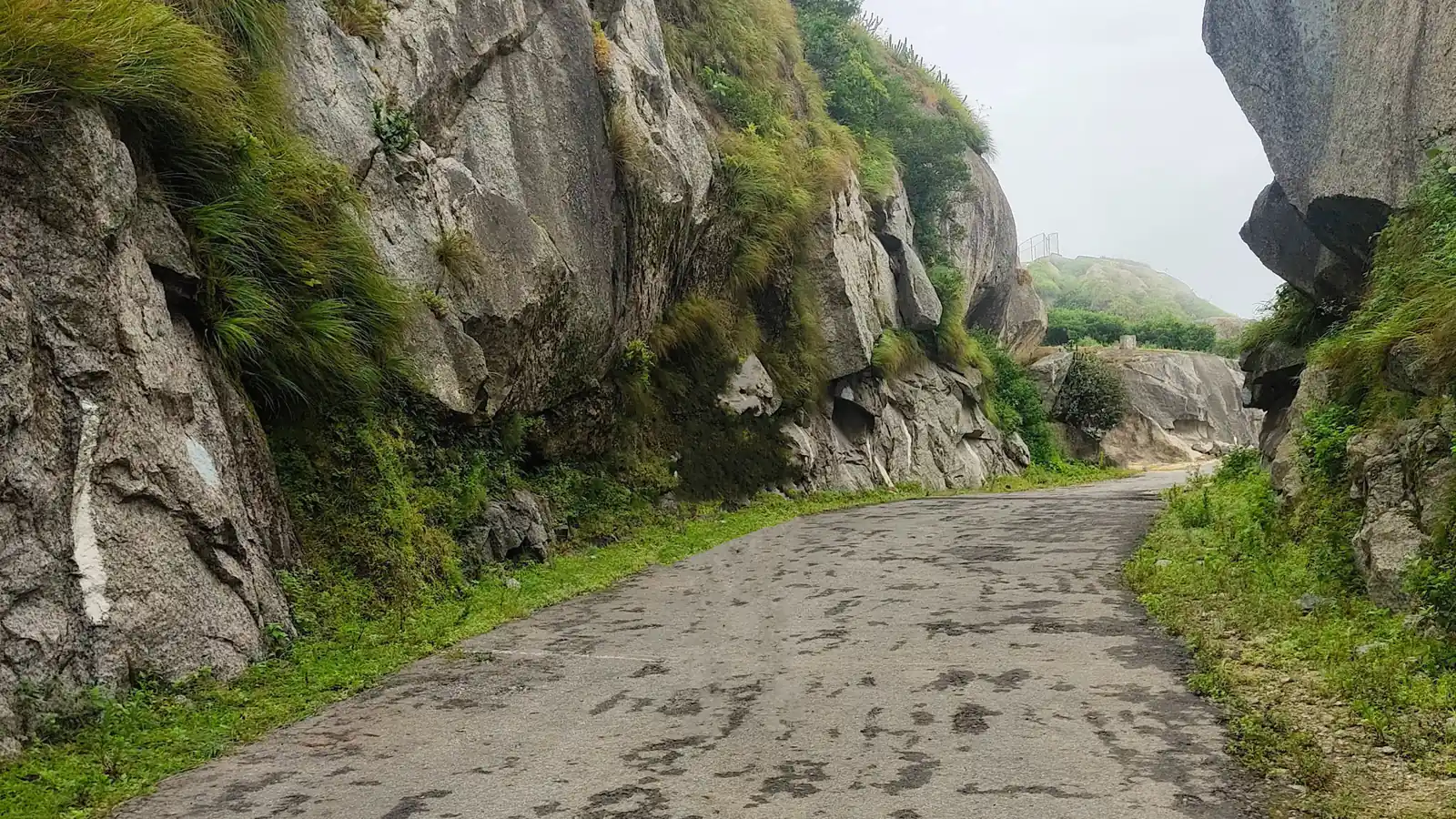
Leave straight after breakfast for Guru Shikhar. It is the highest point of the Aravalli range, and the official page puts it at 1,722 metres. The road is scenic and winding, and weather is the gamble: a December visitor got the only sunny hour of the trip up there before rain moved in, while another writer who went on a clear Sunday saw lower peaks all around and the plain far below. Aim for early and do not wait for the afternoon to improve.
The final stretch to the temple is a flight of rock-cut steps, which the tourism page counts at about three hundred. Take them slowly. At the top there is a small temple to Guru Dattatreya, a bell dated to the fifteenth century which visitors ring on arrival, and caves said to hold the sage's footprints. A scientific observatory stands nearby. Hawkers on the way sell buttermilk and cut fruit, which one cyclist who made the climb said he was grateful for.
Come down for a late lunch and rest, because the Dilwara temples are not open to tourists in the morning. Worship by Jain devotees fills those hours, and visiting hours for everyone else start around midday. Go as the doors open to you, not at three. The rules are strict and printed on the official page: cameras, phones and leather items stay outside, and your clothes must cover shoulders and knees.
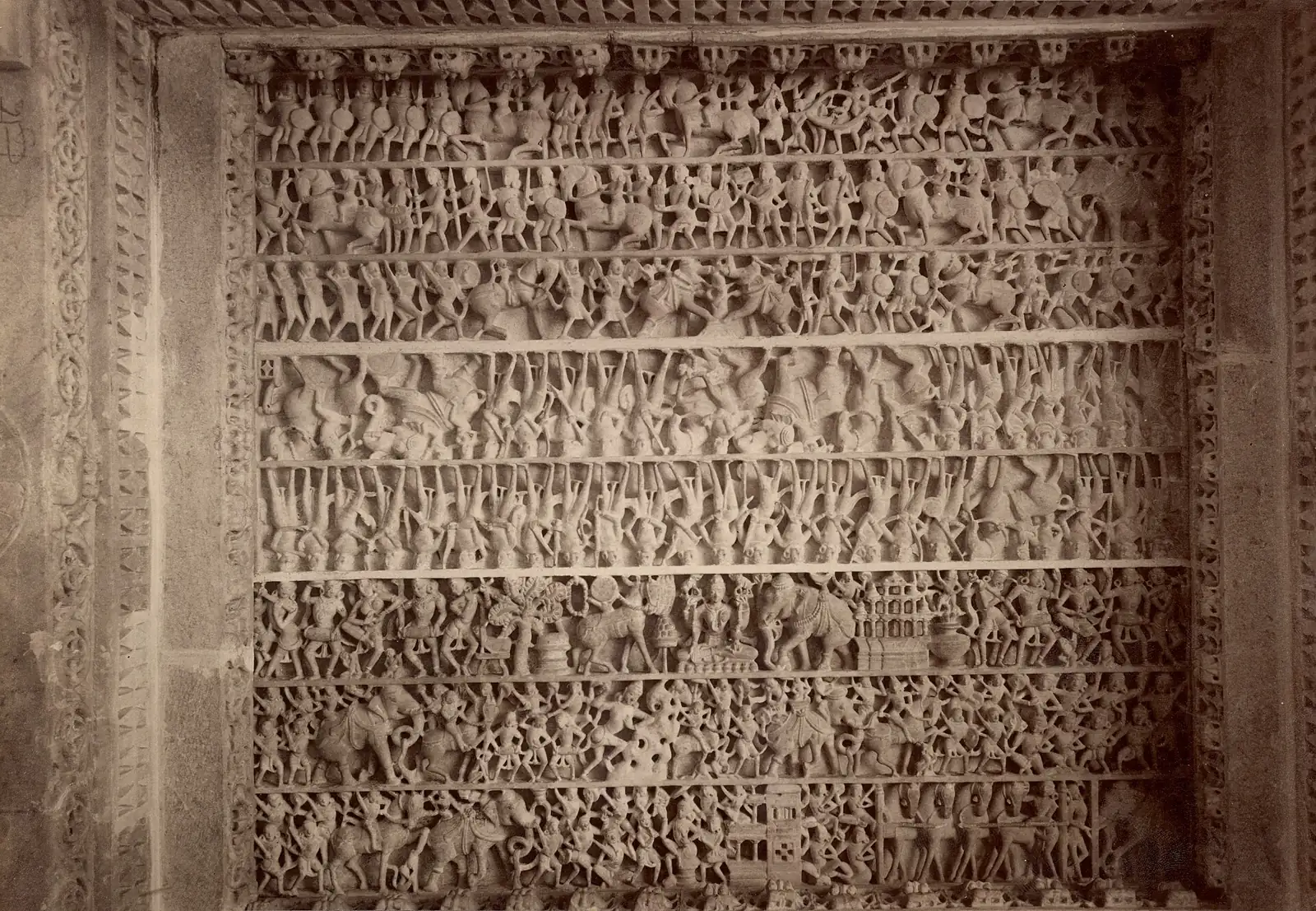
Inside, look at the ceilings and corners as well as the pillars. Writers who went say it is worth the whole journey to Abu, and one wrote that it was worth going even if temples are not normally your thing. Ask for a guide at the entrance: one traveller said guides explain the story of each temple at no charge, while another asked a priest to walk him round. Plan on two hours or more, and look up as often as you look straight ahead.
- Guru Shikhar
- Guru Dattatreya temple
- Dilwara Jain temples
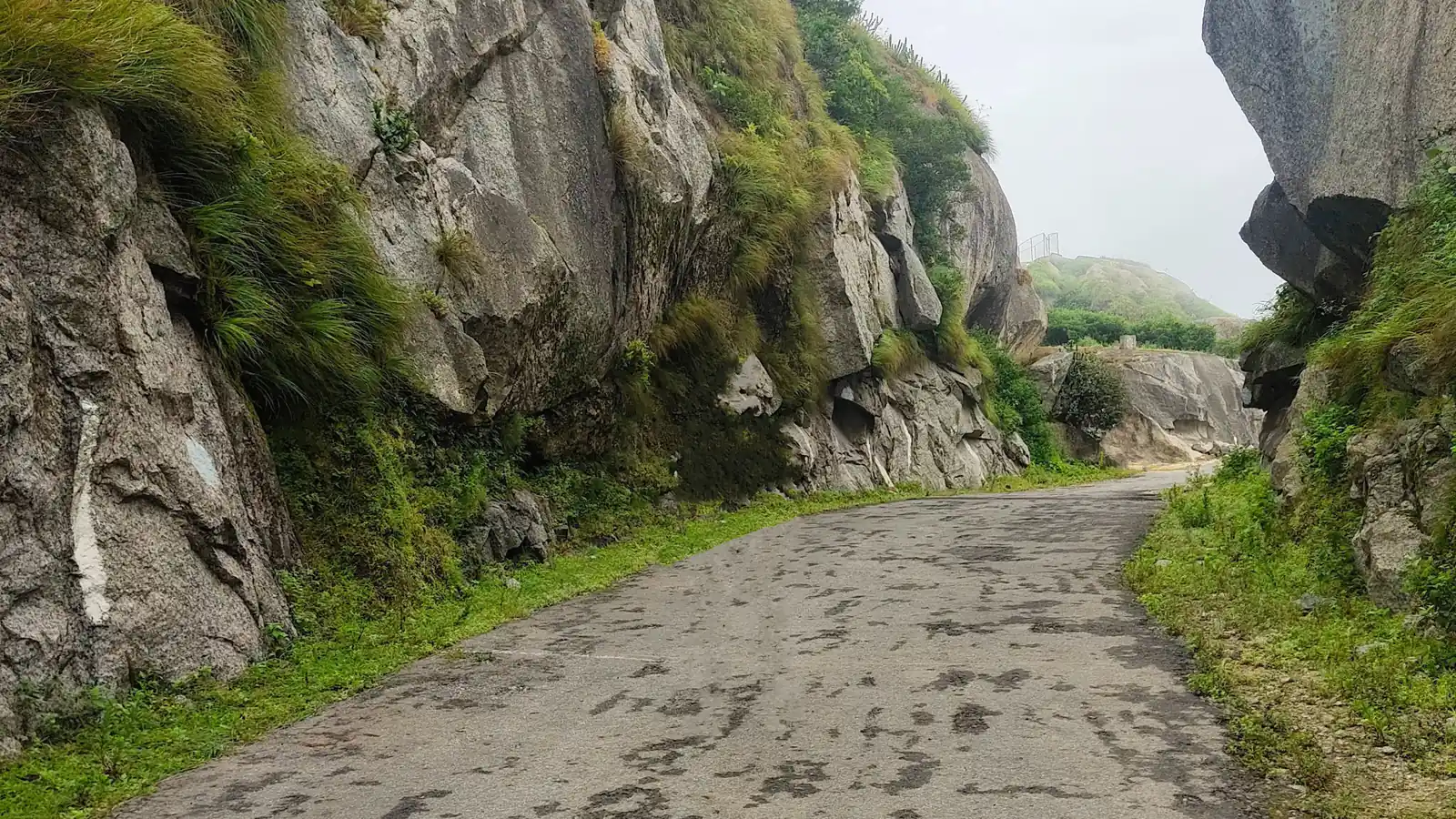
The hills in monsoon Day 3 · night in Mount Abu
The old fort, the quiet park and a slow leave-taking
Spend the last morning at Achalgarh, the hilltop fort. It was built by Paramara rulers and renovated by Maharana Kumbha in the fifteenth century, and the climb looks back across Nakki Lake and the Aravalli ridges. A cyclist who visited the Achaleshwar temple below it mentioned that parking is charged there and a small fee applies to photograph the brass Nandi, so keep a few small notes ready.
Beside the fort the Brahma Kumaris Peace Park has a rock garden, succulents, orchids and an orchard, with walking trails and shade. It is cooler and calmer than anywhere in the lake district, and a good place to be at the end of a hill holiday.
If there is energy left in the afternoon, there are two options. Trevor's Tank, a reservoir inside the wildlife sanctuary, is known for birds, and the sanctuary is home to sambar, wild boar and leopard. Or go back to the market near the lake. Plainly machine-made souvenirs are everywhere. Writers who looked beyond the big emporium say the silver bangles and local jewellery turned up in small unassuming shops in the bazaar, so look, ask and compare. Sweets sold by the lake make a fine gift for people at home.
Going down uses the same ghat road you came up on. If you are heading on towards Udaipur, the Ranakpur temples sit on the way, and one traveller recommended stopping there.
- Achalgarh fort
- Brahma Kumaris Peace Park
- Trevor's Tank
- Nakki Lake market
Pick the right month, and the right day of the week
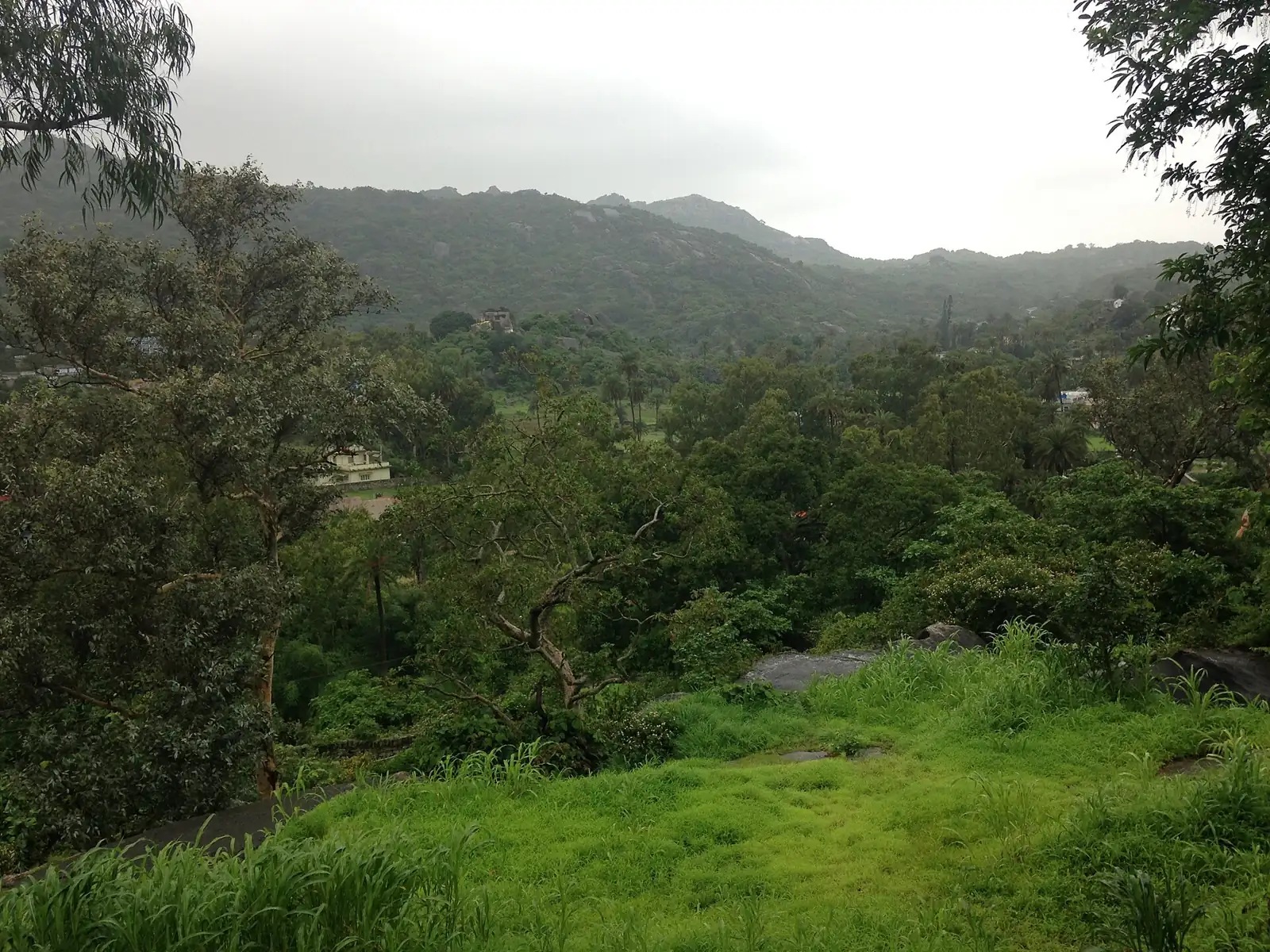
Winter is when most writers say Mount Abu is at its best: crisp mornings and clear light from the summit. Nights can be properly cold, so carry a layer even though this is Rajasthan. A pair who came in June against advice found the heat hard going even up here, while the hills in monsoon are bright green, though the views can be short.
Weekdays beat weekends by a wide margin. Weekend crowds from Gujarat fill the lake, the viewpoint trail and the bends of the Guru Shikhar road. If your dates are flexible, build the three days so that Dilwara, the busiest interior, falls on a weekday.
What people get wrong here
The most common slip is reaching Dilwara early and being turned away. Mornings belong to Jain worshippers and visitors come in from about midday, so slot the temples after Guru Shikhar rather than before.
The second is carrying a camera, a phone and a leather belt into the gate. Leave them in the car with the driver and wear a long kurta or trousers.
A third is trying to do Gau Mukh, the steep stairway down a wooded slope, on top of everything else. One walker who did the roughly seven hundred step path found it tough and lonely, with no one around, and he needed about an hour. It is for fit walkers with a free afternoon.
For older parents
Nakki Lake, Dilwara and the viewpoint road are all easy. The rough parts are the rock-cut stairs on the summit, the Arbuda Devi temple (a long climb of several hundred steps) and the walk up to the sunset viewpoint. The car can reach close to most of them, and carts are on offer at Sunset Point. Tell the driver which steps you plan to skip and let the rest of the group go up.
What the price covers
- One car and driver from your pickup to the final drop
- 6 nights in hand-picked stays
- Breakfast and dinner every day
- Local guide at the main sights
- Tolls, parking and fuel
- Lunches
- Monument tickets, permits and activity fees
- Personal shopping
Questions people ask
How many days do you really need in Mount Abu?
Two full days covers the main places. One traveller with only two days said three would have been more than enough, and the third day here is for the fort, the park and the sanctuary at an unhurried pace. If you only have one night, put Guru Shikhar first thing and Dilwara in the early afternoon.
When are the Dilwara temples open to visitors?
Visitors are generally let in from around midday until late afternoon, with the morning kept for Jain worshippers. The official page also shows a conflicting timings box, so the hour is worth confirming locally before you go. Phones, cameras and leather items are not allowed inside.
Is Mount Abu worth visiting in summer?
It is cooler than the plains around it, but a couple who went in June said they had been advised against it and felt the heat. Early morning and evening are pleasant, and the crowds peak with school holidays. October to March is the safer window.
Can we do Mount Abu from Jaipur or Agra?
Yes, but it is a long road. With Laladham the car picks you up from Delhi airport, Agra, Mathura or Jaipur and stays with you, and the long drive from your pickup city is its own travel day, kept apart from the three days here, so you arrive rested and not tired.
Is it easy to get around Mount Abu without a car?
Local taxis and rented two wheelers are the usual choices, and writers warn that prices climb on weekends and holidays and that fares should be agreed before you set off. Having the same car and driver throughout avoids that.
What should I wear and carry?
Modest clothes for the temples, a light jacket for evenings, and shoes that are easy to remove. Carry small notes for parking and tiny fees, and a bottle of water for the steps at Guru Shikhar.
- Dilwara visiting hours: the Incredible India page gives about 12 PM to 5 or 6 PM for tourists but its own timings box says 6 AM to 6 PM; confirm on the day.
- Guru Shikhar timings: the Incredible India page says 6 AM to 8 PM, older accounts say 8 AM to 6:30 PM.
- Achalgarh and Brahma Kumaris Peace Park opening hours and any parking or photography fees.
- Nakki Lake boating hours and whether boats run in heavy monsoon.
 3 days
 5 days
 5 days