Stotra · Guru
Guru Brahma Guru Vishnu गुरुर्ब्रह्मा गुरुर्विष्णुः
The verse says the teacher is Brahma who creates the learning in us, Vishnu who keeps it alive, and Maheshwara who dissolves our old ignorance.
गुरुर्ब्रह्मा गुरुर्विष्णुः गुरुर्देवो महेश्वरः ।
गुरुः साक्षात् परब्रह्म तस्मै श्रीगुरवे नमः ॥
What it means
The verse says the teacher is Brahma who creates the learning in us, Vishnu who keeps it alive, and Maheshwara who dissolves our old ignorance. Then it goes one step further and calls the guru the Supreme itself standing in front of you, and bows to that guru with full respect. It is two lines long, which is why even small children in a classroom know it by heart. The verse is traditionally placed inside the Guru Gita, a section of the Skanda Purana in which Shiva explains the guru to Parvati.
How it is sung
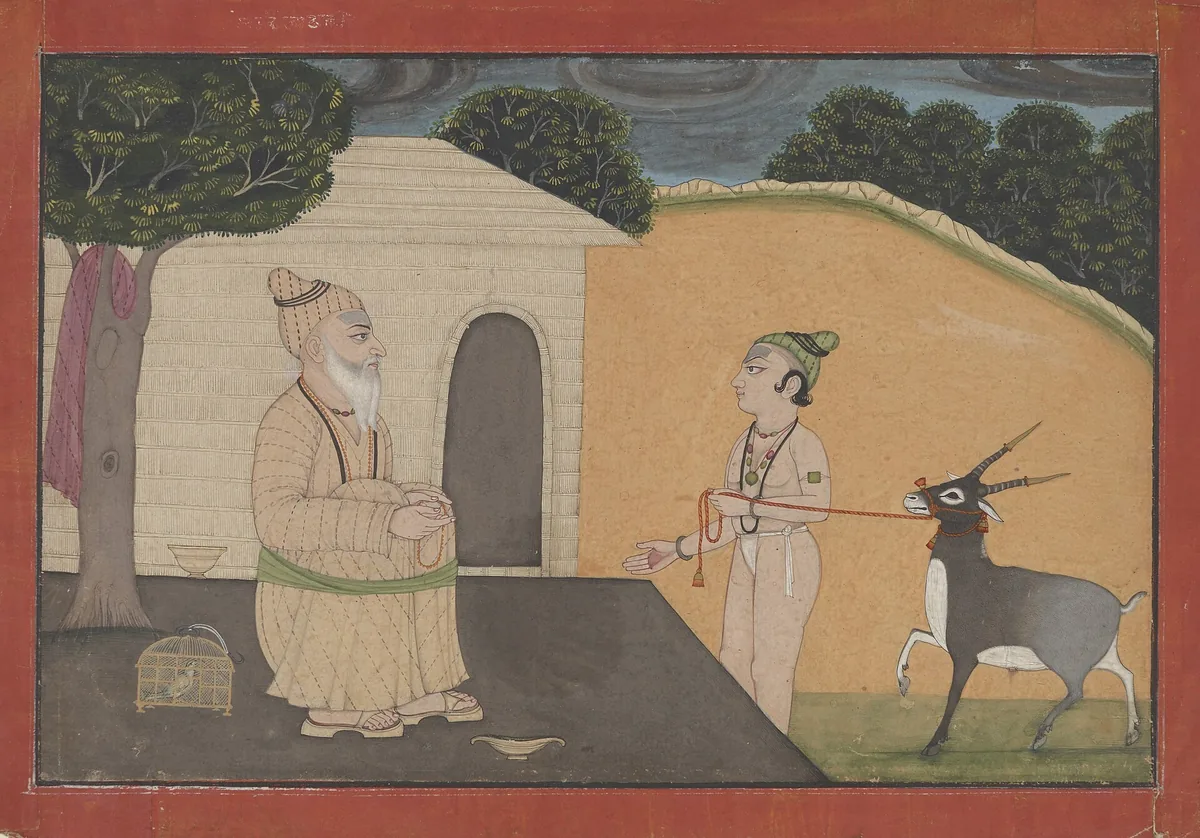
Most families say it first thing in the morning or just before a lesson begins, palms joined, and in schools it opens the day. On Guru Purnima it is chanted at the feet of the teacher or before his photograph, usually three times. Keep a slow, even chant with a small pause after Maheshwarah.
Questions, answered
Where does Gurur Brahma Gurur Vishnu come from?
It is a traditional verse found in the Guru Gita, which sits inside the Skanda Purana. No single human author is credited, so we list it as traditional.
When should I recite it?
At the start of study, in the morning, and above all on Guru Purnima. Many people also say it before sitting with a music or yoga teacher.
Does the guru have to be a spiritual teacher?
The verse is used for any teacher who gave you real knowledge. A school teacher, a parent who taught you a craft, or a spiritual guide all fit the spirit of it.